
Is High-Pressure Injection Molding Worth the Investment?
Key takeaway: High-pressure injection molding investment is justified when volume, repeatability, tooling, cycle, material, quality, and change risk support the total cost of approved parts.

Key takeaway: High-pressure injection molding investment is justified when volume, repeatability, tooling, cycle, material, quality, and change risk support the total cost of approved parts.

Key takeaway: High-pressure injection molding equipment must match clamp force, injection pressure, shot size, speed, temperature control, repeatability, mold fit, and safety to the part.

Key takeaway: High-gloss food-contact plastic parts require compliant material and process controls, suitable mold polish, clean handling, controlled molding, inspection, and traceability. Start with the

High-pressure injection molding material selection must balance strength, flow, shrinkage, temperature, chemical exposure, reinforcement, drying, and processing risk with the part design. The best resin

Extending plastic mold life requires preventive maintenance, material and process control, cooling checks, lubrication, wear monitoring, cleaning, and documented repairs. Tool life is not a
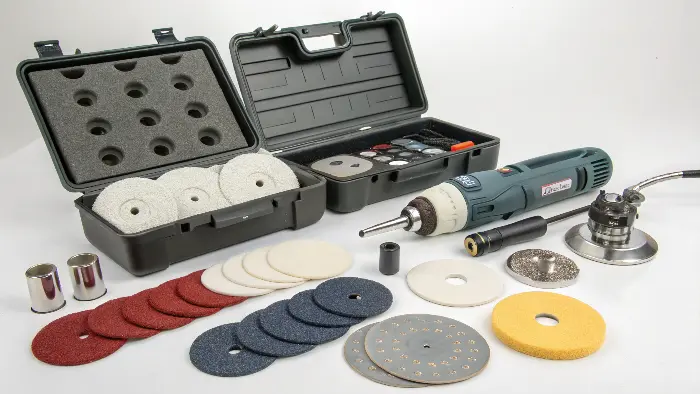
Plastic mold polishing should connect steel condition, polishing sequence, specified finish, draft, texture, inspection, and the molded part acceptance standard. A named finish does not
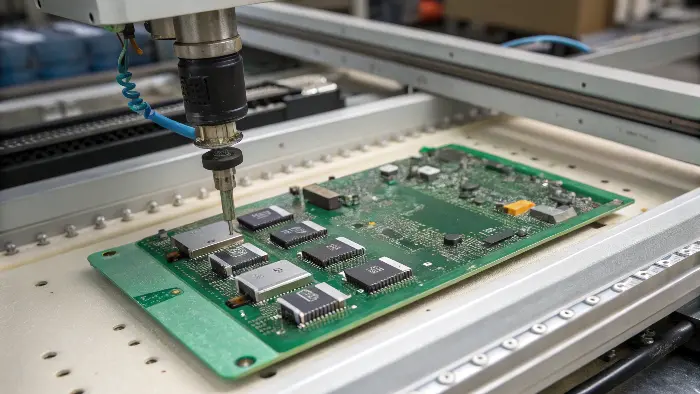
Low-pressure molding is an electronics encapsulation process that uses a moldable thermoplastic to protect assemblies while reducing the pressure and thermal exposure of conventional molding
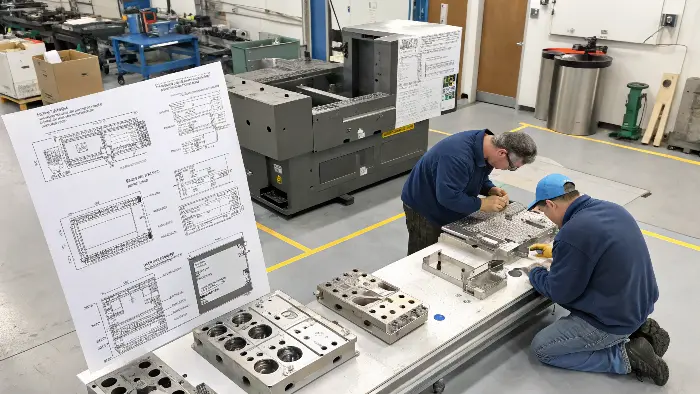
Plastic injection mold development moves from approved part data through DFM, mold design, steel, machining, fitting, trials, corrections, approval, and production handoff. A production-ready tool

Plastic injection mold selection should match part geometry, cavity count, runner system, production volume, cycle, automation, maintenance, tooling cost, and change risk. Two-plate, three-plate, family,

TPU overmolding requires a compatible substrate, a defined adhesion or mechanical-retention strategy, controlled molding, and validation of the finished interface. A soft-touch appearance does not