
Home / Export Mold Standards & Tool Ownership
Export Mold Standards and Tool Ownership Planning
An export-ready mold handoff includes more than steel and a shipping label. The buyer and supplier should agree the technical standard, documents, ownership, acceptance, packing, and support before the quotation is accepted.
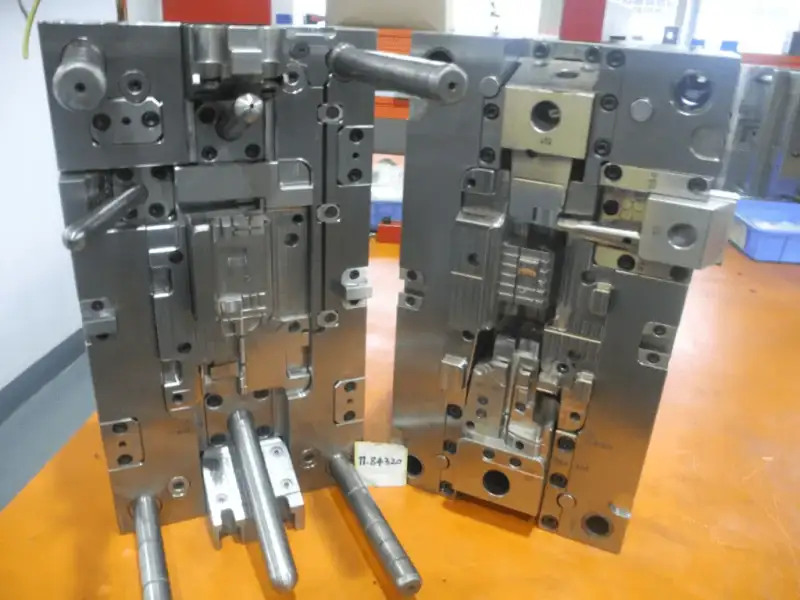
Items to agree before build
Mold standard
Confirm metric or imperial conventions, mold-base and component preferences, drawing units, thread standards, spare-part expectations, and customer or regional requirements.
Tool identification
Define mold number, revision, cavity identification, nameplate information, critical spare parts, and the document format used for future service.
Acceptance
Set design approval, steel or component evidence, T1 sample review, dimensional and appearance criteria, change approval, and release conditions.
Ownership
Write who owns the mold, where it may be used, who authorizes changes or transfer, and how storage, maintenance, and future production are handled.
Export handoff
Confirm cleaning, corrosion protection, lifting points, packing, labels, documents, shipping responsibility, destination, and delivery terms in the current quotation.
A practical export handoff
01
Align standard
Record the customer’s drawing, component, unit, document, and inspection conventions before design approval.
02
Lock scope
Separate mold, samples, spare parts, packaging, shipping, taxes, documents, and any outside process.
03
Approve
Approve DFM, mold design, steel and critical components, trial samples, and agreed modifications with revision control.
04
Document
Prepare the agreed drawings, material or heat-treatment records, inspection information, maintenance notes, and spare-part list.
05
Handoff
Protect, identify, pack, ship, and record ownership and support responsibilities for the receiving team.
Tool ownership must be a commercial term
Technical delivery cannot substitute for a written ownership agreement. The quotation or contract should address ownership of the mold, customer-supplied information, authorization for modification or relocation, storage and maintenance, sample approval, confidentiality, and what happens when production ends. Ask for the current commercial document rather than relying on a generic web statement.
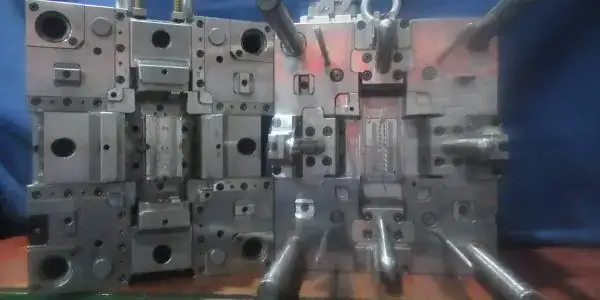
Export requirements vary by customer and destination
Some programs use a customer mold standard; others accept an agreed supplier standard. The correct choice depends on the receiving plant, maintenance team, spare-part availability, inspection system, transport route, and local requirements. Include those details in the RFQ so they can be priced and approved before construction.
Need an export-ready mold handoff?
Send the customer standard, destination, ownership expectations, approval criteria, and delivery timing with the part and mold requirements.