
Designing Injection Molds to Reduce Material Waste
Answer in one sentence: Injection molding waste reduction involves part design, runner and gate strategy, cavity layout, process stability, regrind policy, maintenance, and measured yield.
Engineering scope: This guide separates design assumptions, process controls, inspection evidence, and buyer decisions so the recommendation can be verified on the actual resin, mold, machine, and production requirement.
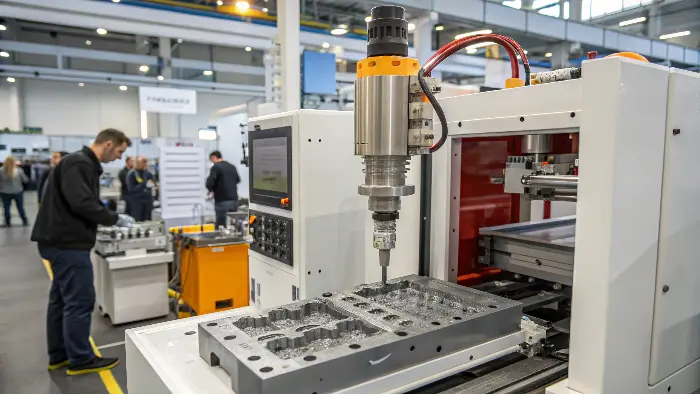
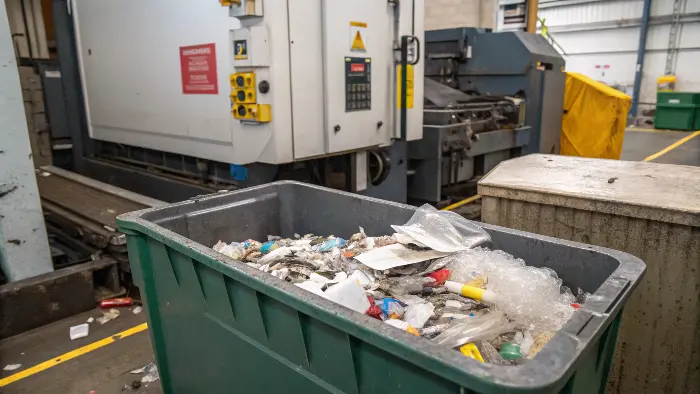
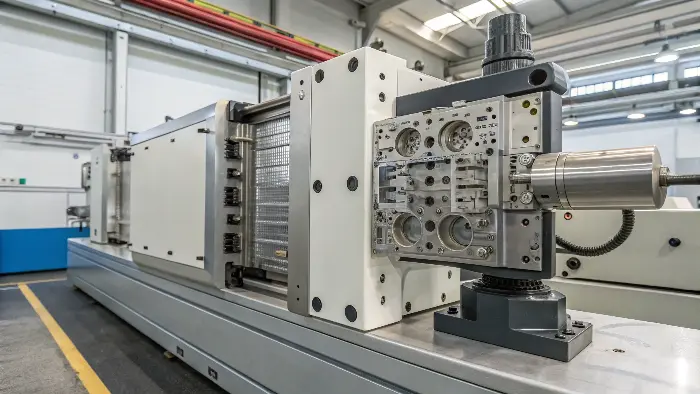
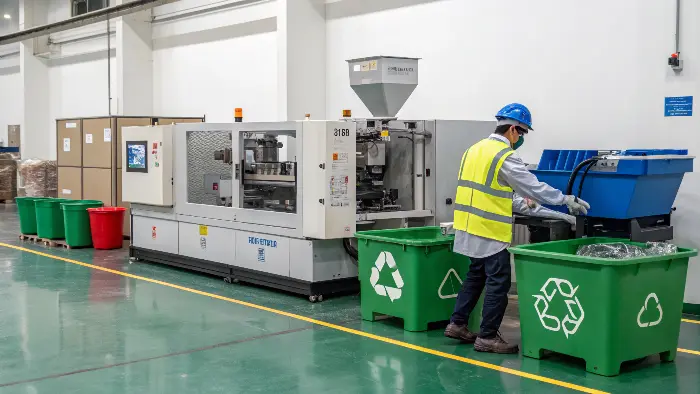
Measure waste before redesigning the tool
Separate part scrap, runner and sprue, purge material, start-up loss, rejected trial shots, trimming, packaging loss, and material that cannot be reused. Track mass per good part, first-pass yield, cavity, resin lot, and process stage; otherwise a material-saving claim may be based on incomplete accounting.
Design choices that affect yield
Uniform walls, coring, appropriate gates, balanced runners, effective vents, controlled cooling, and reliable ejection reduce defects that become scrap. Runner layout should fill cavities together without overpacking or excessive pressure loss.
Hot and cold runner systems have different material, thermal, maintenance, color-change, and cost implications. A heated system can reduce cold-runner waste in some high-volume applications, but it adds thermal control, start-up, maintenance, and changeover considerations. Choose from the full process risk, not a simple ‘zero waste’ promise.
Cavity balance and regrind controls
A balanced multi-cavity tool can improve good-part yield, but more cavities also increase the number of places where imbalance, flash, wear, or a single bad cavity can affect output. Define whether runners can be reprocessed, what contamination and property limits apply, and how regrind is identified and controlled.
Validate the improvement
Compare baseline and revised trials using the same product acceptance criteria, material lot, cycle, and accounting boundary. Report kg per good part, scrap by cause, energy or cycle impact if measured, regrind percentage, and quality results. Do not generalize a project result to every resin or tool.
Frequently Asked Questions
Is a hot runner always the lowest-waste option?
No. It can reduce cold-runner material in some applications, but thermal control, start-up, maintenance, color change, material sensitivity, and tool cost also matter.
How can part design reduce waste?
Use uniform walls, core out thick areas, avoid preventable defects, choose practical gates and vents, and design for stable ejection and inspection.
Does more cavitation always improve material efficiency?
Not always. It can improve output per cycle, but runner design, balance, rejects, maintenance, and machine fit determine actual good-part yield.
How should regrind be handled?
Define resin-specific limits, identification, contamination controls, mix ratio, property validation, and traceability with the customer and material supplier.
Related Cavity Mold Services
Engineering and DFM; Mold making; Plastic injection molding; Contact Cavity Mold.
For a drawing, resin, tolerance, finish, cavity-count, or process-window review, contact Cavity Mold.