
Sliders in High-Cavitation Injection Molds: Design Challenges and Solutions
Answer in one sentence: Sliders in high-cavitation injection molds must be coordinated for pull direction, locking, wear, cooling, venting, cavity balance, synchronization, maintenance, and inspection.
Engineering scope: This guide separates design assumptions, process controls, inspection evidence, and buyer decisions so the recommendation can be verified on the actual resin, mold, machine, and production requirement.
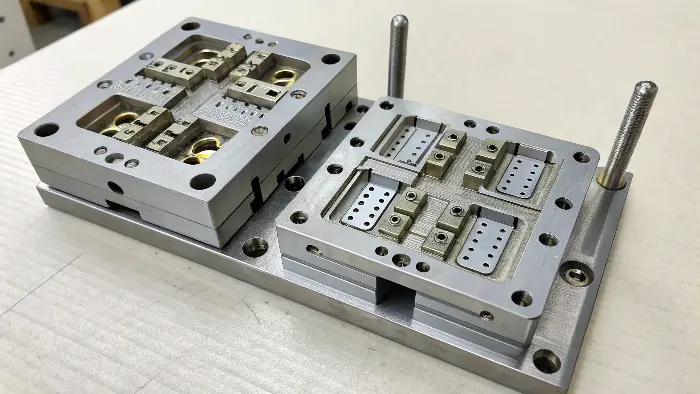
What a slider solves
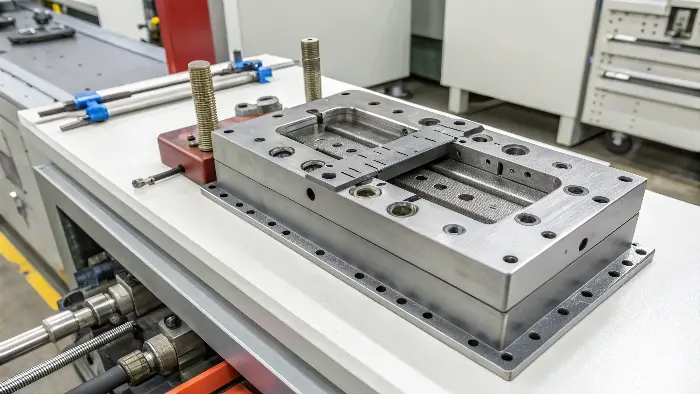
A slider or side-action forms an undercut or side-facing feature that cannot release in a simple straight-pull mold. It moves into position for filling and withdraws before ejection. The pull direction must be compatible with the mold opening, draft, parting line, and the feature being formed.
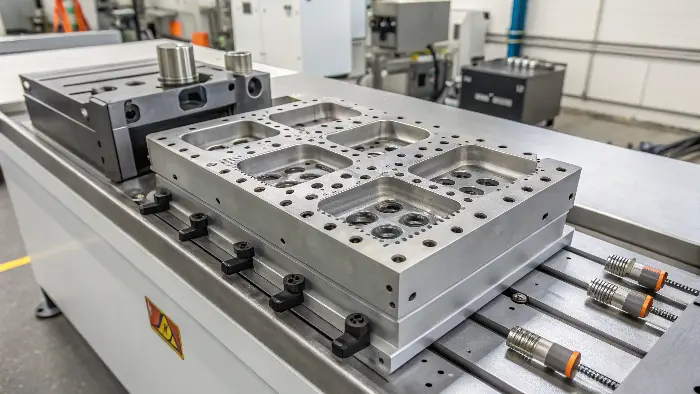
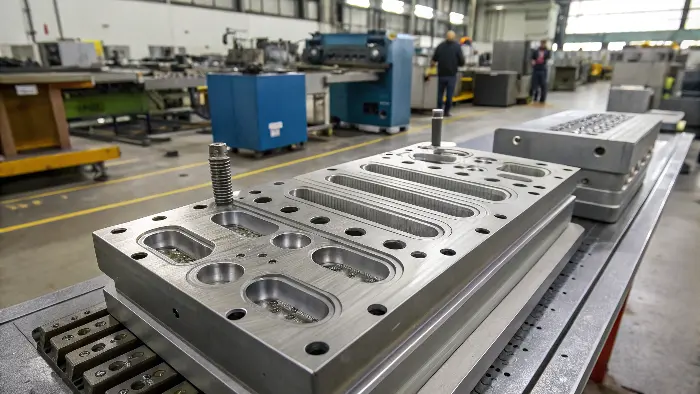
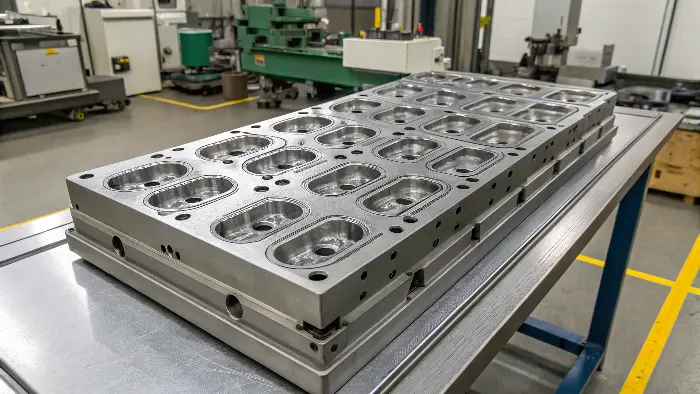
In a high-cavitation tool, the same mechanism is repeated many times. A slider design that works in one cavity still needs consistent motion, locking, wear control, thermal behavior, and maintenance access across every cavity.
High-cavitation design risks
The main risks include unbalanced filling, slider timing or travel variation, inadequate mechanical locking, flash at shutoffs, galling, lubrication or contamination, trapped air, poor cooling, and difficult access for inspection. Added moving steel can also reduce the space available for runners, cooling channels, and ejectors.
Review slider geometry with cavity layout and feed-system balance together. Do not place cavities first and attempt to fit side-actions afterward; the mechanism, cooling, gates, and service strategy are coupled.
Practical solutions
Use consistent datums and modular wear components, provide positive support and locking, allow for thermal expansion, vent trapped areas, and define inspection points for travel, shutoff, flash, and wear. Where feasible, evaluate reorientation, draft, a shutoff, lifter, or a hand-loaded insert as an alternative to a full slider.
- Map slider travel, clearance, draft, and interference in the opening sequence.
- Check cavity-to-cavity fill and pressure balance with the actual runner and gate layout.
- Design access for cleaning, lubrication, wear-part replacement, and cavity-specific measurement.
Validation and maintenance
Trial all cavities and all slider positions under production-representative temperature, cycle, and material conditions. Record flash, feature dimensions, ejection force, slider motion, cycle repeatability, and maintenance findings. A high-cavitation slider tool needs a planned wear and spare-parts strategy before release.
Frequently Asked Questions
Why are sliders difficult in high-cavitation molds?
They multiply moving mechanisms and introduce balance, timing, locking, wear, cooling, venting, access, and maintenance risks across many cavities.
Can a slider be avoided?
Sometimes. Reorienting the part, adding draft, using a shutoff, lifter, pick-out, or insert may reduce complexity, but each option must be checked for function and production handling.
What causes flash around a slider?
Insufficient locking, wear, misalignment, thermal movement, debris, inadequate support, or excessive local pressure can create a shutoff gap and flash.
What should be inspected during a slider trial?
Check slider travel and locking, cavity balance, flash, feature dimensions, venting, ejection, cycle repeatability, lubrication, wear, and access for maintenance.
Related Cavity Mold Services
Engineering and DFM; Mold making; Plastic injection molding; Contact Cavity Mold.
For a drawing, resin, tolerance, finish, cavity-count, or process-window review, contact Cavity Mold.