
Thin-Wall Injection Molding: Cost, Value, and Design Trade-offs
Answer in one sentence: Thin-wall injection molding is worthwhile only when material, cycle, packaging, performance, tooling, scrap risk, and total program cost support the business case.
Engineering scope: This guide separates design assumptions, process controls, inspection evidence, and buyer decisions so the recommendation can be verified on the actual resin, mold, machine, and production requirement.
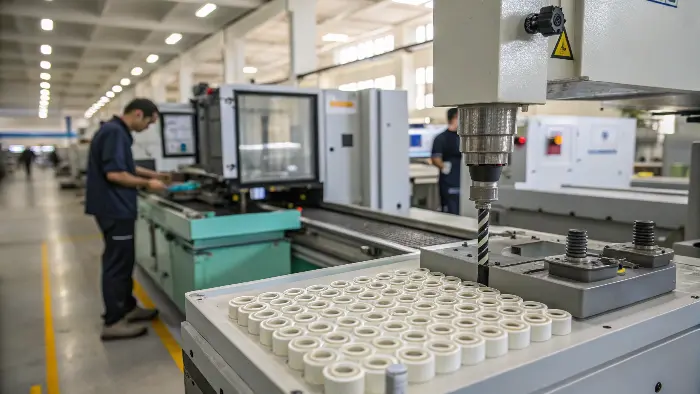
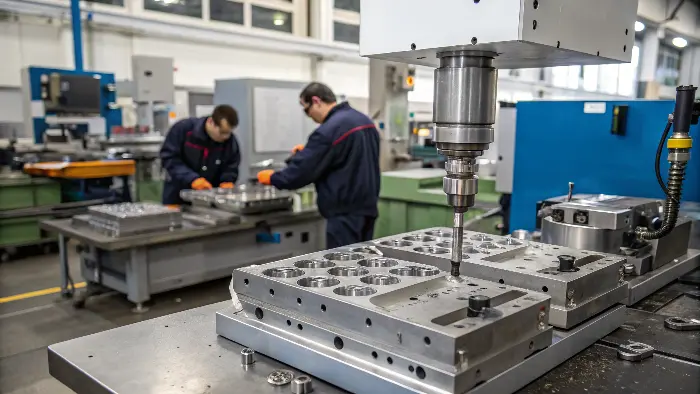
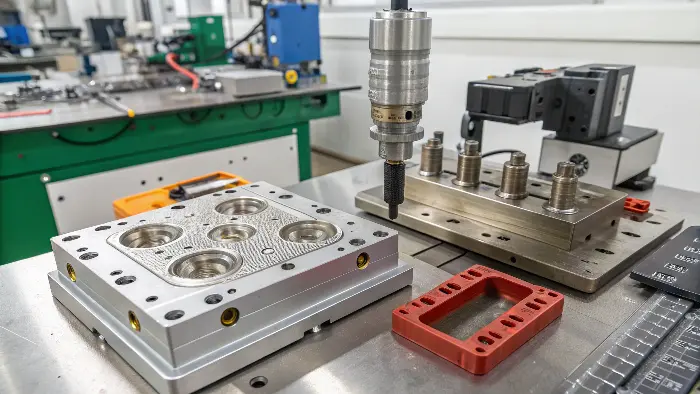
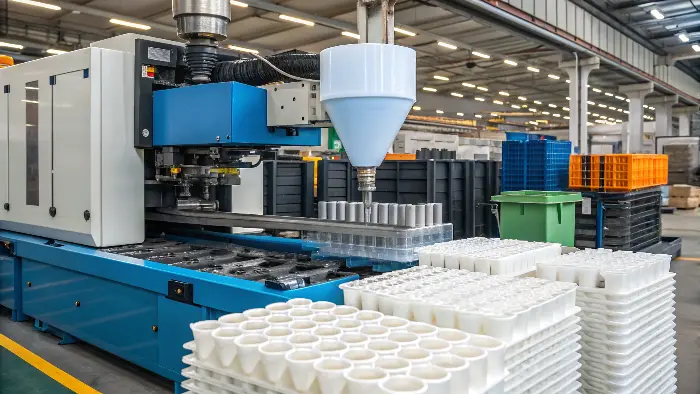
Thin-wall is a system decision, not a thickness target
Reducing wall thickness can lower part mass, shorten cooling, improve packing efficiency, or support a compact design. It can also narrow the fill window, raise pressure, increase cosmetic sensitivity, require more capable tooling, and shift risk into scrap, validation, or assembly.
The right question is not ‘how thin can the tool make it?’ but ‘what thickness and process window meet function at the lowest controlled total cost?’
Build a total-cost model
Include resin per part, runner and purge waste, cycle time, machine size, tool complexity, steel and cooling, automation, scrap and rework, inspection, packaging, assembly, maintenance, and expected changes. A material saving can be erased by a higher reject rate or a more expensive tool.
Model several thickness and gate options with the same demand and acceptance criteria. Use sensitivity checks for volume, resin price, scrap, cycle, and tool life instead of relying on a single optimistic estimate.
Engineering trade-offs
Thin walls may require higher fill speed, optimized gates, better vents, compatible flow behavior, and stable thermal control. Ribs, radii, coring, draft, and local thick-to-thin transitions must preserve stiffness and ejection. The tool and machine need enough pressure, speed, cooling, and control authority.
Decision gates before committing
A responsible feasibility review should include flow analysis when appropriate, a moldability review, material confirmation, a representative trial plan, and a cost model with scrap and quality risk. Treat any quoted thickness as a starting design assumption that must be validated on the final geometry.
Frequently Asked Questions
Does thinner always mean cheaper?
No. It may reduce material or cooling, but it can increase tooling, machine, process, inspection, scrap, and development costs.
When is thin-wall molding attractive?
When the required function and flow length can be achieved with a stable process, and the savings in material, cycle, packaging, or product size justify the added risk and tooling effort.
What should be compared in a thin-wall quote?
Compare part mass, cycle, machine fit, gate and vent strategy, tool complexity, expected scrap, inspection, validation, maintenance, and total program cost.
Can a thin-wall prototype predict production cost?
Only partially. Production cavity balance, tool cooling, automation, material lots, and validation requirements can change the economics.
Related Cavity Mold Services
Engineering and DFM; Mold making; Plastic injection molding; Contact Cavity Mold.
For a drawing, resin, tolerance, finish, cavity-count, or process-window review, contact Cavity Mold.