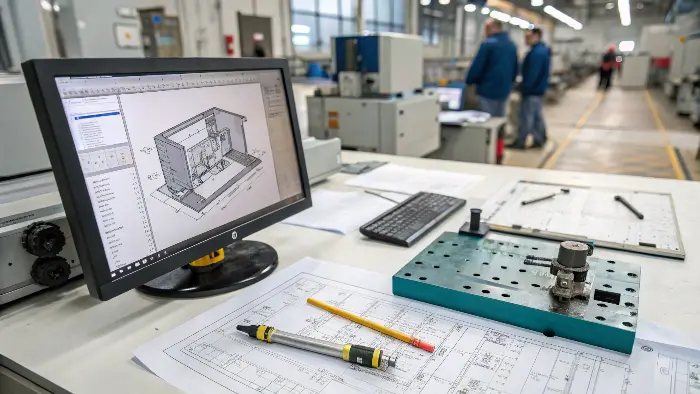
How to Design Plastic Parts for Injection Molding
How to Design Plastic Parts for Injection Molding Answer in one sentence: Good injection molded part design balances function, material, wall thickness, draft, radii, ribs

How to Design Plastic Parts for Injection Molding Answer in one sentence: Good injection molded part design balances function, material, wall thickness, draft, radii, ribs
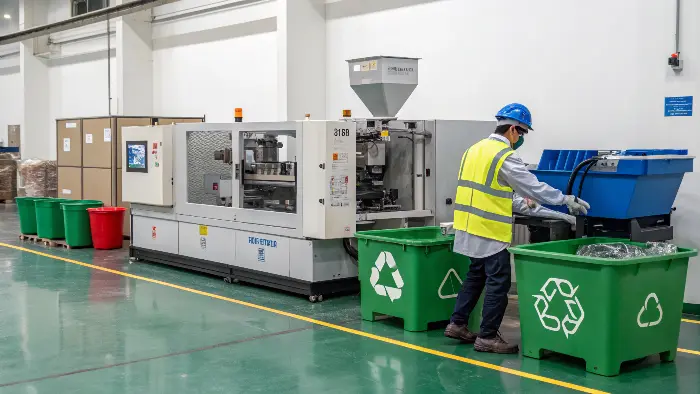
Designing Injection Molds to Reduce Material Waste Answer in one sentence: Injection molding waste reduction involves part design, runner and gate strategy, cavity layout, process
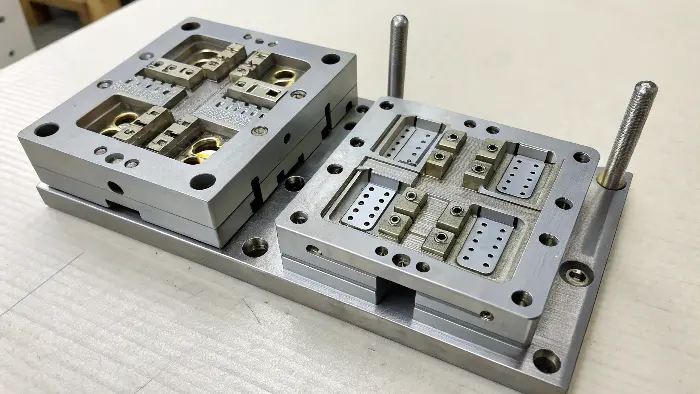
Sliders in High-Cavitation Injection Molds: Design Challenges and Solutions Answer in one sentence: Sliders in high-cavitation injection molds must be coordinated for pull direction, locking,
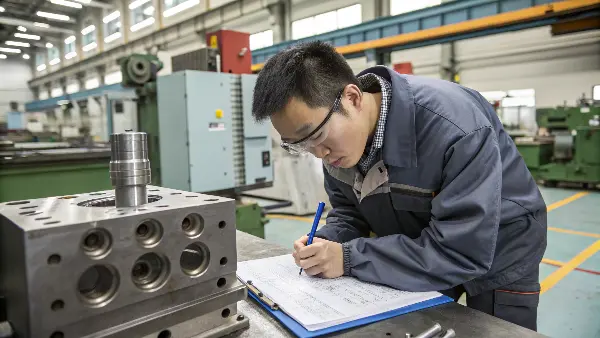
Key takeaway: Core and cavity design affects mold performance through balance, parting, steel support, cooling, venting, ejection, maintenance access, and validation. Balance the mold around
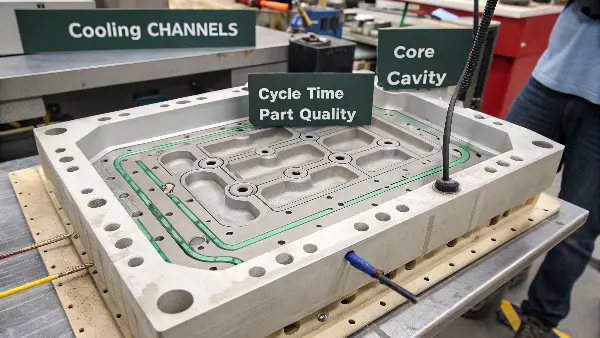
Key takeaway: Core and cavity design starts with parting direction, draft, shutoffs, slides, cooling, ejection, steel, inspection, and a controlled correction plan. Set parting direction

Key takeaway: High-gloss food-contact plastic parts require compliant material and process controls, suitable mold polish, clean handling, controlled molding, inspection, and traceability. Start with the

Slider mold design should begin with the undercut, release direction, draft, parting strategy, shutoffs, stroke, wear, ejection, and a comparison with simpler alternatives. A slider