
Core and Cavity Design Fundamentals for Injection Molds
Key takeaway: Core and cavity design starts with parting direction, draft, shutoffs, slides, cooling, ejection, steel, inspection, and a controlled correction plan.
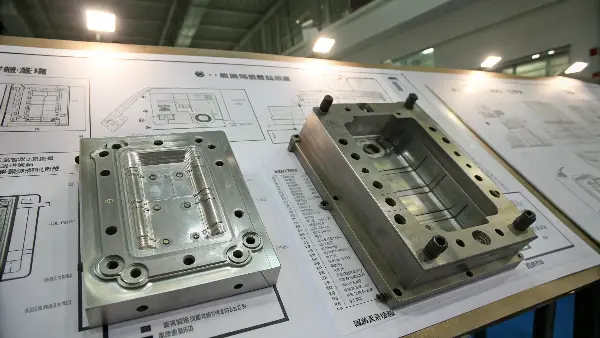

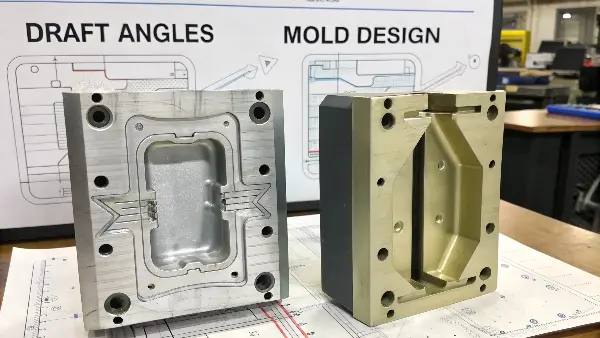
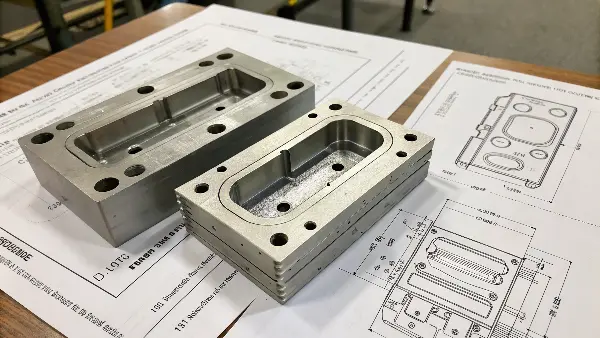
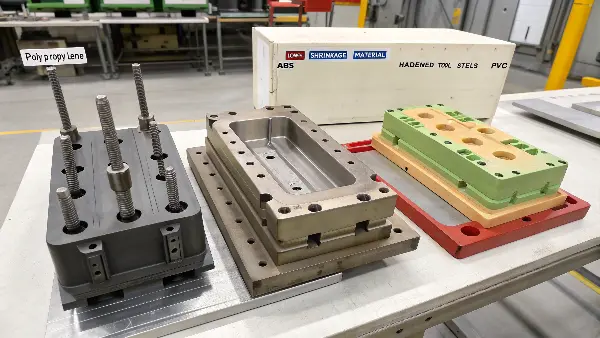
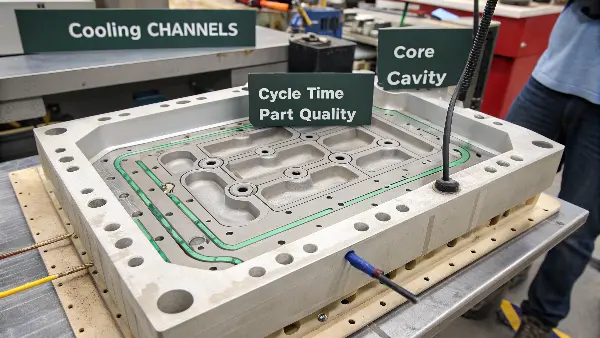
Set parting direction before detailing
Core and cavity design begins by understanding the parting direction, shutoff surfaces, draft, undercuts, cosmetic surfaces, and the intended ejection direction. Autodesk’s core-and-cavity workflows similarly treat surface orientation, parting surfaces, and the split into mold components as foundational operations.
Resolve the parting strategy with the product team before adding slides, lifters, inserts, or cosmetic assumptions. A late parting change can move gates, vents, cooling, steel-safe areas, and inspection datums.
- Mark pull direction and draft on the model.
- Identify undercuts and decide whether to redesign or add actions.
- Protect critical cosmetic and sealing surfaces.
Design support around molding physics
The split should leave enough steel for strength, cooling, ejection, venting, machining, polishing, maintenance, and correction. Ribs, bosses, deep pockets, shutoffs, and thin features need access and inspection plans, not only a visual CAD solution.
Review filling and cooling early because the core and cavity are the surfaces that define flow, heat transfer, shrinkage, and part release. Use inserts or replaceable steel where the risk and maintenance plan justify them.
- Check steel thickness and deformation risk.
- Plan cooling and vent access around the actual geometry.
- Use datums and inspection points that can be reached after assembly.
Plan validation and correction
A robust design includes measurement of the steel and the molded part, a first-trial plan, steel-safe correction strategy, and clear responsibility for changes. Keep the model, drawings, mold data, and approved samples aligned so the tool can be maintained without losing design intent.
- Define core/cavity inspection before assembly.
- Record correction limits and approval gates.
- Link tool revisions to part and process revisions.
Frequently Asked Questions
What should be decided first in core and cavity design?
Parting direction, draft, shutoffs, undercuts, cosmetic surfaces, ejection direction, and inspection datums should be resolved before detailed mold components.
Why do core and cavity decisions affect quality?
They control parting, flow, cooling, ejection, steel support, venting, and the ability to inspect or correct the tool.
When are inserts useful?
They can improve access, maintenance, cooling, or correction when the geometry and lifecycle plan justify them; they are not a substitute for a sound split strategy.
Need a part-specific review? Share the 3D model, resin or grade, annual volume, finish requirement, tolerance concerns, and target launch date through our contact page. We can then align DFM, mold design, process, inspection, and delivery assumptions.
Sources and further reading
- Autodesk Inventor: Core and cavity feature
- Autodesk Fusion: Core and cavity
- Protolabs: Designing for moldability with complex features
Related Cavity Mold Services
For a connected review of design, tooling, molding, and launch requirements, see our engineering service, mold-making service, injection molding service, or contact our team.