
High-Pressure Injection Molding: Process and Quality Controls
Key takeaway: High-pressure injection molding quality depends on material preparation, DFM, mold design, machine selection, filling, packing, cooling, inspection, and traceability.
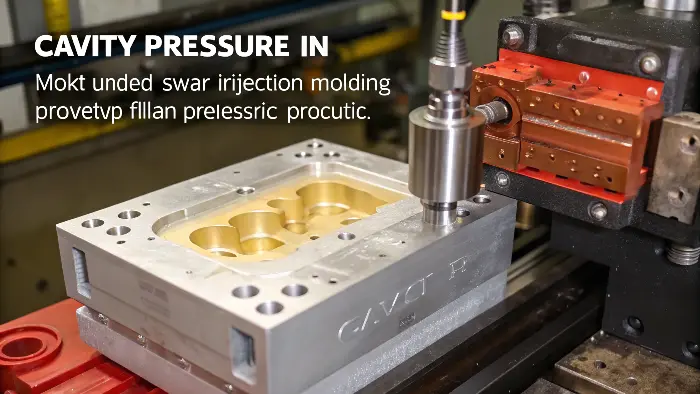
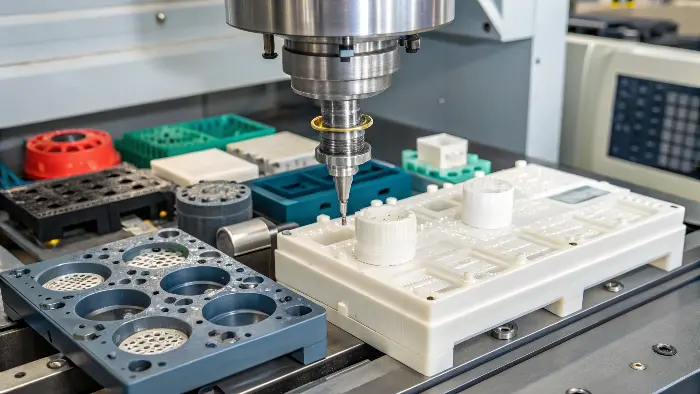

Design the process around the part
High pressure is a process condition, not a quality guarantee. Begin with resin, part geometry, projected area, wall variation, gates, vents, cooling, ejection, tolerances, appearance, and end-use loads. Use DFM and flow analysis where they reduce uncertainty before steel is committed.
The machine must have a usable range for the actual shot, fill rate, clamp force, temperature control, mold fit, and monitoring plan. A nominal specification without a part-specific validation plan is weak evidence.
- Identify critical-to-quality characteristics.
- Map gates, vents, weld lines, cooling, and ejection risks.
- Confirm machine and mold fit from actual dimensions.
Control filling, packing, and cooling
Record the speed and pressure profile, transfer point, cushion, melt and mold temperatures, pack or hold strategy, cooling time, and cycle. Track part weight, dimensions, appearance, and cavity balance against the approved window. If a defect changes with material lot or cavity, treat that as evidence rather than only adjusting pressure.
Material drying, handling, and lot traceability are part of the process. Any regrind, color, insert, or supplier change should follow an agreed review and approval route.
- Use setup sheets and alarm or trend data.
- Keep process and inspection records linked to the same revision.
- Define reaction plans for drift, flash, short shot, warp, and appearance changes.
Release with repeatable evidence
First-article approval, capability studies where required, measurement-system checks, and production audits should prove that the process can make conforming parts repeatedly. The release package should identify the tool, resin grade, settings, inspection method, samples, deviations, and responsible approvers.
- Review both nominal results and process variation.
- Protect the approved baseline through change control.
- Use periodic mold and equipment maintenance reviews.
Frequently Asked Questions
Does high pressure alone make a process stable?
No. Stability depends on material, design, mold, machine, process control, cooling, inspection, and traceability working together.
What process data should be recorded?
At minimum, record material and setup revision, speed and pressure profile, temperatures, transfer and cushion, cooling, cycle, weight, dimensions, appearance, and alarms relevant to the part.
When is a process ready for production?
After representative samples meet the agreed functional, dimensional, cosmetic, and documentation criteria across a repeatable approved window.
Need a part-specific review? Share the 3D model, resin or grade, annual volume, finish requirement, tolerance concerns, and target launch date through our contact page. We can then align DFM, mold design, process, inspection, and delivery assumptions.
Sources and further reading
- Protolabs: Injection molding guide
- Protolabs: Injection molding quality
- Autodesk Moldflow: Clamp force
Related Cavity Mold Services
For a connected review of design, tooling, molding, and launch requirements, see our engineering service, mold-making service, injection molding service, or contact our team.