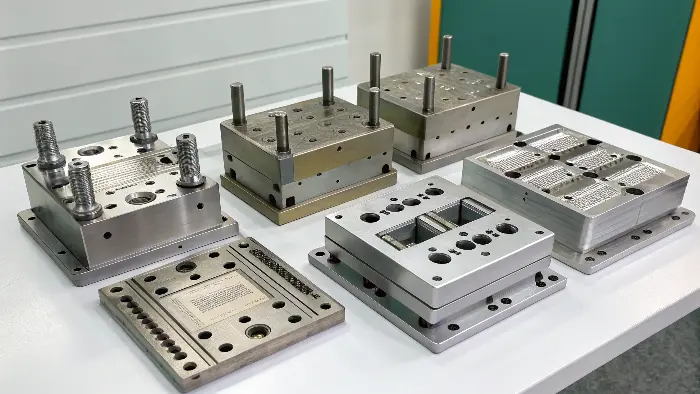
PET Preform Injection Molds: Design and Process Basics
Key takeaway: PET preform injection molds must coordinate neck finish, gate, wall distribution, cooling, cavity balance, PET drying, cycle, clarity, inspection, and downstream blowing. What

Key takeaway: PET preform injection molds must coordinate neck finish, gate, wall distribution, cooling, cavity balance, PET drying, cycle, clarity, inspection, and downstream blowing. What
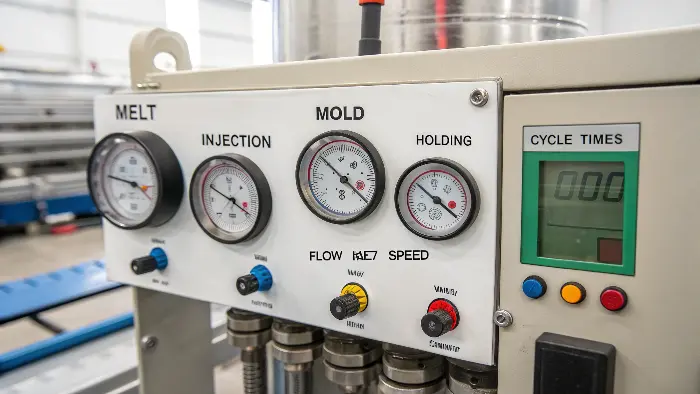
Key takeaway: The key points of injection molding are part design, material, tooling, gates, vents, cooling, machine fit, process windows, inspection, and change control. Design
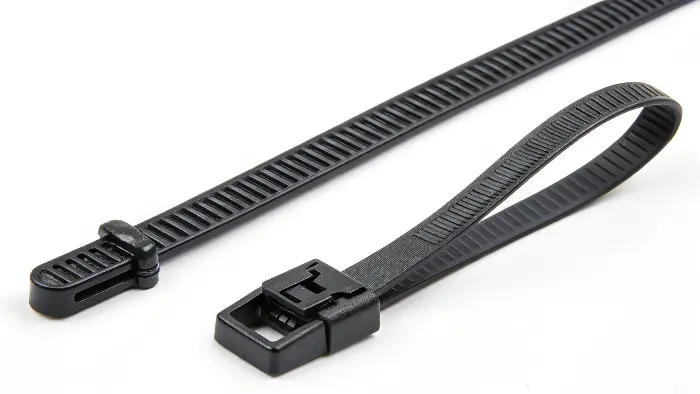
Key takeaway: Cable tie mold material selection should consider resin shrinkage, wear, corrosion, cycle, cavity count, surface finish, maintenance, and expected production life. There is
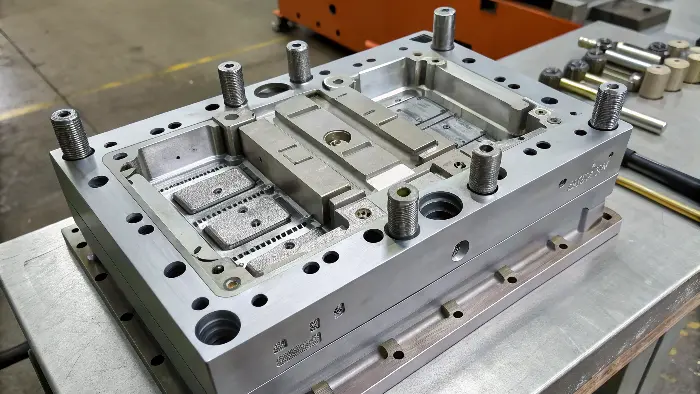
Key takeaway: The seven basic injection molding components are material, mold, injection unit, clamping unit, temperature control, ejection, and inspection/process control. A practical seven-part framework
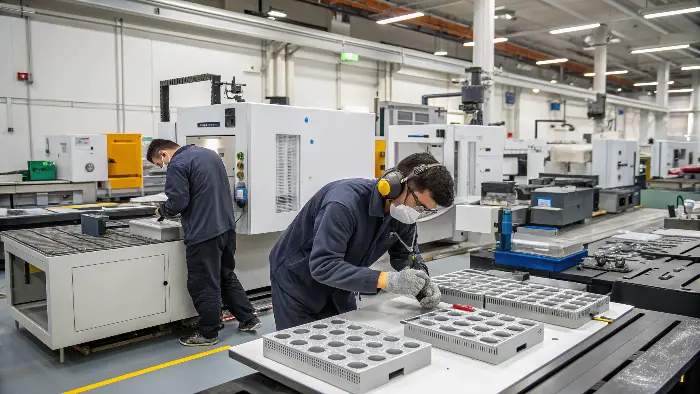
Key takeaway: Sourcing injection molding parts from China requires clear drawings, DFM, material evidence, mold ownership, inspection, logistics, payment, and contingency planning. Prepare a specification
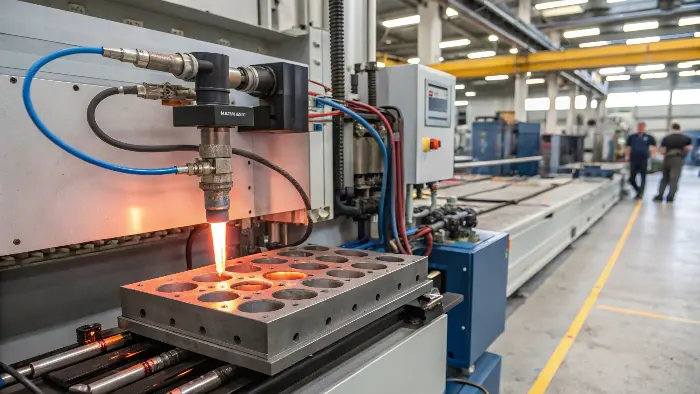
Key takeaway: Injection mold temperature settings should be analyzed through resin data, filling, cooling, cycle, warpage, surface quality, start-up stability, sensors, and production trials. Temperature
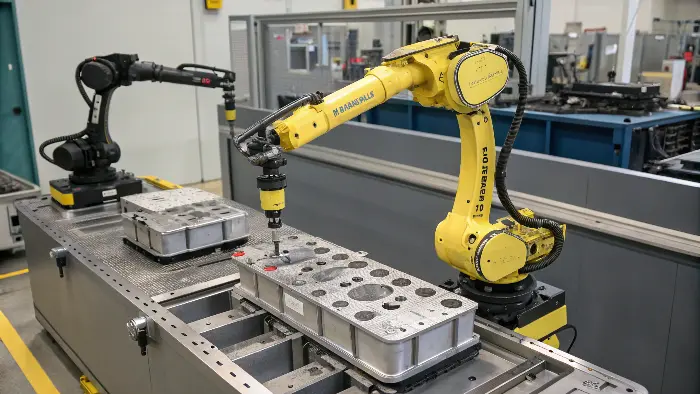
Key takeaway: 3D inspection for complex injection molds and parts compares CAD with measured geometry to support tool correction, first-article approval, wear control, and production
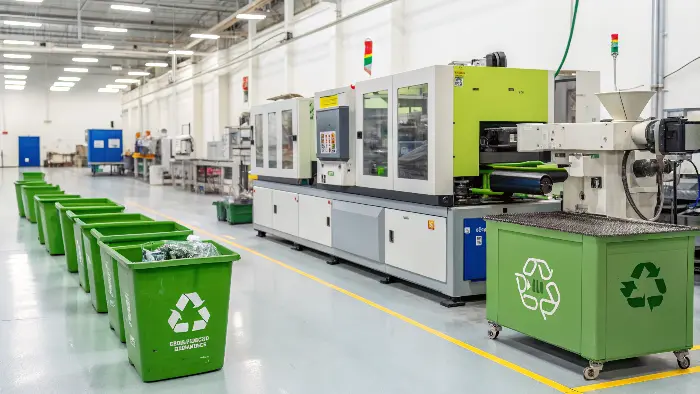
Key takeaway: High-quality injection molded parts come from coordinated DFM, material control, mold design, machine fit, process windows, inspection, traceability, and maintenance. Quality starts before

Key takeaway: Mold flow analysis helps product design teams review filling, packing, cooling, warpage, weld lines, air traps, gates, materials, and process windows before tooling.
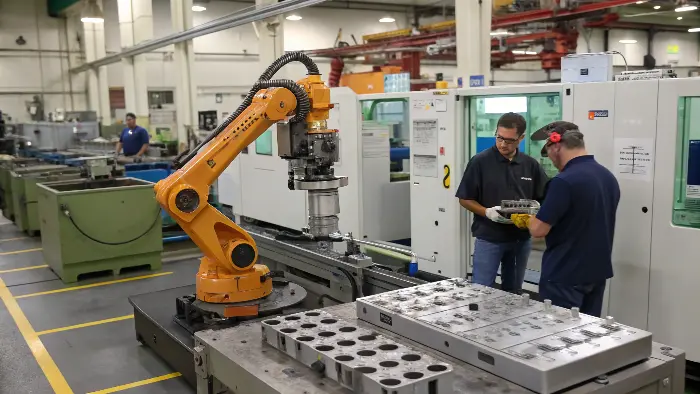
Key takeaway: Automated insert molding should be evaluated through loading repeatability, part presentation, cycle time, vision, safety, changeover, inspection, maintenance, and measured ROI. Start with