
Cable Tie Mold Materials: What to Evaluate
Key takeaway: Cable tie mold material selection should consider resin shrinkage, wear, corrosion, cycle, cavity count, surface finish, maintenance, and expected production life.
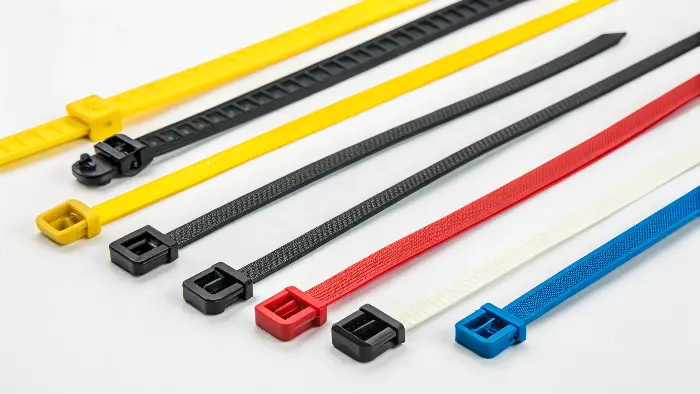
There is no single best steel for every cable tie mold
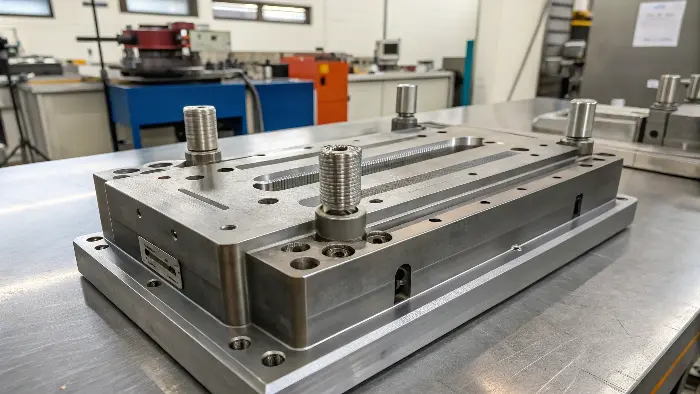
Cable tie molds can face high cavity counts, tight small features, repeated ejection, abrasive or glass-filled resins, corrosion risk, polishing requirements, and demanding cycle targets. Material selection should follow the resin, geometry, expected shots, maintenance plan, and quality risk—not a generic grade name.
Material-selection criteria
Review hardness and toughness, wear resistance, corrosion resistance, machinability, polishability, heat treatment, dimensional stability, repairability, and availability. Match the decision to the cavity count and expected production life; an insert or replaceable wear component may be more practical than applying one material everywhere.
Also evaluate the plastic: shrinkage, glass or mineral reinforcement, flame retardants, moisture, processing temperature, and release behavior affect wear and corrosion. Surface finish and draft must be achievable without compromising the small locking features.
Design for maintenance and inspection
Specify critical dimensions, flash limits, gate vestige, cosmetic zones, cavity identification, spare inserts, inspection frequency, and cleaning or corrosion controls. Confirm the chosen material and treatment with the toolmaker and document the rationale for future repair.
Frequently Asked Questions
What mold material is best for cable tie molds?
It depends on resin, reinforcement, cavity count, cycle, expected production life, surface finish, corrosion, maintenance, and budget. A single universal recommendation is not reliable.
Does glass-filled resin change mold material selection?
Yes. Abrasive reinforcement can increase wear, so hardness, wear resistance, replaceability, and maintenance should be reviewed together.
What should be specified besides the steel grade?
Specify heat treatment, critical inserts, surface finish, tolerances, inspection, expected life, spare parts, maintenance, and the resin and process conditions.
Related Cavity Mold Services
Engineering and DFM; Mold making; Plastic injection molding; Contact Cavity Mold.
Have a drawing, resin, finish, volume, or quality requirement to review? Contact Cavity Mold for a project discussion.