
How to Source Injection Molding Parts from China
Key takeaway: Sourcing injection molding parts from China requires clear drawings, DFM, material evidence, mold ownership, inspection, logistics, payment, and contingency planning.
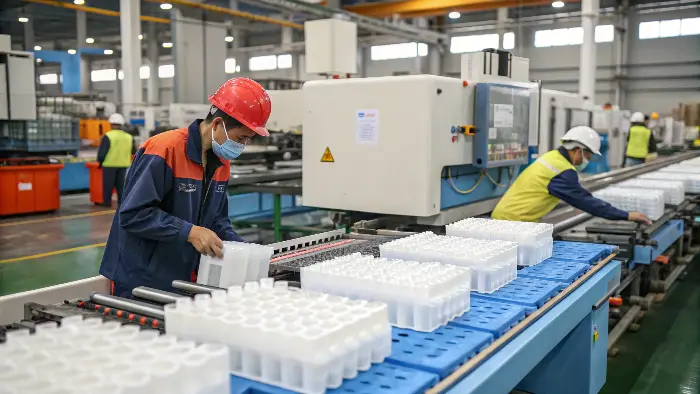
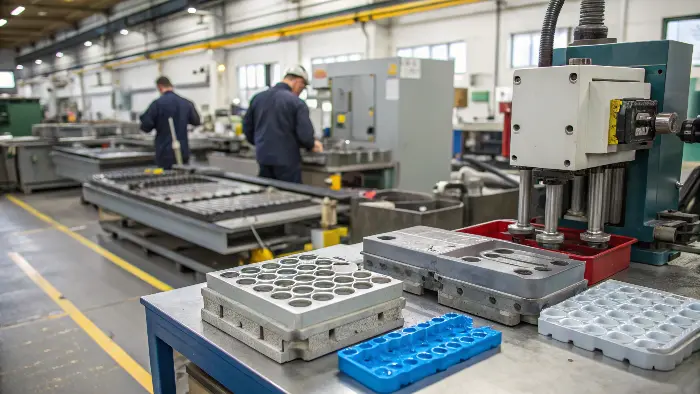
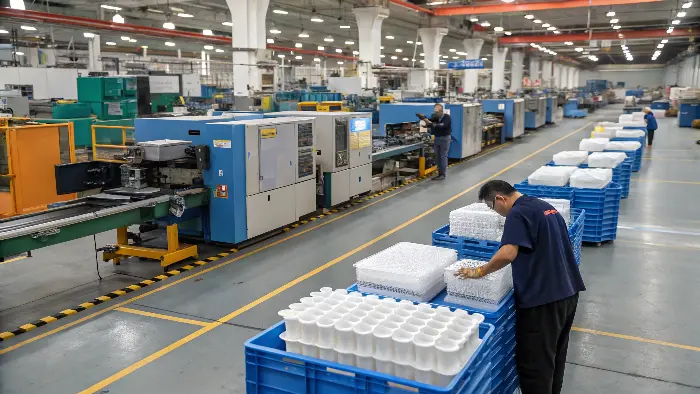
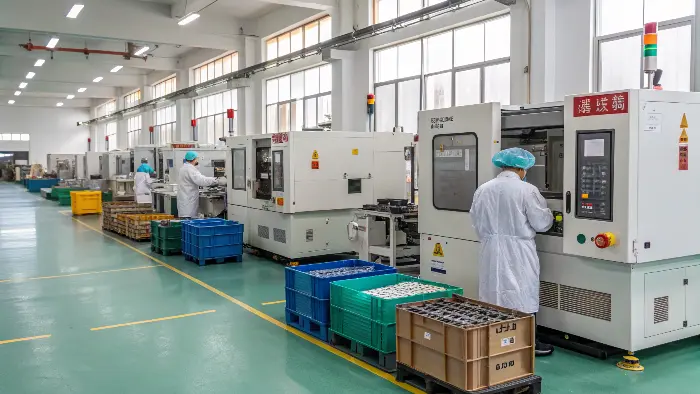
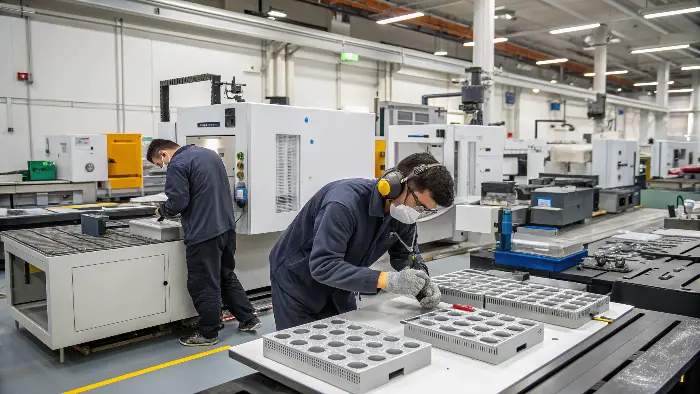
Prepare a specification that can be quoted
A useful RFQ includes 3D CAD, 2D drawings, revision level, resin and grade, annual and order volume, target cycle or cavity assumptions where known, critical dimensions, cosmetic standard, packaging, inspection requirements, delivery terms, and the intended production market.
Define what is included in tooling: design review, DFM, mold material, cavity count, spare inserts, trial shots, measurement reports, ownership, storage, maintenance, and end-of-life handling. Clear boundaries reduce later disputes.
Evaluate the supplier’s process and evidence
Ask how the supplier handles DFM, material traceability, mold build records, first-article inspection, process approval, nonconformance, change control, maintenance, and corrective action. Review actual sample reports and inspect representative parts when possible.
Do not select on piece price alone. Compare total landed cost, tool risk, communication, lead time, inspection, packaging, logistics, payment terms, intellectual-property controls, and the cost of a late or failed tool.
Plan trials, logistics, and contingency
Use staged approvals: DFM, tool design, first trial, dimensional and functional review, process capability where required, pilot production, and shipment release. Agree who can approve changes and how samples are retained.
Plan freight, customs documents, packaging, buffer stock, spare parts, maintenance, and a response to material, tooling, quality, or transport disruption. Contingency is part of sourcing, not an afterthought.
Frequently Asked Questions
What should a China injection molding RFQ contain?
Include revised CAD and drawings, resin and grade, volume, critical characteristics, cosmetic standard, packaging, inspection, delivery, tooling scope, ownership, and approval milestones.
How can I protect mold ownership?
Put ownership, access, storage, maintenance, transfer, permitted use, and end-of-life responsibilities in the written tooling agreement, then retain identifying records.
How should supplier quality be verified?
Review DFM, material and lot controls, mold records, trial reports, inspection, nonconformance, change control, traceability, and a representative production sample.
Related Cavity Mold Services
Engineering and DFM; Mold making; Plastic injection molding; Contact Cavity Mold.
Have a drawing, resin, finish, volume, or quality requirement to review? Contact Cavity Mold for a project discussion.