
Are you struggling to find strong materials that also protect our earth? Virgin plastics cost a lot and hurt the environment. Recycled nylon is a great fix. It gives you the strength you need while cutting down on waste.
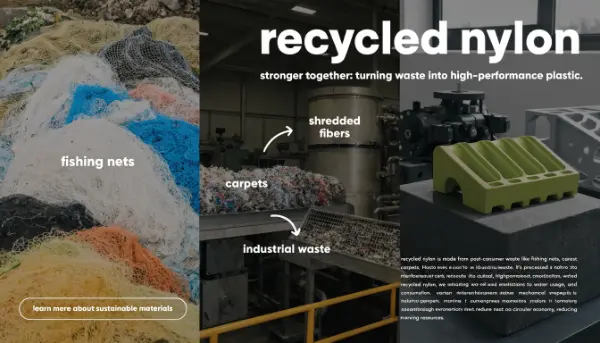
Recycled nylon is a strong, eco-friendly plastic made from old fishing nets, carpets, and industrial waste. It cuts greenhouse gas emissions and uses less water and oil. It works just like new nylon. You get a tough material for your parts while helping to build a clean circular economy.
You might think that recycled plastic is weak or hard to use. But I have seen many project managers switch to it and win big. Let us look closer at how this material can change your next big project and keep you ahead of the game.
What is recycled nylon used for?
Do you need parts that last long but worry about your carbon footprint? Finding that balance is hard. Luckily, recycled nylon fits right into many tough jobs. It solves your green goals without losing strength.
Recycled nylon is used to make activewear, outdoor gear, shoe parts, and bags. In manufacturing, it is perfect for car parts, machine housing, fishing nets, and strong cables. It gives great wear resistance and strength. This makes it the top choice for parts that face heavy daily use.
When I started working in injection molding at CavityMold years ago, we mostly used new plastics. But things changed quickly. My clients, like Alex from Australia, started asking for greener options. They wanted to make strong electronics housings without hurting the planet. So, we tested recycled nylon in our machines. The results really shocked me. It was just as tough as the new stuff. We did not have to give up any quality at all.
Everyday Consumer Goods
Many clothing brands love this material. You can find it in your winter jackets, gym clothes, and heavy backpacks. It dries fast and stops the wind. But its true power shines in hard plastics. We use it to mold stiff parts for daily items. It handles heat very well. It also blocks water from getting inside. This keeps your tools safe.
Heavy Industry Parts
Car makers use a lot of recycled nylon. They put it under the hood of your car. It holds up against high engine heat and hot oil. Builders also use it for strong clips and fasteners on job sites. Here is a clear look at where we see it used the most today:
| Industry | Common Uses | Key Benefit |
|---|---|---|
| Automotive | Engine covers, clips | Handles high heat well |
| Fashion | Jackets, gym clothes | Soft but very tough |
| Electronics | Device housings, cables | Safe and blocks water |
| Outdoor Gear | Tents, heavy bags | Stops wear and tear |
You can always rely on it for tough jobs. It takes old waste and turns it into real value. You get to stop relying on dirty oil. You give old fishing nets a totally new life. This is what we call a real circular economy. It is very good for your wallet in the long run. It is also great for our home.
What are the challenges associated with nylon?
Are your plastic parts melting or breaking too easily? Picking the wrong nylon can ruin a whole batch of products. You need to know the weak spots. Let us look at what makes nylon tricky.
The main challenges with nylon are that it sucks up water and can change size. It is also hard to make because it needs very high heat. If it gets too wet before molding, the final part will be weak. It can also lose its shape over time.
I remember a big project we had back in 2015. We were making gear boxes for a large tool company. We used standard nylon for the job. The first batch looked perfect when it came out of the mold. But a week later, the parts did not fit together. What went wrong? The nylon soaked up water right out of the air. It was a very hard lesson for me to learn.
The Water Problem
Nylon acts just like a sponge. It pulls moisture right out of the room. When it does this, it gets slightly bigger. It also gets much softer. This is bad news if you need parts with exact sizes. We have to dry the raw nylon beads very well before we melt them. If we do not dry them, the hot water turns to steam inside the machine. This makes ugly silver streaks on the part. It also makes the final part break very easily under pressure.
High Heat Needs
Nylon needs a whole lot of heat to melt. This means your factory machines use more power. It also means the steel molds get very hot. You need good cooling systems built right inside the mold. Here is a simple breakdown of nylon’s biggest weak points:
| Challenge | What Happens | How to Fix It |
|---|---|---|
| Water uptake | Parts grow and get soft | Dry the raw beads fully |
| Steam marks | Ugly streaks on parts | Keep factory air very dry |
| High melt heat | High power bills | Use good heater bands |
| Shrinking | Parts come out too small | Plan the mold size carefully |
You have to watch your factory process closely. If you skip steps, the nylon will fight you every time. It is a very picky material. But when you treat it right, it is amazing. You just need a strong partner who knows how to tame it.
What are the challenges in manufacturing recycling?
Trying to go green but hitting a wall with bad parts? Using recycled materials is noble, but it brings hidden factory headaches. Let us clear up why making things from trash is so hard.
The biggest challenges in manufacturing recycling are mixed materials and bad dirt. Recycled nylon can lose its strength after being melted many times. Sorting old waste costs a lot of money and takes time. Also, high quality recycled nylon is often rare and costs more than new nylon.
I once tried to save a client some money by buying cheap recycled nylon. It was a huge mistake. The beads came in a bag, and they looked fine to my eyes. But when we put them in the injection machine, the pressure kept jumping up and down. Some parts came out great. Others snapped right in half in my hands. The material was simply not pure enough for the job.
The Trap of Dirt and Mix-Ups
The biggest issue is what comes with the old plastic. When people recycle old fishing nets or carpets, other things get mixed in. You might find tiny bits of dirt, metal, or other bad plastics. Even a tiny bit of the wrong plastic can ruin a whole batch. It acts like poison to the clean nylon. Sorting the good plastic from the bad is very hard work. It takes a lot of time.
Losing Strength
Every time you melt plastic, you break its chemical chains. Think of it like cutting a long piece of string into shorter pieces. The shorter the string, the weaker the final knot will be. When we recycle nylon, it loses a little bit of its punch. We have to be careful about where we use it.
The Cost Surprise
Many people think recycled always means cheap. This is false. Good recycling takes big machines and smart people.
| Issue | Why It Happens | Factory Impact |
|---|---|---|
| Contamination | Bad sorting of trash | Weak spots in final parts |
| Heat damage | Melting old plastic again | Parts break under load |
| High price | Cleaning waste is hard | Final product costs more |
| Supply gaps | Not enough clean trash | Factory has to wait |
We can fix this by using chemical recycling. This process breaks the nylon down to its basic parts. Then it builds it up again like new. It is very pure. But it costs more money. You have to decide if the green label is worth the extra time and cash.
What is surprisingly not recyclable?
Do you toss all your plastics in the green bin hoping for the best? Many common items just clog up the recycling plant. Knowing what you cannot recycle will save you time and money.
You might be surprised that many blended fabrics, dirty food boxes, and black plastics are not recyclable. Nylon mixed with spandex or fiberglass cannot be easily separated. Most local centers will just throw these in the trash. This makes getting pure nylon for manufacturing very hard.
My client Alex from Australia called me last year with a big idea. He had a huge pile of old plastic car parts. He wanted to grind them up and make new cases for his electronics. I asked him what was inside the plastic. He said it was nylon mixed with glass fibers for extra strength. I had to give him some bad news right away. We could not recycle it easily at all.
The Curse of Mixed Materials
When you mix nylon with something else, they lock together forever. Spandex in your stretchy gym clothes is a great example. You cannot pull the spandex out of the nylon. The factory machines just cannot do it. The same goes for glass-filled plastics. The glass breaks into tiny dust when you grind it. It ruins the cutting machines. It also ruins the new plastic batch.
Dark Colors Hide the Truth
Another big shock to people is black plastic. Many smart sorting machines at the recycling plant use light to see the plastic type. Black plastic absorbs all the light. The machine goes blind. It cannot see what type of plastic it is looking at. So, it just sends it right to the city dump.
| Item | Why It Fails | Where It Goes |
|---|---|---|
| Stretchy clothes | Spandex mixed with nylon | Landfill |
| Glass-filled parts | Glass ruins the melt | Landfill |
| Black plastic boxes | Sorting lasers cannot see it | Landfill |
| Dirty food bags | Grease stops the process | Landfill |
We really need better sorting tools in the future. Until then, we must be careful about what we buy and make. If you want a part to be green, design it from pure materials from the start. Do not mix things if you do not have to. Simple designs are much easier to melt down and use again. Keep it pure, and the earth will thank you.
Conclusion
Recycled nylon is a great step forward for us. It lowers waste and saves precious oil. Yes, it has some hard spots like water issues and high sorting costs. But with smart design and good factory partners, you get tough parts that help heal our planet.