
Multi-Cavity vs. Single-Cavity Injection Molds: How to Choose
Answer in one sentence: Choose injection mold cavity count from demand, tool cost, machine fit, balance, quality, maintenance, product lifecycle, and program maturity—not piece price alone.
Engineering scope: This guide separates design assumptions, process controls, inspection evidence, and buyer decisions so the recommendation can be verified on the actual resin, mold, machine, and production requirement.
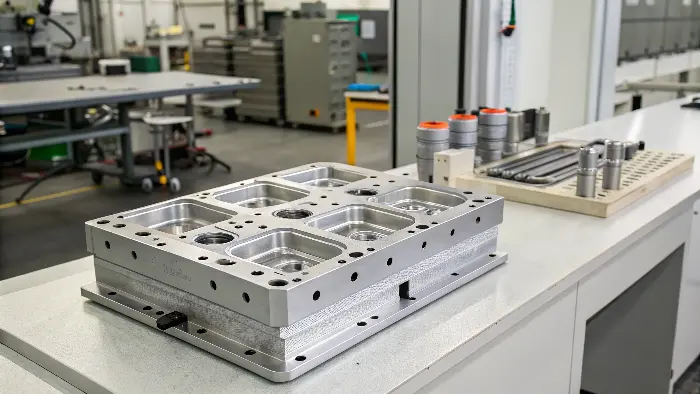
The basic difference
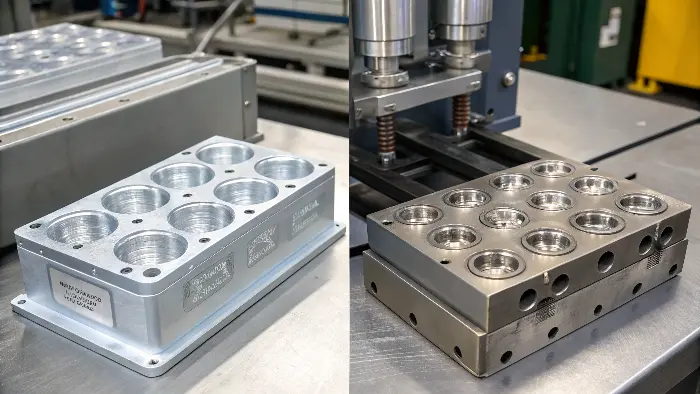
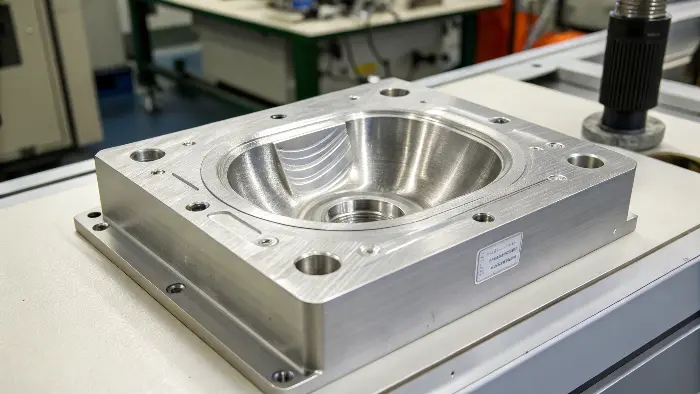
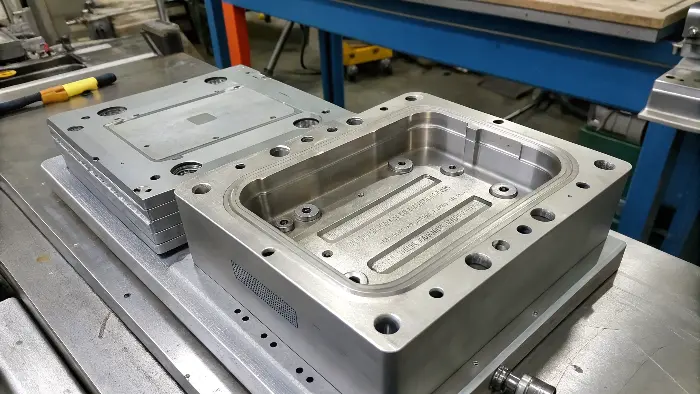
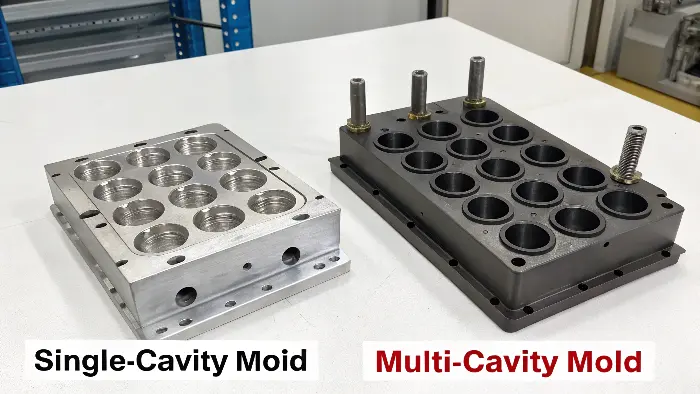
A single-cavity mold produces one part per cycle; a multi-cavity mold forms multiple parts in one cycle. More cavities can increase output, but the tool, runner, machine, inspection, maintenance, and quality system must support the full layout.
Do not confuse a multi-cavity mold with a family mold. Multi-cavity usually means repeated versions of the same part; a family tool forms different parts and has additional balance and approval considerations.
Demand and total economics
Compare tool investment, machine size, cycle, annual demand, product life, changeover, maintenance, spare inserts, quality loss, and piece price. More cavities only create value when the demand and good-part yield use the added capacity. A high-cavity tool can be uneconomic for a short or uncertain program.
Balance, gating, and machine fit
The feed system should fill cavities together without overpacking some and hesitating in others. Check runner layout, gate type and vestige, cavity-to-cavity cooling, injection volume, clamp force, platen space, ejection, and automation. A nominally balanced layout still needs trial data and cavity-specific inspection.
Lifecycle and risk
A single cavity can simplify development, correction, and early design changes. A multi-cavity tool may be justified after the design and demand are stable. Plan for one cavity being quarantined, maintenance access, spare components, cavity identification, and part traceability.
Frequently Asked Questions
Is multi-cavity always cheaper per part?
Not always. It can lower piece cost at sufficient demand, but tool cost, balance, rejects, machine fit, maintenance, and product lifecycle determine the crossover.
When is single-cavity a better choice?
When demand is uncertain, the design may change, volume is lower, the part is complex, or development and correction speed matter more than maximum output.
What does a multi-cavity tool need to control?
Runner and gate balance, cooling, cavity identity, machine fit, ejection, inspection, maintenance, spare parts, and response to one cavity being out of specification.
Should cavity count be fixed before DFM?
No. Use demand, geometry, machine, feed-system, quality, and lifecycle analysis to compare options before locking the tool architecture.
Related Cavity Mold Services
Engineering and DFM; Mold making; Plastic injection molding; Contact Cavity Mold.
For a drawing, resin, tolerance, finish, cavity-count, or process-window review, contact Cavity Mold.