
Injection Molding vs. 3D Printing: When to Transition to Production
Answer in one sentence: Move from 3D printing to injection molding when geometry, material, quality, volume, design stability, and tooling economics justify production—not simply when prototype count increases.
Engineering scope: This guide separates design assumptions, process controls, inspection evidence, and buyer decisions so the recommendation can be verified on the actual resin, mold, machine, and production requirement.
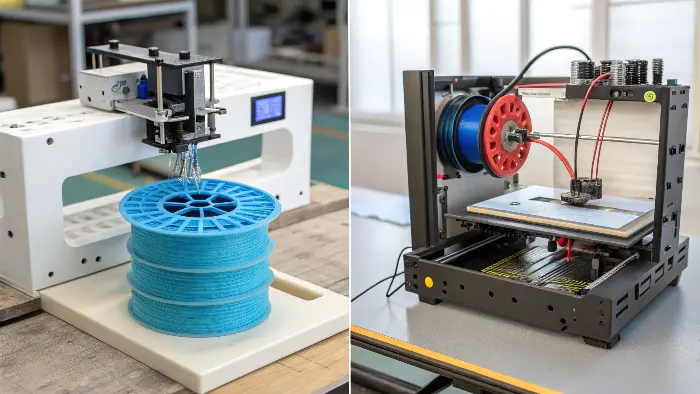
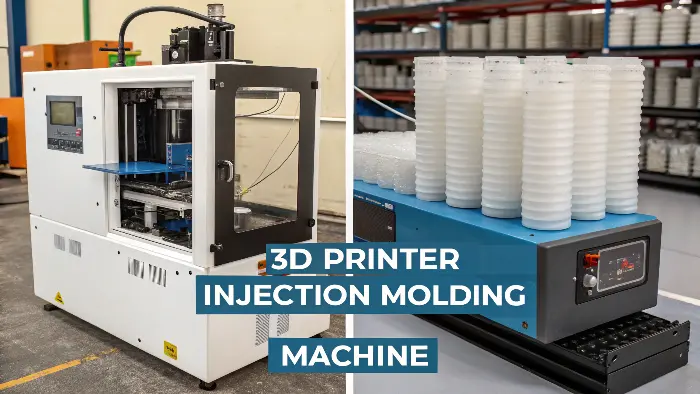
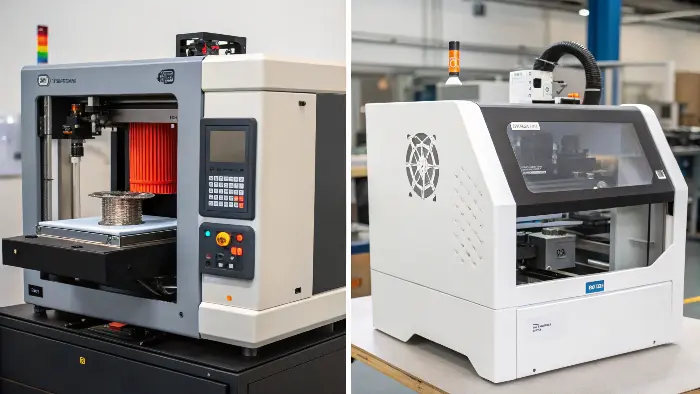
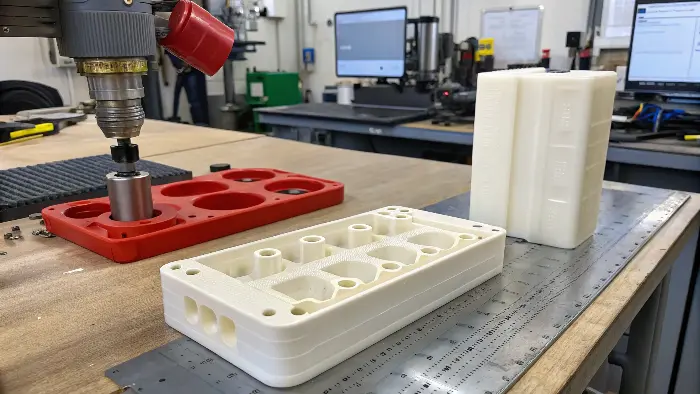
The transition is a readiness decision
3D printing is useful for fast iterations, complex prototypes, fit checks, and low-volume learning. Injection molding becomes attractive when the design, resin, performance, finish, tolerance, volume, and supply plan are stable enough to justify tooling and a repeatable process.
Prototype quantity alone is not the trigger. The correct question is whether the current prototype method is hiding a production requirement or whether the design still needs learning before the mold is committed.
Production-readiness gates
Before tooling, confirm the drawing and CAD revision, resin grade and additives, critical dimensions, assembly and function, cosmetic standard, annual and batch demand, packaging, inspection, and change-control owner. Review draft, walls, ribs, bosses, gates, vents, cooling, ejection, undercuts, shrinkage, and machine fit.
- Design gate: geometry and tolerance stack are stable.
- Material gate: the production resin and environment are defined.
- Quality gate: CTQs, measurement, sampling, and validation are agreed.
- Economic gate: tooling and total cost fit realistic demand and lifecycle.
- Supply gate: mold ownership, maintenance, lead time, and contingency are defined.
Bridge tooling and staged learning
A bridge or lower-cavity tool can reduce the risk of moving directly from prototype to a full production tool, but it still needs a clear purpose and acceptance plan. Do not assume a printed prototype predicts molded shrinkage, surface, orientation, weld lines, or production assembly without validation.
Control the transition
Use approved samples, pilot production, dimensional and functional checks, material and lot traceability, process-window evidence, and a controlled release. If the design changes after tooling, assess whether the change affects cavity, gates, cooling, ejection, validation, or approval.
Frequently Asked Questions
When should a product move from 3D printing to injection molding?
When the design and material are stable, the production volume and quality requirements justify tooling, and the team can validate a repeatable molded process.
Can 3D-printed parts prove injection molding performance?
They can support fit and concept learning, but surface, anisotropy, shrinkage, flow, weld lines, cooling, and material behavior may differ from molded parts.
Is bridge tooling always necessary?
No. It may be useful when demand or design risk is uncertain, but compare its cost, timing, quality, and learning value with direct production tooling.
What should be frozen before a production mold?
Freeze or formally control CAD, drawings, resin and grade, critical dimensions, cosmetic standard, volume, inspection, packaging, ownership, maintenance, and change approval.
Related Cavity Mold Services
Engineering and DFM; Mold making; Plastic injection molding; Contact Cavity Mold.
For a drawing, resin, tolerance, finish, cavity-count, or process-window review, contact Cavity Mold.