
Key takeaway: Healthcare injection molding requires material suitability, clean handling, traceability, risk management, validation, inspection, and an applicable regulatory pathway.

Why healthcare molding needs a broader control plan
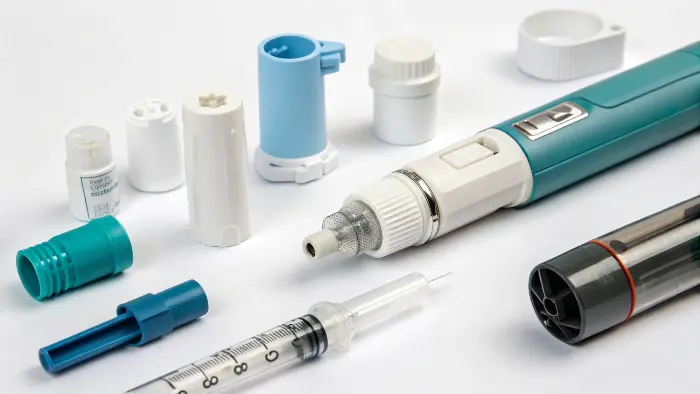
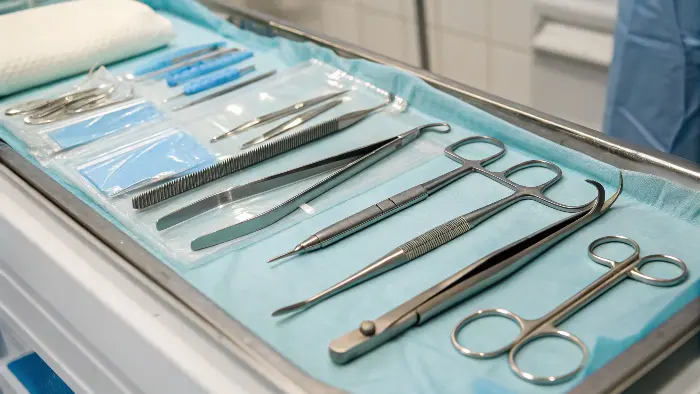
Healthcare parts can be sensitive to material selection, cleanliness, dimensional fit, extractables or leachables, sterilization, biocompatibility, packaging, and traceability. The molding cycle is only one part of a larger product and quality system.
As of February 2, 2026, FDA’s QMSR is effective for finished medical devices and incorporates ISO 13485:2016 by reference. The applicable requirements depend on the product, market, customer responsibilities, and supply role, so a project should define the regulatory pathway before tooling and validation decisions.
Design and process controls
Healthcare tooling should be reviewed for moldability, cleanability, venting, ejection marks, flash risk, cavity balance, cooling, and material handling. Use a controlled resin specification and document drying, lot identity, regrind policy, and process limits where applicable.
Validation planning should connect design inputs to measurable outputs: critical dimensions, appearance, function, assembly, cleanliness, and any customer-specific tests. A first article is not automatically a complete process validation; the required evidence should be agreed with the product owner.
Evidence buyers should request
The right evidence depends on scope, but a practical supplier review asks how changes, deviations, nonconforming parts, calibration, training, inspection, and lot traceability are managed. Claims such as ‘medical grade’ or ‘certified’ should be supported by current, applicable documents rather than marketing language.
Frequently Asked Questions
Does molding a healthcare part automatically make it a medical device?
No. Device status, regulatory obligations, material suitability, and validation depend on the finished product and market, not merely on the manufacturing process.
What information should a healthcare molding RFQ include?
Include resin and grade, sterilization or environment, critical dimensions, cleanliness expectations, annual volume, packaging, traceability, inspection, validation, and the applicable regulatory pathway.
What quality evidence matters most?
The customer should define the required evidence, commonly including material and lot controls, process records, inspection results, change control, nonconformance handling, calibration, and validation documentation.
Related Cavity Mold Services
Engineering and DFM; Mold making; Plastic injection molding; Contact Cavity Mold.
Have a drawing, resin, finish, volume, or quality requirement to review? Contact Cavity Mold for a project discussion.
Reference material
Define evidence ownership for healthcare parts
A healthcare application needs more than a molded shape. The team must define material identity, cleanliness, critical features, inspection, validation, change control, and who owns the applicable regulatory decisions.
Quality-planning boundary
- Identify the legal manufacturer, intended use, risk classification, and applicable market requirements.
- Freeze the part revision, material, color, additives, and approved substitutions.
- Define CTQs, measurement method, sample identity, records, and retention.
- Agree how mold, process, supplier, inspection, and packaging changes are reviewed.
Questions before tooling
What is critical to function or safety? Translate the requirement into measurable part, material, cleanliness, and process characteristics.
What must be validated? Define the evidence required for design transfer, process release, and ongoing change.
What is outside the molder’s authority? Keep regulatory claims and final product release with the responsible organization.
Bring the controlled requirement set to engineering and state the documentation boundary in the RFQ.