
PMMA injection-molded part quality depends on dry material, stable processing, polished tooling, dimensional inspection, optical tests, and documented process records. Clear parts need a defined inspection method because lighting, viewing angle, and handling can change the result.
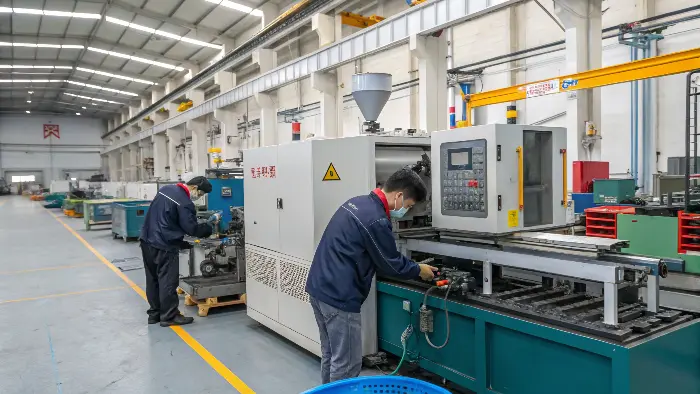


Control the inputs
- Verify exact resin grade, color, lot, drying condition, storage, and contamination prevention.
- Check mold polish, gates, vents, cooling, parting surfaces, ejectors, and cavity balance.
- Record machine fit, melt and mold temperatures, fill, pack, cooling, cushion, cycle, and alarms.
Inspect the finished part
Use agreed lighting and background to inspect haze, bubbles, splay, flow marks, weld lines, burn marks, scratches, gate vestige, and stress. Measure CTQs, flatness, fit, thickness, weight, and cavity-to-cavity variation. For optical parts, define transmission, haze, color, birefringence, beam distribution, or light-output tests as required by the application.
React to a quality signal
Contain the affected lot and map the defect to material, mold, machine, process, design, measurement, or handling. Do not polish or change a process setting without preserving the evidence. Verify any correction through a stable run and update the control plan.
Plan the next step
Share your part, resin, annual volume, critical dimensions, finish, and timing with the Cavity Mold team through our contact page. We can review the manufacturing risks and recommend a practical next step.
Related Cavity Mold resources
- Plastic injection molding services
- Injection mold engineering services
- Injection mold making services
- Contact Cavity Mold