
Sustainable PMMA injection molding combines material efficiency, controlled scrap, recycled PMMA, energy, durability, traceability, and a credible end-of-life route. Recycled or circular acrylic may be valuable, but the right choice depends on optical, mechanical, regulatory, and supply requirements.
Start with material and process efficiency
- Reduce unnecessary part mass while protecting function, optical geometry, service life, and assembly.
- Improve first-pass yield through dry resin, stable filling, cooling, ejection, inspection, and clean handling.
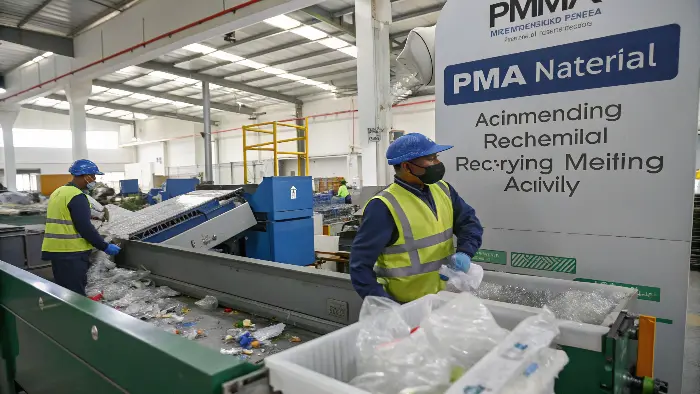
- Separate clean injection and extrusion scrap from contaminated or mixed material.
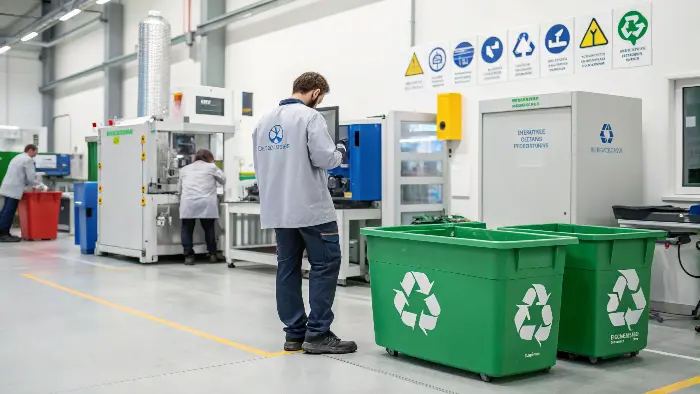
- Qualify recycled PMMA for color, flow, haze, transmission, strength, stress, and regulatory needs.
- Measure machine energy, cooling, purge, packaging, downtime, and scrap using a clear boundary.
Do not overstate recycling
Mechanical and chemical recycling routes can have different feedstock, quality, energy, and market requirements. Confirm what the recycler accepts and what product the recovered material can actually support. “Recycled content,” “recyclable,” and “circular” are different claims.
Build the evidence
Record resin identity, recycled percentage, lot traceability, processing window, test method, baseline, and end-of-life route. Compare the full lifecycle with a conventional grade rather than using an isolated environmental number.
Plan the next step
Share your part, resin, annual volume, critical dimensions, finish, and timing with the Cavity Mold team through our contact page. We can review the manufacturing risks and recommend a practical next step.
Related Cavity Mold resources
- Plastic injection molding services
- Injection mold engineering services
- Injection mold making services
- Contact Cavity Mold