
Are your electronic products breaking easily or looking cheap? It is hard to find the right plastic that looks great and stays strong. Picking the wrong material can ruin your product design. Let us fix this problem together.
The best plastics for consumer electronics are Polycarbonate (PC), ABS, and PC/ABS blends. These materials balance performance and aesthetics perfectly. PC offers high impact strength and heat resistance. ABS provides great looks and easy molding. Blending them gives you a tough, beautiful plastic that is perfect for device housings, screens, and buttons.
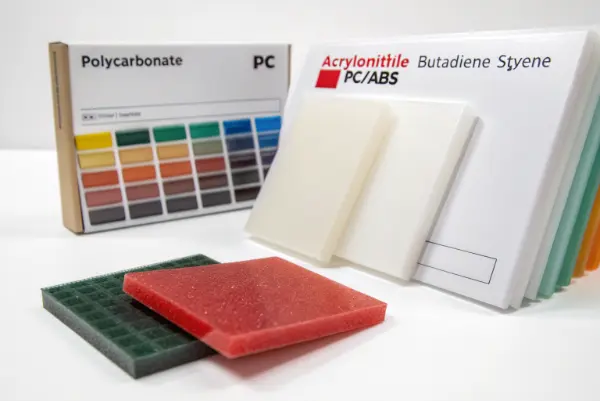
You might wonder how we make these choices every day at CavityMold. Let me take you through the details of picking the perfect plastic for your next big electronic device, so you do not have to worry about bad parts again.
Why Does Material Choice Matter for Consumer Electronics?
Do you hate it when a new gadget gets scratched right away? Poor plastic choice leads to unhappy customers and bad reviews. We need materials that can survive drops and still look shiny.
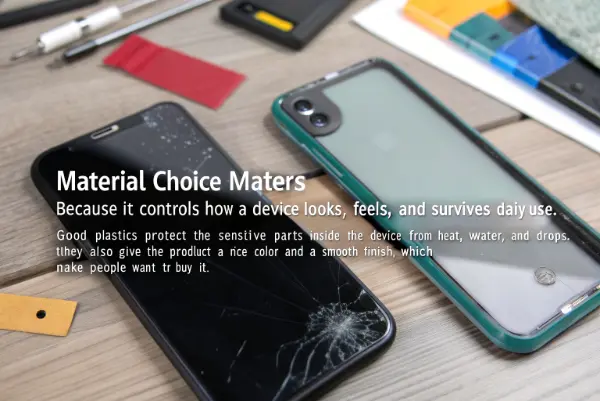
Material choice matters because it controls how a device looks, feels, and survives daily use. Good plastics protect the sensitive parts inside the device from heat, water, and drops. They also give the product a nice color and a smooth finish, which makes people want to buy it.
Protecting the Inside Parts
When I first started making molds at CavityMold back in 2009, I learned a big lesson. A customer brought us a broken phone case. The plastic they used before was too thin and weak. Every time someone dropped the phone, the screen broke. The inside computer chips also got too hot because the plastic trapped the heat. This is why material choice is a big deal. The plastic must act like a shield. It must take the hit when the device falls. It must also let heat out so the battery does not get too hot. If you pick a weak plastic, the device will break fast.
Making the Product Look Good
Looks are just as important as strength. If a laptop looks cheap, no one will buy it. People like gadgets that look shiny, feel smooth, and have cool colors. But not all plastics can hold paint well. Some plastics show scratch marks easily. I always tell my team that the plastic must look nice right out of the mold. We do not want to spend extra money painting it if we do not have to.
Here is a simple table to show what bad and good materials do:
| Material Quality | Protection Level | Look and Feel | Customer Reaction |
|---|---|---|---|
| Bad Plastic | Breaks on drop | Scratches easily, looks dull | Very unhappy, bad reviews |
| Good Plastic | Bounces, stays whole | Smooth, shiny, holds color | Very happy, buys more |
Choosing the right plastic stops problems before they start. It keeps the device safe and makes it look like a high-quality product.
What Are the Most Common Plastics Used in Electronics?
Are you confused by all the different plastic names? Choosing between PC, ABS, and others can make your head spin. If you pick the wrong one, your mold might fail. Let us make this simple.
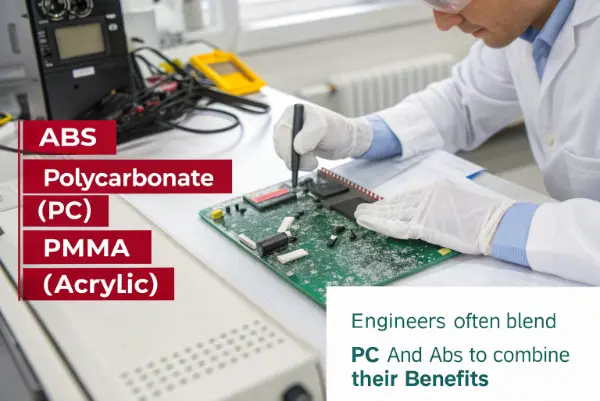
The most common plastics for electronics are ABS, Polycarbonate (PC), and PMMA (Acrylic). ABS is cheap and looks nice. PC is very strong and handles heat well. PMMA is clear and used for screens. Many engineers mix PC and ABS together to get the best parts of both materials.
The Big Three: ABS, PC, and PMMA
Over my years in mold design, I see the same plastics used again and again. Let us look at ABS first. ABS is very easy to push into a mold. It fills the mold nicely and leaves a smooth surface. It is cheap, so we use it for things like remote controls and keyboard keys.
Then we have Polycarbonate, or PC. PC is like the strong older brother. It does not break easily. You can hit it with a hammer, and it will not crack. But PC is harder to mold. It needs a lot of heat. We use PC for parts that get hot, like power chargers and laptop bodies.
Next is PMMA, which most people call Acrylic. PMMA is very clear. It lets light pass right through it. We use PMMA for clear covers over screens or tiny lights on your devices.
Why We Mix Plastics
Sometimes, one plastic is not enough. I remember a project where we needed a part to be very strong but also cheap and shiny. PC was too hard to mold alone, and ABS was not strong enough. So, we used a mix. We mixed PC and ABS together. This mix is called a PC/ABS blend.
Here is a simple table showing these plastics:
| Plastic Name | Best Feature | Common Use |
|---|---|---|
| ABS | Easy to mold, cheap | Remote controls, keyboards |
| PC | Very strong, takes heat | Power bricks, tough cases |
| PMMA | Clear, lets light through | Screen covers, light windows |
| PC/ABS | Strong and easy to mold | Phone bodies, laptop shells |
Knowing these common plastics helps you pick the right one for your product. It saves time and money.
How Do You Balance Strength and Good Looks in Plastics?
Does your strong plastic part look dull and ugly? It is frustrating when a tough material cannot hold a nice color. You do not have to choose between a strong part and a pretty part.
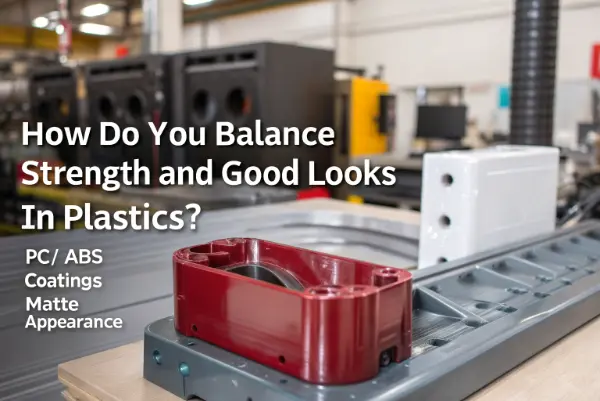
You balance strength and good looks by using plastic blends like PC/ABS or adding special coatings. You can also design the mold carefully. A good mold surface makes the plastic look shiny or matte. By adjusting the heat and pressure during molding, we make sure the part is both tough and beautiful.
The Magic of the Mold Surface
Many people think the plastic itself does all the work. This is not true. The mold does a lot of work too. At CavityMold, we spend a lot of time polishing our steel molds. If the steel is shiny like a mirror, the plastic part will come out shiny like a mirror. If we want a rough, dull look, we make the steel rough. We call this texturing. Texturing is great because it hides fingerprints and tiny scratches. So, you can use a very strong plastic that might normally look ugly, but our nice mold texture makes it look great.
Using Additives and Blends
Another way to balance strength and looks is by putting extra things into the plastic. We call these additives. One time, a customer wanted a very bright red plastic box. But the plastic they chose lost its color when we heated it up. It turned pink. We fixed this by adding a special color helper into the plastic mix. It kept the plastic strong and the color bright red.
As I said before, blending plastics also helps. When you mix PC and ABS, you get the strength of PC. You also get the nice, shiny finish of ABS.
Here is how we fix common problems:
| The Problem | How We Fix It | The Result |
|---|---|---|
| Strong plastic looks ugly | Texture the mold steel | Part looks premium, hides marks |
| Plastic loses color in heat | Use color additives | Bright, strong colors |
| Need strength and shine | Use PC/ABS blend | Tough part that looks glossy |
You can always have a product that is safe from drops and looks beautiful on the shelf. You just need the right mold trick and material mix.
Can We Make Electronic Plastics Eco-Friendly and Safe?
Are your customers asking for green products? Old plastics can harm the earth and catch fire easily. You need safe and clean materials to meet new rules and keep buyers happy.
Yes, we can make electronic plastics eco-friendly and safe by using recycled plastics and adding safe fire blockers. Many companies now use post-consumer recycled (PCR) plastics. We also add special chemicals called flame retardants. These stop the plastic from catching fire, keeping the user safe while protecting the planet.

Using Recycled Plastics
The world is changing. People want to buy things that do not hurt nature. A few years ago, using old plastic in electronics was a bad idea. The old plastic was too weak. But today, things are better. We use a material called PCR. PCR stands for Post-Consumer Recycled plastic. This means we take old water bottles or old computers, melt them down, and use them again. I worked with a big phone company recently. They wanted their phone charger to be made of 50% recycled plastic. We helped them find a clean PCR plastic. It molded perfectly. The parts were strong, and the company sold a lot of them because people liked the green story.
Keeping Things Safe from Fire
Electronics use electricity, and electricity can make heat. If a part gets too hot, normal plastic can catch fire. This is very dangerous. To stop this, we mix chemicals into the plastic. These chemicals are called flame retardants. But in the past, these chemicals were bad for human health. Now, we use safe chemicals. They stop fires but do not hurt people or the earth.
Here is a table showing old ways versus new ways:
| Topic | Old Way | New Way |
|---|---|---|
| Plastic Source | New oil from the ground | PCR (Recycled from old stuff) |
| Fire Safety | Toxic chemicals | Safe, green flame retardants |
| Earth Impact | Stays in trash forever | Can be recycled again |
Making electronics green and safe is not a dream anymore. We do it every day. It is good for the earth, and it is good for business.
Conclusion
Choosing the right plastic for electronics is about mixing strength, looks, and safety. Plastics like PC, ABS, and recycled blends protect devices and make them look great. By picking the right material and a good mold, you can build perfect products that make your customers very happy.