
Sustainable injection molding initiatives should connect scrap reduction, controlled recycling, energy, material efficiency, measurement, and verified production results. A project is credible when it starts with a baseline, assigns an owner, defines the measurement method, and reports both improvement and trade-offs.
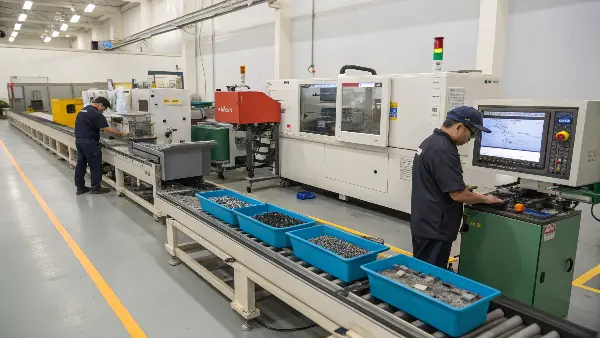
Start with a baseline
Record part weight, runner and sprue weight, scrap by cause, first-pass yield, cycle time, machine energy where available, resin usage, packaging, downtime, and maintenance. Separate internal production scrap from post-consumer material; they have different quality and traceability risks.
Choose initiatives with a clear control plan
- Reduce avoidable mass and balance walls through DFM.
- Improve fill, pack, cooling, ejection, and inspection to reduce rejects.
- Control clean regrind through material identification, blend approval, testing, and records.
- Improve cooling efficiency and eliminate unnecessary idle time.
- Reduce purge waste and protect resin from moisture and contamination.
- Review packaging and shipment damage alongside manufacturing waste.
Report results honestly
Compare the same product revision, material grade, volume, and measurement boundary before and after the change. Report quality, maintenance, cycle, energy, and customer effects, not only kilograms of scrap avoided. A result that depends on a temporary operator action is not yet a standardized improvement.
Build a repeatable improvement loop
Use plan–do–check–act reviews, update work instructions, train operators, and set a revalidation trigger for resin, mold, machine, or supplier changes.
Plan the next step
Share your part, resin, annual volume, critical dimensions, finish, and timing with the Cavity Mold team through our contact page. We can review the manufacturing risks and recommend a practical next step.
Related Cavity Mold resources
- Plastic injection molding services
- Injection mold engineering services
- Injection mold making services
- Contact Cavity Mold
Technical references
- European Commission plastics strategy
- Plastics Recyclers Europe recycling process
- OECD recycled plastics market report
A metric is useful only when it changes a decision: Sustainable injection molding metrics should connect a defined production boundary to a decision: reduce scrap, improve energy intensity, protect material traceability, increase uptime, or verify a customer requirement. A dashboard without consistent units, part scope, and data ownership can create activity without reliable evidence.
Define the functional unit and baseline
Sustainable injection molding metrics should connect a defined production boundary to a decision: reduce scrap, improve energy intensity, protect material traceability, increase uptime, or verify a customer requirement. A dashboard without consistent units, part scope, and data ownership can create activity without reliable evidence.
Metrics that support different decisions
| Decision area | What to examine | Evidence or output |
|---|---|---|
| Material | Part mass, startup scrap, rejected parts, regrind, and recycled content | Mass balance and lot records |
| Energy | Meter boundary, machine or cell energy, and production denominator | Measurement method and time window |
| Quality | First-pass acceptance, defects, rework, and containment | Inspection and nonconformance records |
| Operations | Downtime, changeover, maintenance, and output stability | Machine and production logs |
Data quality and reaction rules
- Define whether the metric is per part, per accepted part, per mass, or per production run.
- Use the same boundary and data method before comparing two periods or suppliers.
- Assign an owner and a reaction threshold to each metric.
- Keep quality and service-life evidence alongside environmental metrics so one does not hide another.
What to request from a molding supplier
For a metrics request, specify the part and process boundary, data period, denominator, resin and color changes, accepted-output definition, and reporting format. Link the improvement work to injection molding and engineering.