
The plastic recycling process connects collection, sorting, preparation, washing, separation, extrusion, pelletizing, quality control, and new product manufacturing. For an injection molder, recycled content is only reliable when the incoming stream and the resulting material specification are controlled.
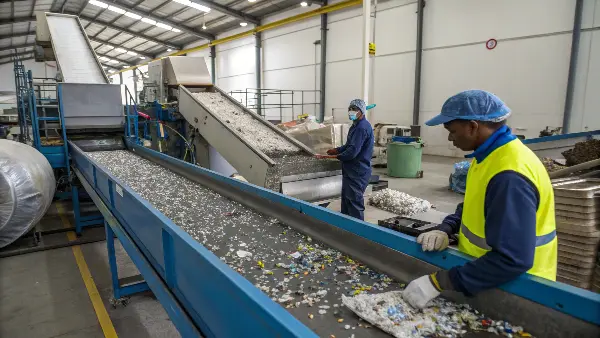
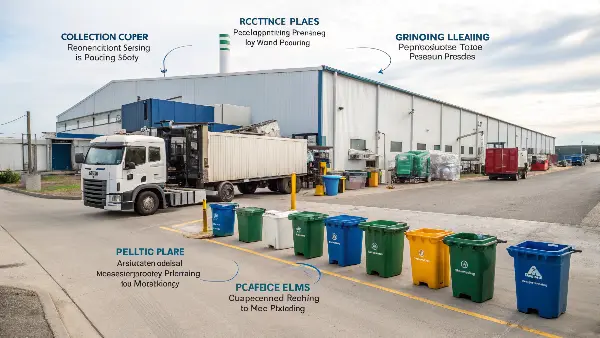
What happens to plastic after collection?
- Collection and consolidation: parts, packaging, runners, sprues, and post-consumer items enter different streams with different contamination risks.
- Identification and sorting: polymer, color, additives, labels, metals, and mixed materials are separated because they affect melt behavior and end use.
- Size reduction and cleaning: shredding, grinding, washing, drying, density separation, and metal removal prepare a more consistent feedstock.
- Extrusion and filtration: the material is melted, filtered, compounded where needed, and formed into strands.
- Pelletizing and testing: pellets are cooled, dried, sampled, and tested for moisture, contamination, melt flow, color, ash, impact, or other customer requirements.
What molders should verify
Ask for resin identity, recycled-content percentage, lot traceability, moisture limits, processing window, storage conditions, and test data. Recycled material can vary in color, viscosity, odor, contamination, and mechanical performance. Qualification should use the actual mold, part geometry, critical dimensions, and end-use tests where performance matters.
Recycling is not the same as automatic circularity
Some parts are technically recyclable but not collected or economically reprocessed in the target market. Design, labeling, material compatibility, disassembly, local infrastructure, and product life all influence the real outcome.
Plan the next step
Share your part, resin, annual volume, critical dimensions, finish, and timing with the Cavity Mold team through our contact page. We can review the manufacturing risks and recommend a practical next step.
Related Cavity Mold resources
- Plastic injection molding services
- Injection mold engineering services
- Injection mold making services
- Contact Cavity Mold
Technical references
- U.S. EPA recycling system overview
- SUEZ UK plastic recycling process
- Basel Convention technical guidelines on plastic waste
Recycling is a chain of controlled handoffs: The plastic recycling process moves through collection, sorting, preparation, reprocessing, quality checking, and conversion into a new product. The usable value of the output depends on polymer identity, contamination, additives, degradation, blend control, and the evidence available for the intended application.
From collection to a usable feedstock
The plastic recycling process moves through collection, sorting, preparation, reprocessing, quality checking, and conversion into a new product. The usable value of the output depends on polymer identity, contamination, additives, degradation, blend control, and the evidence available for the intended application.
Where quality can change
| Decision area | What to examine | Evidence or output |
|---|---|---|
| Collection and sorting | Source separation, polymer identification, color, and contamination | Input specification and sorting method |
| Preparation | Baling, shredding, washing, drying, and removal of foreign material | Preparation controls and contamination limits |
| Reprocessing | Melt history, filtration, compounding, additives, and pelletizing | Material data and batch traceability |
| New product | Grade fit, processing behavior, appearance, and performance testing | Application approval and lot records |
Evidence for recycled resin decisions
- Identify the polymer and additive history before assuming recyclability or reuse.
- Define contamination, color, moisture, and performance limits for the new application.
- Compare recycled material behavior with the approved virgin or reference grade.
- Keep the intended part function and regulatory route visible through the material decision.
Questions for a recycled-material project
For an injection-molded product, the RFQ should state the recycled-content requirement, resin family and grade, color, performance tests, traceability expectations, and end-use environment. Use the engineering page to connect material choice to part and mold feasibility.