
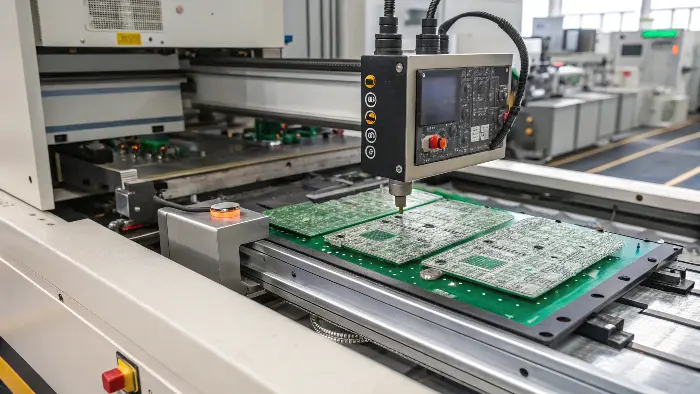
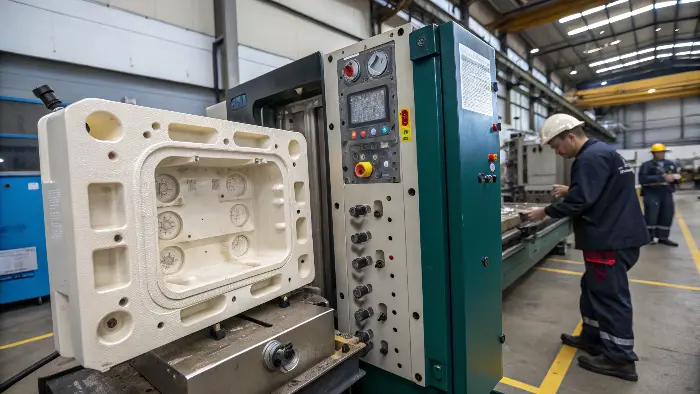
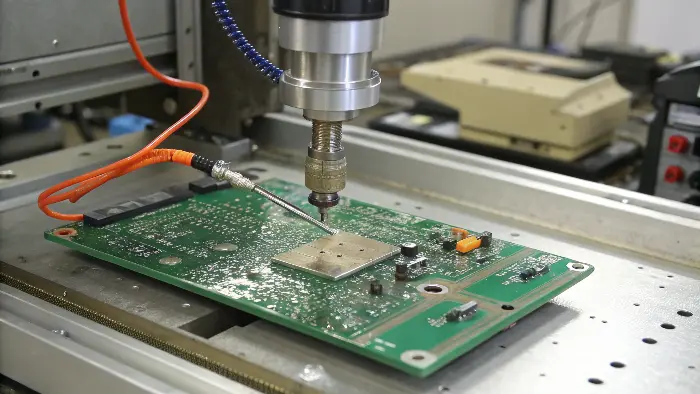
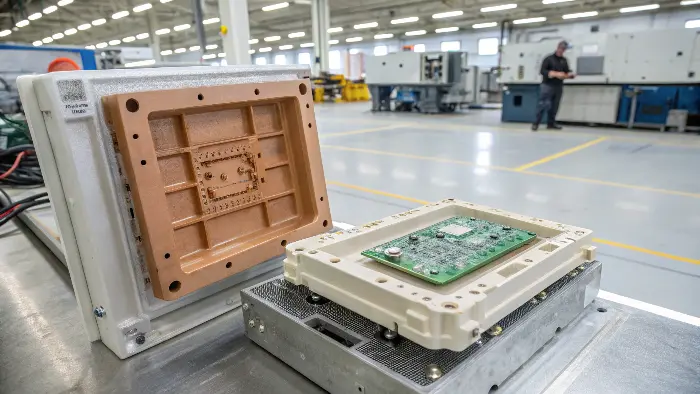
Low-pressure molding is an electronics encapsulation process that uses a moldable thermoplastic to protect assemblies while reducing the pressure and thermal exposure of conventional molding routes. It is an application-specific encapsulation method, not a universal replacement for potting, conformal coating, or ordinary high-pressure injection molding.
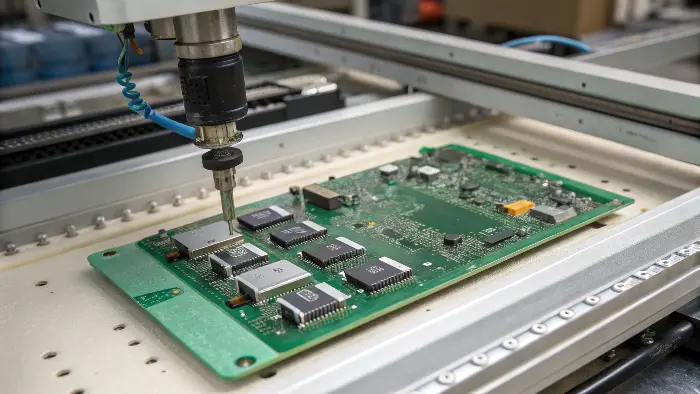
Where low-pressure molding fits
- Consider it for delicate PCBs, connectors, wires, sensors, LEDs, and assemblies that need protection from moisture, vibration, shock, contamination, or handling.
- Define the required insulation, sealing, flexibility, temperature, chemical, repairability, and service-life performance.
- Confirm that the chosen thermoplastic and process are compatible with the electronics, substrate, coatings, components, and test requirements.
Design the mold and assembly
- Control the insert location, support, cavity, vents, flow path, flash line, demolding, and strain relief.
- Use material and process data from the supplier and test the actual assembly; low pressure does not eliminate thermal or mechanical stress.
- Plan electrical, leak, adhesion, insulation, thermal cycling, vibration, and visual tests based on the application.
Validate the protection claim
Confirm encapsulation coverage, voids, component movement, connector function, repair route, and environmental performance. Document material lot, mold, process, test method, and acceptance criteria. The result must be qualified for the actual assembly and end use, not inferred from the process name.
Plan the next step
Share your part, resin, annual volume, critical dimensions, finish, and timing with the Cavity Mold team through our contact page. We can review the manufacturing risks and recommend a practical next step.
Related Cavity Mold resources
- Injection mold engineering services
- Plastic injection molding services
- Injection mold making services
- Contact Cavity Mold