
Plastic waste is a huge problem today. Traditional TPE parts sit in landfills for years, causing real harm to our earth. But we do not have to stick to old ways. New biodegradable alternatives are here to save the day and keep our planet clean.
Biodegradable alternatives to traditional TPE include bio-based thermoplastic elastomers, polylactic acid (PLA) blends, and polyhydroxyalkanoates (PHA). Unlike standard TPE, these eco-friendly materials break down naturally into water and carbon dioxide. They still give you the soft, rubbery feel you need for your parts, without leaving toxic waste behind.
I remember a time when finding a green material meant giving up quality. Now, that is no longer true. Let us look closer at how these green materials work and why you should use them for your next big molding project.
Is traditional TPE material truly biodegradable?
You might think your soft plastic parts will rot away over time. Sadly, standard TPE does not work like that. It just breaks into tiny, harmful bits. We need to face this truth to make better choices for our earth.
Traditional TPE material is not truly biodegradable. Most standard thermoplastic elastomers are made from oil. While they can be melted down and recycled in factories, they will not break down naturally in soil or water. They just turn into harmful microplastics that stay in nature forever.
Why standard TPE stays around forever
Let me share a story. A few years ago, a client asked me if their standard TPE grips would rot away in a compost bin. I had to tell them no. Standard TPE is built to last. It is made from petroleum. The chemical bonds in standard TPE are very strong. Dirt and tiny bugs in the ground cannot eat them. They are not food for nature.
The difference between recycling and biodegrading
Many people mix up recycling and biodegrading. They are very different things. You can recycle standard TPE. That means you take an old part, melt it in a big machine, and make a new part. But biodegrading means nature eats the material. TPE completely fails this test.
When standard TPE gets left outside, the sun makes it weak. It breaks into very tiny pieces. We call these pieces microplastics. These tiny pieces get into our soil, our rivers, and our oceans. They even get into the food we eat. This is why we need better materials. As people who make things, we want to make products that do not hurt the earth. We want our molds to run clean and safe.
Comparing the old with the new
Let us look at a simple chart. I made this to help you see the exact differences clearly.
| Feature | Traditional TPE | Biodegradable TPE |
|---|---|---|
| Made From | Oil and fossil fuels | Plants and natural oils |
| Rots in Dirt? | No, never | Yes, over time |
| Leaves Microplastics? | Yes | No |
| Can be Melted Again? | Yes | Yes |
If you use standard TPE, you get good parts, but bad waste. It is time we look at better options that keep our world clean.
What are some biodegradable alternatives to traditional plastics?
Finding a good substitute for soft plastics can be hard. You want it to bend, but you also want it to rot away safely. Let us look at the best green materials you can use right now.
Some biodegradable alternatives to traditional plastics include PHA, PLA blends, starch-based polymers, and PBS. These materials come from plants, like corn or sugarcane. They bend and stretch just like normal plastic. When you throw them away, nature eats them up safely.
Plant-based heroes: PLA and PHA
When I first tested PLA, I was shocked. It looks and acts just like normal plastic. PLA stands for Polylactic Acid. We make it from corn starch. You can blend PLA with other soft green materials to make it feel like rubber. It works very well in injection molds. It fills the cavity nicely.
Then we have PHA. Bugs and bacteria actually make PHA. It sounds crazy, but it is true! We feed sugars to bacteria, and they create this plastic inside their bodies. We take it out and use it. PHA is amazing because it will rot away even in the cold ocean. Not many materials can do that.
Starch and PBS materials
We also use starch-based plastics. These are very common. We take starch from potatoes or wheat and mix it with water and heat. This makes a soft, flexible material. It is great for packaging and bags. It breaks down very fast in the dirt.
Another great option is PBS. It is a soft plastic that breaks down well in the soil. We often mix PBS with PLA to make parts stronger and more flexible.
Which one should you pick?
How do you know which one to use? It depends on your project. Here is a guide I use every day.
| Material | Where it comes from | Best Use Case | Does it rot in water? |
|---|---|---|---|
| PLA Blends | Corn or sugarcane | Hard parts, some soft grips | No, needs hot dirt |
| PHA | Bacteria eating sugar | Ocean-safe parts, films | Yes, very well |
| Starch | Potatoes, wheat | Soft bags, wrappers | Yes |
| PBS | Natural acids | Mixing to make PLA softer | Mildly |
You can put these green materials into your molds right now. You do not need magic machines. They run just fine in standard equipment.
What are the latest advancements in biodegradable plastics?
Science moves very fast. Just when we think we have the best materials, new ones come out. Today, scientists are making green plastics stronger and easier to mold than ever before.
The latest advancements in biodegradable plastics include faster breakdown speeds, better heat resistance, and smart blending techniques. New bio-TPEs can now handle high heat without melting. Scientists are also using seaweed and food waste to create cheaper, stronger green plastics.
Fighting the heat problem
In the past, green plastics had a big problem. They melted if they got too hot. I had a client who made parts for cars. He tried an early green plastic, and it warped in the sun. It was a disaster.
But things are different now. Scientists have found ways to cross-link the plant fibers. This means they lock the tiny parts of the plastic together very tightly. Now, new biodegradable plastics can sit in a hot car and hold their shape perfectly. This opens up many new doors for us. We can use them for tools, car parts, and electronics.
Making it cheaper with food waste
Another huge step forward is how we make these materials. Before, we had to grow fields of corn just to make plastic. That cost a lot of money. Now, clever people are taking food waste—like old fruit peels and coffee grounds—and turning them into plastic.
This does two great things. First, it cleans up garbage from our kitchens. Second, it makes the plastic much cheaper to buy. As a project manager, you know that saving money on material is a big win.
Seaweed as the new raw material
Have you ever thought about making plastic from seaweed? It is happening right now. Seaweed grows very fast in the ocean. We do not need land or fresh water to grow it. We take the seaweed, dry it, and turn it into soft, stretchy films. It is a fantastic replacement for TPE films.
Here is a summary of the newest tricks in green plastics.
| New Advancements | Why it matters | How it helps your project |
|---|---|---|
| Heat resistance | Parts do not melt in the sun | You can use them for outdoor tools |
| Food waste base | Lowers the cost of raw materials | Keeps your project under budget |
| Seaweed films | Saves farm land and fresh water | Great for highly green brand image |
These new steps make my job easier. They give me confidence to tell you that green plastics are ready for serious work.
What is the new eco-friendly alternative to plastic that has been recently developed?
Every year, a brand new star enters the material world. The newest green plastic is unlike anything we have seen. It acts like strong rubber but turns to dirt in weeks.
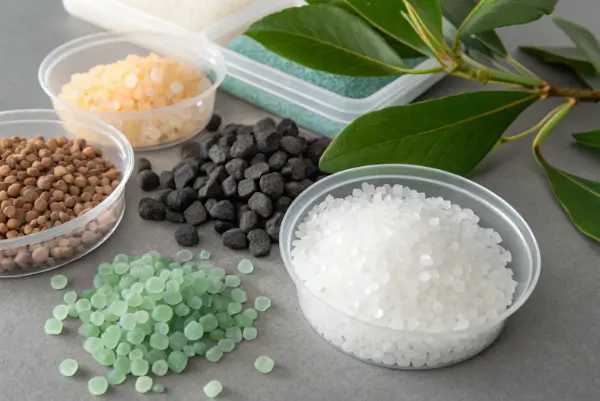
The new eco-friendly alternative to plastic recently developed is a material made from algae and mushroom roots (mycelium). These advanced composites feel exactly like soft TPE. They require zero oil to make and act as a natural fertilizer for the soil when they break down.
The magic of mushroom roots
Let me tell you about mycelium. It is the white root part of a mushroom. For a long time, people just ignored it. But a few smart designers realized it acts like a natural glue. We can pack these mushroom roots into a mold. Over a few days, they grow and fill the cavity perfectly.
When we bake the part, the roots stop growing. The final part feels like a soft foam or a hard TPE. It is amazing. I held a mycelium grip in my hand last month. It was soft, grippy, and strong. When you are done with it, you just drop it in your garden. The plants will actually eat it to grow bigger.
Algae-based elastomers
Next to mushrooms, we have algae. Algae is the green slime you see on ponds. Scientists take this slime and turn it into a soft rubber. We call it algae-blended EVA or algae-TPE.
This material is a true game changer. Most soft foams in shoes or grips are very bad for the earth. But algae foam cleans the water while it grows. When factories harvest the algae, they leave the pond water cleaner than before. We take that algae, dry it into powder, and mix it into rubber.
Why you should care about these new materials
If you make consumer goods, your customers want green products. They are tired of trash. These new materials give you a great story to tell.
| Material | What is it? | Best part about it |
|---|---|---|
| Mycelium | Mushroom roots | Turns into plant food when thrown away |
| Algae Foam | Pond slime turned to rubber | Cleans water while growing |
| Hemp Plastic | Plant fibers | Super strong and very light |
Using these new alternatives shows you care. It shows you lead the pack. You can still use standard injection molds for many of these. The future of making things is green, and it is very exciting.
Conclusion
Finding biodegradable alternatives to traditional TPE is easier today than ever before. From PHA to mushroom roots, these new materials protect our earth while giving you the soft, strong parts you need. Making the switch cuts down on plastic waste and keeps your projects modern and green.