
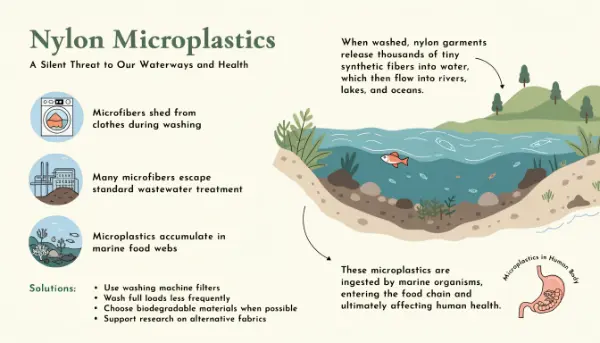
Are you worried about invisible pollutants polluting your local rivers and drinking water? Nylon microplastics shed from our clothes every single day, and they slowly poison marine life. This silent threat enters our food chain and affects our health without us even noticing.
Nylon microplastics harm the environment by polluting water systems, entering marine food webs, and carrying toxic chemicals. These tiny synthetic fibers shed from clothes during washing and escape standard wastewater treatment. To stop this pollution, we must use washing machine filters, adopt better laundry habits, and choose biodegradable materials.
At CavityMold, we design and manufacture high-precision plastic parts every day. I always look at how plastics behave over time, and these tiny nylon fibers are a serious issue. Let me share what I have learned about this problem and how we can easily fix it together.
How Does Nylon Actually Impact Our Environment?
We love nylon because it is strong, light, and very stretchy. However, this popular fabric sheds thousands of tiny plastic threads every time we wash it. These tiny fibers wash down our drains and accumulate in nature, creating a permanent environmental hazard that we cannot easily clean up.
Nylon impacts the environment primarily through aquatic pollution, food-chain transfer, airborne spread, and chemical transport. Millions of tiny nylon fibers slip past wastewater treatment plants during laundry cycles. These fibers accumulate in rivers and oceans, where marine animals eat them, allowing toxins to climb up the food chain to humans.
As a product manager, I study how materials degrade. Nylon is a synthetic polymer, which means it does not break down easily in nature. When you wash your favorite nylon jacket or activewear, the friction rubs tiny pieces of fiber off the fabric. These fibers are so small that standard water filters cannot catch them. They float away into rivers and oceans. Fish and shellfish mistake these tiny plastic pieces for food and eat them. This physical blockage can starve the animals.
Even worse, these plastics act like tiny sponges. They attract and absorb toxic chemicals and heavy metals already present in the water. When fish eat the plastic, they also ingest these concentrated toxins. This process moves pollutants right up the marine food web. We also find these fibers in the air we breathe. They settle in our homes as dust. The scale of this issue is massive, and we need to understand the main pathways of this pollution.
Main Pathways of Nylon Environmental Pollution
| Pathway | Description | Environmental Impact |
|---|---|---|
| Wastewater Runoff | Fibers wash out of home laundry machines | Floods aquatic ecosystems with plastic debris |
| Food Chain Intake | Aquatic life eats the tiny plastic fibers | Causes internal blockages and passes toxic chemicals |
| Atmospheric Settling | Light fibers become airborne from clothes | Settles on soil and is inhaled by humans and animals |
| Chemical Adsorption | Microplastics absorb toxic industrial chemicals | Concentrates poisons and carries them to new areas |
To solve this, we must look at both industrial manufacturing and our daily habits. We need to find where these plastics come from to stop them.
Do Your Everyday Toothbrushes Have Microplastics?
You brush your teeth twice a day to stay healthy and clean. But what if your toothbrush is actually releasing tiny pieces of plastic into your mouth? Most standard toothbrushes use nylon bristles that wear down over time, creating a hidden source of daily microplastic exposure.
Yes, traditional toothbrushes release microplastics because their bristles are almost always made of nylon. As you brush, friction wears down these synthetic bristles, causing them to split and shed tiny plastic fragments. These microplastics can be swallowed accidentally or washed down the drain into our water systems.
In my work with plastic molds, I know that nylon is the go-to material for toothbrush bristles because it is highly flexible and durable. However, every time you brush, the hard surface of your teeth rubs against these plastic bristles. This friction causes physical wear and tear. Over three months of use, the tips of the bristles split and break apart. You end up swallowing some of these tiny nylon particles without knowing it.
The rest of the particles rinse down your sink and join the wastewater stream. This contributes to the growing mountain of plastic pollution in our rivers and oceans. We need to evaluate the materials used in oral care and look for better alternatives. Bamboo toothbrushes are popular, but many of them still use nylon bristles. We must read labels carefully to find truly plastic-free options.
Comparison of Toothbrush Bristle Materials
| Bristle Material | Source | Biodegradability | Microplastic Risk |
|---|---|---|---|
| Nylon-6 / Nylon-612 | Petroleum-based synthetic polymer | Non-biodegradable | Very High |
| Castor Oil Bio-Nylon | Plant-based plastic | Very slow biodegradation | Moderate |
| Natural Boar Hair | Animal-derived natural fiber | Fully biodegradable | None |
| Silicone | Synthetic polymer | Non-biodegradable | Low (does not shed fibers) |
Choosing the right materials is a small step, but it makes a big difference for your health and the earth. Let us explore how these tiny particles affect our bodies.
Can Ingesting Microplastics Cause Neuropathy?
We know microplastics pollute our oceans, but could they also damage your nervous system? Recent medical studies suggest that tiny plastic particles can cross into our organs. This raises fears about nerve damage, chronic pain, and serious neurological issues like neuropathy.
Emerging scientific research indicates that microplastics may contribute to neuropathy and nerve damage. Once these tiny particles enter the body, they can cross biological barriers and cause inflammation. This cellular stress and chemical toxicity can damage nerves, potentially leading to symptoms like numbness, tingling, and pain.
At CavityMold, we focus on safe material design because we know that plastic chemistry matters. When microplastics enter our bodies through water, food, or air, they do not just pass through us. The smallest particles, called nanoplastics, are tiny enough to enter our bloodstream. They can even pass through the blood-brain barrier. Once inside, these particles trigger our body’s immune system. This causes chronic, low-grade inflammation in our tissues.
The plastic particles also carry harmful chemicals, such as plasticizers and heavy metals, which are known neurotoxins. Over time, this constant chemical exposure and inflammation can damage the myelin sheath. This sheath is the protective coating around our nerves. When the myelin sheath is damaged, nerve signals get disrupted, which can cause neuropathy. Symptoms of neuropathy include burning sensations, numbness, and muscle weakness. While more human studies are needed, the existing animal research is very concerning.
How Microplastics Can Damage the Nervous System
| Stage of Impact | Biological Process | Effect on the Body |
|---|---|---|
| 1. Ingestion & Inhalation | Plastics enter the body through food, water, or dust | Particles accumulate in the gut and lungs |
| 2. Systemic Circulation | Nanoplastics cross biological barriers into the blood | Plastics travel to major organs, including the brain |
| 3. Cellular Inflammation | Immune cells attack foreign plastic particles | Chronic oxidative stress damages surrounding cells |
| 4. Neurotoxicity | Leached chemicals disrupt nerve signals | Myelin sheath degrades, leading to neuropathy symptoms |
Understanding these health risks shows why we must take action now. Fortunately, there are practical ways we can reduce our exposure and protect our families.
How Can We Mitigate the Effects of Microplastics?
The microplastic crisis feels overwhelming, and you might think you cannot make a difference. But simple changes in your daily routine can stop plastic shedding at the source. We can easily protect our water and health by using smart filtration and making better buying choices.
We can mitigate the effects of microplastics by capturing fibers during laundry, reducing synthetic clothing purchases, and upgrading wastewater systems. Using washing machine filters or laundry bags catches up to 90% of nylon fibers. Additionally, choosing natural fabrics and supporting stronger environmental laws will stop plastic pollution at its source.
As a product manager, I always look for practical solutions to complex engineering problems. Stopping microplastic pollution requires a mix of personal action and industrial change. At home, the easiest place to start is your laundry room. Synthetic clothes like nylon shed millions of fibers during washing. You can install an external microfiber filter on your washing machine or use a specialized wash bag. These tools catch the tiny threads before they flow into the sewer.
You should also change your laundry habits. Wash your clothes less often, use cold water, and choose liquid detergent instead of powder, which is less abrasive. On a larger scale, we need to buy fewer synthetic garments. Instead, we should choose natural fibers like cotton, wool, or linen. As manufacturers, we also need to develop better biodegradable coatings that stop fabrics from shedding. Governments are starting to help by passing laws that require washing machine makers to build filters directly into their machines.
Effective Actions to Reduce Microplastic Pollution
| Action Level | Strategy | Direct Benefit |
|---|---|---|
| Household | Install a washing machine microfiber filter | Catches up to 90% of plastic fibers before they escape |
| Laundry Habits | Wash full loads with cold water on gentle cycles | Reduces fabric friction and cuts fiber shedding in half |
| Consumer Choice | Buy clothing made from natural fibers like wool and cotton | Eliminates synthetic plastic shedding entirely |
| Industrial | Develop biodegradable textile coatings and better filters | Stops pollution at the manufacturing and municipal levels |
These small steps add up to a big positive impact. By changing how we wash and shop, we can keep our water clean and our bodies healthy.
Conclusion
Nylon microplastics are a major threat to our oceans and health. By using laundry filters, choosing natural materials, and supporting better manufacturing standards, we can easily reduce this pollution. Let us protect our environment and build a cleaner, safer future together.