
Clear Plastic for Injection Molding: PC vs. PMMA vs. PETG
Answer in one sentence: Clear plastic selection should balance impact, optical clarity, UV, chemical and heat resistance, drying, thickness, surface finish, sterilization, and compliance—not transparency alone.
Engineering scope: This guide separates design assumptions, process controls, inspection evidence, and buyer decisions so the recommendation can be verified on the actual resin, mold, machine, and production requirement.
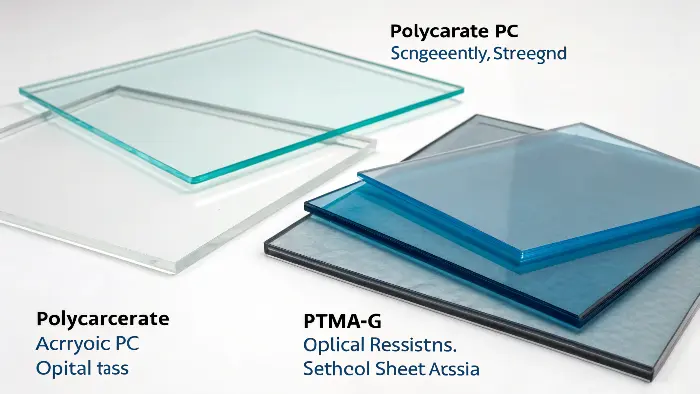
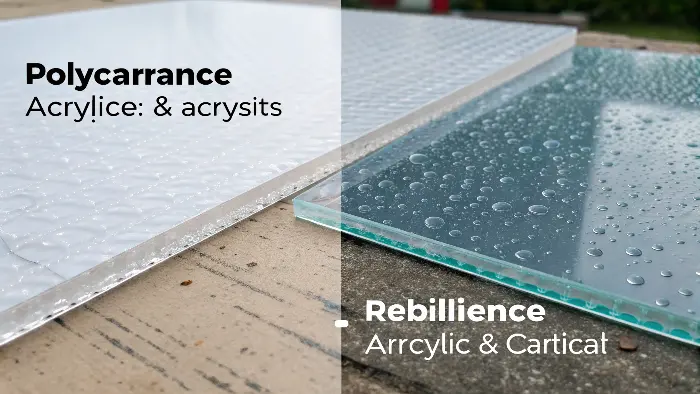
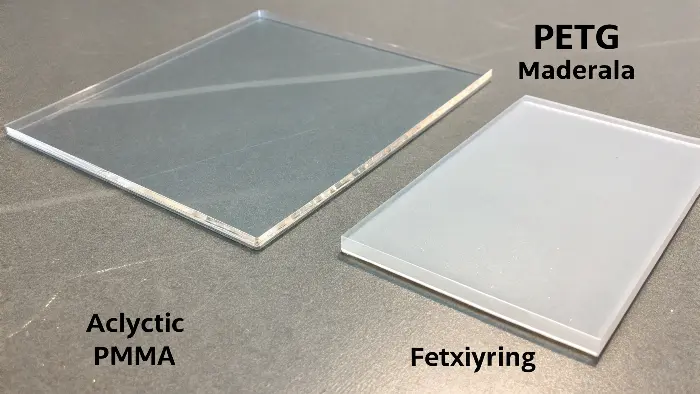
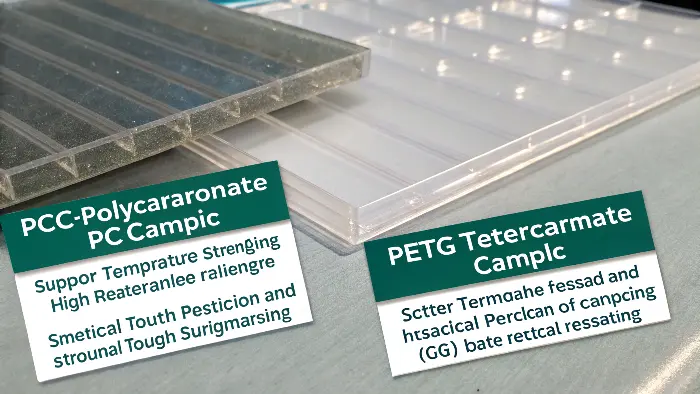
PC, PMMA, and PETG answer different needs
Polycarbonate is often considered when impact and temperature performance are important, while PMMA is commonly selected for high clarity, surface appearance, and weathering where brittleness is acceptable. PETG can offer transparency and impact performance for suitable applications, but the exact grade, processing, and regulatory evidence must be checked.
These are material-family tendencies, not guarantees. Supplier grade, additives, wall thickness, texture, processing history, stress, and environment can change the result. Use datasheets and molded samples for the selected grade.
A practical comparison framework
Ask which requirement is dominant: impact, light transmission, scratch resistance, UV exposure, chemical contact, heat, sterilization, toughness, dimensional stability, or cost. Then check drying, melt and mold temperature, shrinkage, gate, finish, and part thickness.
- PC: consider where impact, heat, or safety performance is important; verify chemical and stress-cracking exposure.
- PMMA: consider where optical appearance, clarity, UV, and surface finish dominate; manage brittleness and stress.
- PETG: consider where clarity, impact, and processing or forming behavior fit; verify grade-specific heat, chemical, and compliance limits.
Design for clarity
Clear parts expose contamination, scratches, welds, sink, flow marks, and internal stress. Keep walls and transitions practical, control material cleanliness and drying, define the mold finish and cosmetic zones, and validate light transmission or visual quality on the final geometry.
Approve the material with the product
Compare representative molded parts after the expected environment, cleaning, assembly, and sterilization if applicable. Record the grade, lot, process, finish, measurement method, and acceptance limits. Do not change a clear resin family or supplier without assessing appearance and performance impact.
Frequently Asked Questions
Which is clearer, PC, PMMA, or PETG?
Clarity depends on grade, thickness, surface, process, and measurement. PMMA often offers strong optical appearance, PC combines clarity with impact, and PETG can provide transparent impact performance; validate the actual part.
Which clear plastic is most impact-resistant?
Polycarbonate is commonly chosen for high impact, but the exact grade and environment matter. A material decision should also check chemical exposure, heat, stress, and design.
Why do clear parts show defects so easily?
Transparency reveals contamination, scratches, flow and weld patterns, sink, stress, and surface variation that opaque parts may hide.
What should a clear-plastic RFQ specify?
Resin grade, optical or visual target, thickness, UV and chemical exposure, impact, heat, sterilization, texture or gloss, gate and cosmetic zones, inspection, and approved samples.
Related Cavity Mold Services
Engineering and DFM; Mold making; Plastic injection molding; Contact Cavity Mold.
For a drawing, resin, tolerance, finish, cavity-count, or process-window review, contact Cavity Mold.