
Key takeaway: Advanced color masterbatch technologies must be evaluated for pigment dispersion, effects, additive interactions, polymer compatibility, heat history, weathering, compliance, and color measurement.
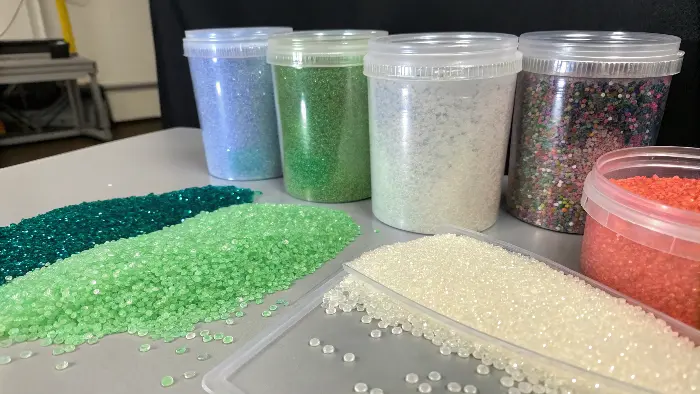
Beyond a standard solid color
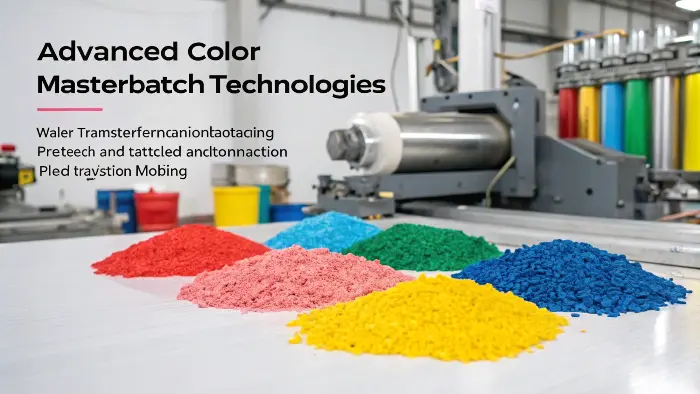
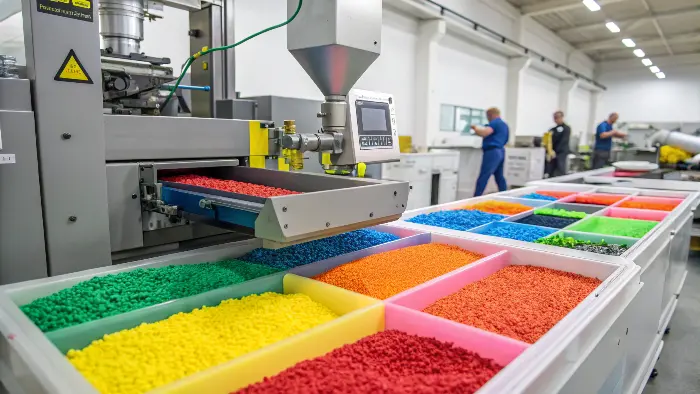
Advanced color programs can combine high-opacity pigments, transparent effects, pearlescent or metallic appearances, fluorescent tones, UV packages, antistatic functions, and other additives. The technology choice should follow the product requirement and process window, not the visual label alone.
Interactions that need testing
Effect pigments can be sensitive to orientation, wall thickness, flow, texture, and gloss. Additives can influence surface behavior, mechanical performance, weathering, or downstream bonding. Carrier selection and thermal history affect dispersion and color strength.
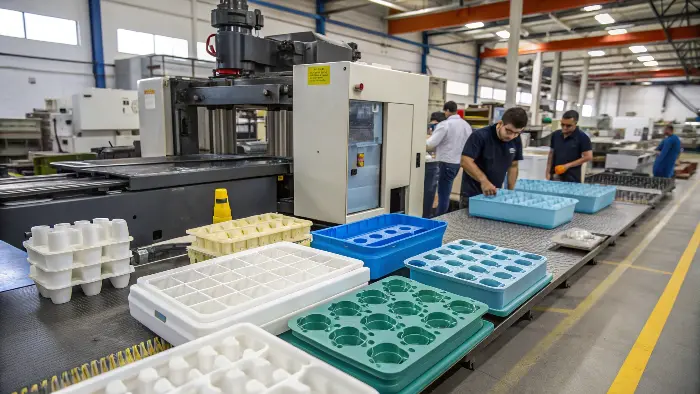
Test with the production resin and representative geometry. Record drying, melt and mold temperatures, screw speed, back pressure, residence time, dosage, and inspection method. Keep claims about weathering or functional performance tied to evidence for the actual formulation.
Build repeatability into the approval
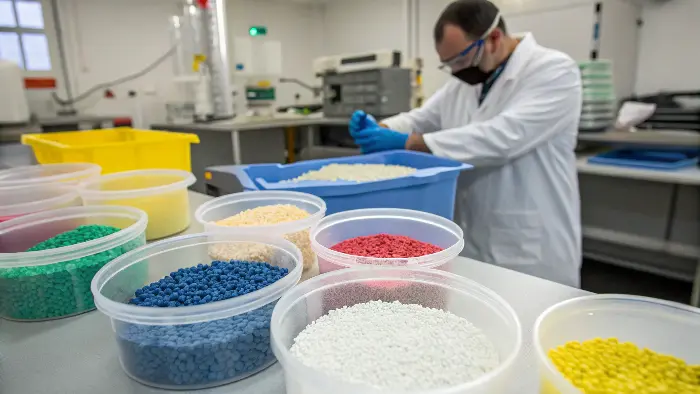
Use a master standard and numerical tolerance where practical, approve samples from representative cavities, and define how lot changes, regrind, and material substitutions are handled. A robust color specification includes visual appearance, measurement conditions, texture or gloss, process window, and supply documentation.
Frequently Asked Questions
Are special-effect masterbatches harder to process?
They can be more sensitive to orientation, dispersion, wall thickness, texture, gloss, and thermal history. A representative trial is needed before production claims are made.
Can an additive masterbatch change the part’s other properties?
Yes. Additives can influence surface, weathering, bonding, mechanical behavior, and processing. Review the complete formulation and end-use requirements.
How should advanced color be approved?
Approve a physical standard and representative molded samples with documented resin, dosage, settings, measurement method, tolerance, visual zones, and lot-change rules.
Related Cavity Mold Services
Engineering and DFM; Mold making; Plastic injection molding; Contact Cavity Mold.
Have a drawing, resin, finish, volume, or quality requirement to review? Contact Cavity Mold for a project discussion.
Reference material
Validate advanced effects on the actual part
Metallic, pearlescent, fluorescent, transparent, conductive, and other advanced color effects can depend on orientation, wall thickness, surface texture, shear, and lighting. The effect must be approved on the part, not only in a catalog.
| Decision | Evidence to review | Boundary |
|---|---|---|
| Effect mechanism | Define the visual or functional effect and how it is measured. | A product name or color chip may not reproduce the molded geometry. |
| Flow and orientation | Review gate, flow direction, weld lines, shear, thickness, and cavity balance. | Effect orientation can expose flow or process differences. |
| Surface and light | Control gloss, texture, viewing angle, light source, and background. | A color can look different under different observation conditions. |
| Material interaction | Check carrier, additives, resin, temperature, residence, and regrind. | Advanced color systems may narrow the process window. |
Advanced color validation
- Write the effect and acceptance method.
- Run a representative geometry and thickness.
- Measure appearance across the process range.
- Freeze the color system and change controls after approval.
Use engineering for the appearance boundary and send the actual part data with the technology RFQ.