
Home / Mold Transfer, Repair & Modification
Mold Transfer, Repair, and Modification Support
Moving or changing an existing mold starts with condition evidence. A transfer or repair plan should protect the customer’s part requirements, mold history, ownership position, schedule, and requalification needs.
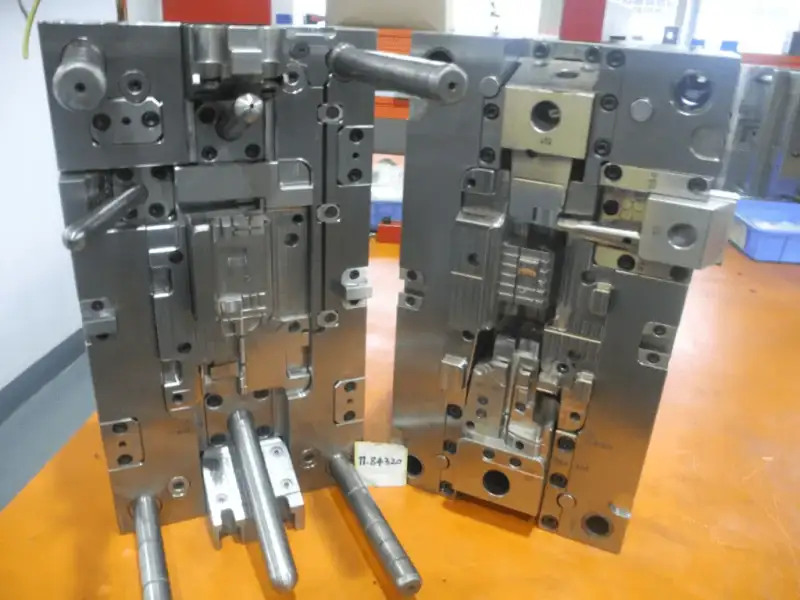
What to collect before the tool arrives
Mold identity
Mold name or number, revision, cavity count, dimensions, weight, last production date, and current location.
Part requirements
Latest CAD and drawing, resin and grade, color, critical tolerances, finish, fit, function, and sample references.
Condition evidence
Photos, maintenance records, wear symptoms, damage, rust or corrosion, cooling or ejection issues, and previous change history.
Transfer logistics
Ownership authorization, packing, transport, lifting, destination, utilities, machine fit, and the party responsible for shipping.
Requalification
T1 samples, inspection, process setup, appearance approval, dimensional evidence, and customer release requirements after the move or repair.
A controlled transfer or repair review
01
Receive records
Review drawings, tool history, photos, samples, specifications, and the requested outcome.
02
Inspect tool
Assess parting surfaces, cores, cavities, inserts, slides, lifters, ejection, cooling, runner, wear, and access.
03
Define work
Separate essential repair, requested modification, preventive maintenance, replacement parts, and optional improvements.
04
Trial and measure
Run the agreed trial or inspection, compare evidence with the current requirement, and document deviations.
05
Release
Confirm the completed work, records, spare parts, ownership handoff, maintenance needs, and production next step.
A repair is not automatically an engineering change
Restoring a damaged feature and changing the product requirement are different scopes. The quotation should identify whether the work returns the mold to its previous condition, changes the molded part, changes the process, or requires a new approval. If the old records conflict with the current drawing, stop and resolve the revision before steel is cut.
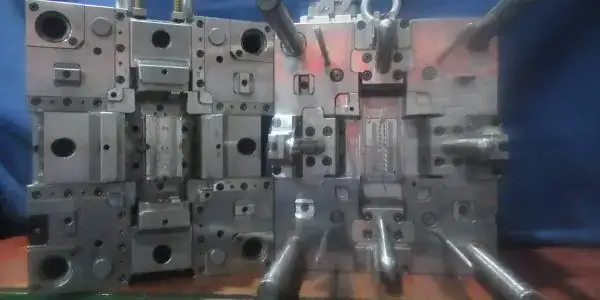
Send the evidence that reduces uncertainty
A clear request includes the mold photos, part samples or defect images, requested change, latest part files, material, production quantity, machine details, delivery timing, and any prior inspection or maintenance report. If information is missing, the first step may be an inspection and condition report rather than an immediate repair quote.
Need to move or repair an existing tool?
Send the tool history and current part requirements. The team can separate transfer logistics, condition assessment, repair, modification, and re-trial scope.