
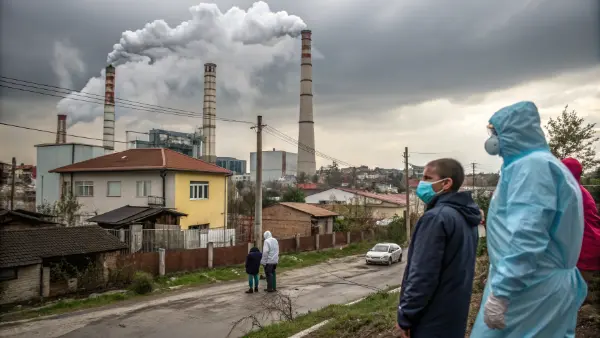
You worry about the air quality around plastic factories. You might feel scared when you read news about toxic chemicals making people sick. It is a big problem for workers and neighbors, but understanding the facts can help us find safe solutions.
Yes, plastic emissions from manufacturing pose real health risks. Production releases toxic air pollutants like VOCs, phthalates, and styrene. These chemicals can cause respiratory problems, neurological issues, reproductive harm, and even cancer. Workers and nearby communities face the highest risks when factories do not have strict safety controls.
I want to walk you through the reality of plastic manufacturing emissions. We need to look closely at what comes out of these factories and how it affects the human body. Let us break down the details to see what is really happening in our industry today.
What Are the Main Exposure Pathways for Plastic Emissions?
You might wonder how these chemicals actually enter your body. It is scary to think that invisible dust or fumes can harm your health. Let us look at how these bad particles travel from a factory straight to you.
The main exposure pathways for plastic emissions are breathing in toxic fumes and dust, touching chemicals with your skin, and drinking contaminated water. Factories can release volatile organic compounds and fine particulates into the air. Additives can also leak into the local environment and water supply.
I see many people get confused about how factory smoke reaches our bodies. We must understand the main exposure pathways. The air we breathe is the most common way. Workers inside the plant inhale fumes every single day. Dust from resin plants floats around the room. It lands on their clothes. It touches their skin. We also see a big danger in the local water. Some old factories dump waste that gets into rivers. People living near the factories drink this water. They use this water for their farms.
How Chemicals Move from Factory to Human
| Exposure Pathway | How It Happens | Who Is Most At Risk |
|---|---|---|
| Inhalation | Breathing fumes, dust, and VOCs in the air. | Factory workers, nearby residents. |
| Skin Contact | Touching raw materials or dusty surfaces. | Factory workers handling resins. |
| Ingestion | Drinking water mixed with factory runoff. | Communities living near the plant. |
These pathways show us that plastic manufacturing is a very serious chemical issue. It is not just about melting plastic blocks. The extraction process releases bad stuff. The refining process creates dirty fumes. The mixing process throws dust into the air. Unregulated facilities in low-income areas make this problem much worse. People in marginalized neighborhoods cannot just move away from the smoke. They breathe the factory air every day. They face repeated low-dose exposure over many years. This constant contact builds up in the human body over time.
I remember visiting an old factory years ago. The smell of styrene was very strong. I felt a headache after just one hour of standing there. Imagine working there for ten years. The fine particulates travel far with the wind. Even if you do not work inside the building, you might still catch the dust in your yard. This makes local communities very unsafe. We must fix these exposure pathways to stop the sickness. We must track how the fumes move through the air. We must watch where the waste water flows.
What Health Outcomes Should We Worry About Most?
Hearing about factory chemicals makes you worry about getting sick. You might feel anxious about asthma, cancer, or strange allergies. This fear is very real, but knowing the exact health risks helps us push for better factory safety rules.
The most common health outcomes from plastic emissions include asthma, respiratory issues, and skin irritation. Long-term exposure can cause cancer, reproductive harm, and developmental problems. Chemicals like styrene link to cancer, while phthalates disrupt the endocrine system. Nanoplastics might even enter the brain and cause neurological issues.
The health outcomes from plastic emissions are very serious. I want you to understand exactly what these chemicals do to the human body. Workers in plastic production facilities show a high risk of getting asthma. Breathing in Volatile Organic Compounds hurts the lungs very badly. But the medical problems do not stop at the lungs. Some chemicals go much deeper into the body. Phthalates can disrupt the endocrine system in humans. This means they mess with the natural hormones in your body. We also see big problems with human reproduction. Prolonged exposure to these fumes can reduce reproductive health in both men and women.
Severe Health Impacts from Emissions
| Chemical Source | Direct Health Impact | Long-Term Risk |
|---|---|---|
| Styrene Gas | Eye and lung irritation | Linked to human cancer |
| Phthalates | Hormone disruption | Reproductive and developmental harm |
| Nanoplastics | Crosses blood-brain barrier | Neurological conditions |
We also face a scary new danger today. Emerging studies show that nanoplastics in emissions can enter the human brain. They penetrate the blood-brain barrier. This may make neurological conditions much worse over time. I have read reports showing higher rates of pollution-related illnesses in communities near these plants. The danger is not just a simple cough. It is a severe long-term risk. Liver problems, skin rashes, and immune system drops are very common.
Microplastics generated during manufacturing also hurt our natural ecology. They break down and enter our food chain. This causes indirect health risks for everyone in the world. When I started CavityMold, I promised to follow strict safety rules. I did not want my workers facing these terrible health outcomes. Every factory owner must take these outcomes seriously. We cannot trade human health for cheap plastic parts. We must protect the nervous system of our workers. We must ensure our neighbors do not get cancer from our exhaust pipes.
Do Proper Safety Controls Reduce These Health Risks?
You might feel helpless thinking about all these toxic chemicals in the air. You probably wonder if any plastic factory can ever be truly safe. The good news is that we can fix this problem with the right safety tools and strict rules.
Yes, proper safety controls can significantly reduce the health risks of plastic emissions. The actual risk depends heavily on plant design, ventilation, and air filtration systems. Factories can use safer chemicals, enclosed machines, and good worker protection gear. Strict monitoring ensures that toxic releases are tightly controlled.
The plastic industry does not have to be a nightmare for human health. The actual risk depends a lot on how we run the factory. Good controls make a huge difference in safety. From an industry perspective, we must treat plastic manufacturing as a high-hazard chemical sector. We cannot treat it as a simple, low-risk materials job. The strongest concern is for the workers inside the building. We must protect them first. Then we must protect the fenceline communities near the resin plants. How do we do this? We upgrade the basic plant design.
Essential Factory Controls for Safety
| Safety Control Type | How It Protects People | Impact Level |
|---|---|---|
| High-End Ventilation | Pulls toxic fumes out of the air. | High |
| Enclosed Machines | Keeps dust and gas inside the tool. | High |
| Chemical Substitution | Replaces bad chemicals with safe ones. | Medium to High |
| Worker Protection | Masks and suits stop skin and lung contact. | High |
We must use strong ventilation systems. Large fans and thick filters clean the air before it leaves the building. We must enclose the molding machines so dust cannot escape into the room. We can also change the chemicals we use every day. If a chemical is too toxic, we must find a safer substitute immediately. Regular monitoring is very important for a safe factory. We must test the indoor air every day to make sure the filters work correctly.
If we do not control the toxic releases, the factory creates massive health risks for everyone. But if we use strict rules, the factory becomes much safer. I always tell my team at CavityMold that safety comes before speed. We invest heavily in good air filtration. We make sure every single worker wears the right mask. A clean factory keeps everyone healthy and happy. It is the only right way to make molds and plastics. Good controls save lives. They stop the bad chemicals from reaching the neighborhood. They make the manufacturing process clean and modern.
Conclusion
Plastic manufacturing emissions pose serious health risks like asthma, cancer, and neurological harm. Exposure happens through bad air, skin contact, and dirty water. However, strict factory safety controls and strong ventilation can protect workers and local communities from these dangerous toxic chemicals.