
Do you worry about ruined plastic parts? Bad heat control ruins good molds. I know this pain well. I will share safe heat limits for common plastics. This guide will save your time and money.
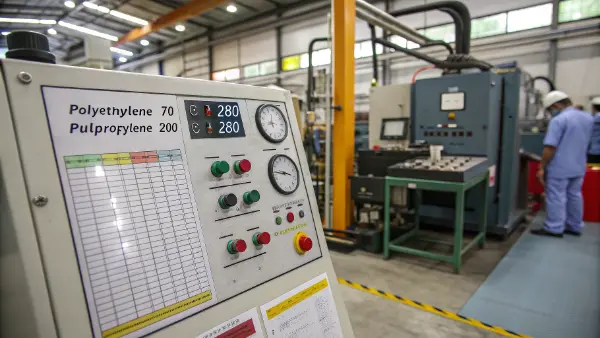
Safe injection molding means keeping the plastic heat inside a strict range. Polyethylene needs 170°C to 280°C. Polypropylene needs 200°C to 280°C. Going over these limits ruins the material. The safest heat is the lowest heat that fills the mold well. This keeps the final parts strong and safe.
Let us look at some common questions about plastic heat. You will find out what happens when things go wrong.
Does plastic melt at 60C?
You might leave a plastic part in a hot car. The part bends and loses shape. Heat ruins weak plastics easily. I will explain if 60°C is enough to melt them.
No, most hard plastics do not melt at 60°C. Some soft plastics can get weak at this heat. For example, cheap materials might bend. Real melting for injection molding needs much higher heat. You usually need at least 150°C to melt standard plastics.
I see people get confused about melting and bending. Plastic acts in funny ways. A heat of 60°C is hot for a human. It is low for most plastics. Plastics do not turn into a liquid at 60°C. They just get a little soft. We call this the softening point. I remember testing parts in a hot room. The room was 60°C. Some cheap plastic parts warped. They did not melt into puddles.
To actually melt plastic for a mold, you need high heat. Let me show you the real melt ranges for common plastics.
| Plastic Type | Melt Range | Mold Heat |
|---|---|---|
| ABS | 200°C – 240°C | 50°C – 80°C |
| PC (Polycarbonate) | 270°C – 320°C | 80°C – 120°C |
| PBT | 220°C – 270°C | 60°C – 80°C |
| PMMA | 220°C – 250°C | 50°C – 70°C |
You can see the numbers are very high. Polycarbonate needs heat up to 320°C to flow. ABS needs at least 200°C. Even simple plastics need more than 150°C. The machine barrel must reach these high numbers. Only then can the plastic flow into the mold. If you try to push plastic that is too cold, you break the machine. Cold plastic does not flow well. It makes bad parts. Sixty degrees is just a warm sunny day for injection molding. It is often the heat we use for the mold tool itself. The mold tool needs to stay warm. A warm mold helps the plastic cool down slowly. Fast cooling causes stress. We use 60°C water to warm the mold. We do not use it to melt the raw plastic pellets. You need intense heat to turn pellets into liquid.
At what temperature does HDPE start to degrade?
Do your HDPE parts look burned or yellow? Too much heat destroys the plastic chains. It causes weak and ugly parts. I will tell you the exact breaking point of HDPE.
HDPE starts to degrade when the heat reaches about 300°C. The safe melt range for HDPE is between 160°C and 280°C. If you go over 280°C, you risk burning the material. High heat ruins the strength of the final product. It can also cause bad smells and dark marks.
High-Density Polyethylene is a great material. We call it HDPE. I use it a lot in my daily work. It is cheap and easy to mold. You must watch the heat. The safe molding range is 160°C to 280°C. This gives you a big window to work with. Pushing the heat too high is a bad idea.
When you heat HDPE near 300°C, it starts to break down. We call this degradation. The long chains in the plastic snap. The plastic loses its magic. I saw a factory ruin a whole batch once. They set the machine to 310°C. The parts came out yellow and brittle. They snapped like dry twigs. The high heat ruined the mechanical strength.
Here is a fast guide for safe low-heat plastics.
| Material | Melt Range | Danger Point |
|---|---|---|
| LDPE | 150°C – 230°C | 300°C |
| HDPE | 160°C – 280°C | 300°C |
| PP | 190°C – 290°C | 320°C |
You must always stay well below the danger point. Safe means staying inside the processing window. The best heat is the lowest heat that works. A lower heat saves energy. It also makes the cooling time shorter. A cold mold can cause uneven cooling. Uneven cooling causes warping. You must balance the barrel heat and the mold heat. For HDPE, keep the mold between 50°C and 80°C. This helps the plastic cool down the right way. Heat variations outside the safe range cause bad things. The parts can shrink too much. The parts can twist out of shape. You must control the heat every single minute.
At what temperature does polypropylene start to degrade?
Polypropylene is tough. It has limits. Overheating it leads to smoke and brittle parts. Nobody wants a weak product. Let us look at the real danger zone for PP.
Polypropylene starts to degrade at about 320°C. The safe molding heat for PP is between 190°C and 290°C. If the heat goes near 320°C, the plastic breaks down. It will turn dark and lose its strength. You must stay inside the safe window to keep the part strong.
Polypropylene is a star in the plastic world. We call it PP. It is tough and bends without breaking. It hates extreme heat. The safe melt range is 190°C to 290°C. The mold heat should be 40°C to 80°C. This setup gives the best parts.
If you let the heat reach 320°C, the PP breaks down fast. I always warn my team about this. At 320°C, the plastic chains tear apart. The material burns inside the machine. You will see black specks in your parts. The parts will be weak. They will fail under pressure. High heat beyond safe limits always degrades polymers. It reduces the mechanical strength of the final product.
Let us compare PP with other engineering plastics.
| Plastic Type | Melt Range | Danger Point |
|---|---|---|
| PP | 190°C – 290°C | 320°C |
| POM (Acetal) | 190°C – 230°C | 280°C |
| PA6 (Nylon) | 260°C – 300°C | 320°C |
| PEEK | 360°C – 400°C | 520°C |
You can see PP handles heat well compared to POM. POM degrades at 280°C. POM is very sensitive. PP still needs care. A good rule is to avoid the danger point entirely. Overheating causes gas generation. Bad gas hurts the workers. It causes part defects. Keep your machine settings in the middle of the safe range. If you can fill the mold at 220°C, do not use 260°C. Lower heat is always safer. The plastic stays healthy. The machine uses less power. The final product lasts longer. Heat control is the secret to good molding. You must test the heat settings before you run a big order.
At what temperature does PP become brittle?
You make a strong plastic part. It breaks in the cold. Cold weather makes plastics act like glass. This causes big problems for outdoor products. I will show you when PP fails.
Polypropylene becomes brittle at cold temperatures around 0°C. Below freezing, PP loses its ability to bend. It acts more like glass and cracks easily under stress. We often mix PP with other materials like rubber to fix this. This helps it stay strong in freezing weather.
We talked about high heat. Now we must talk about cold heat. Polypropylene does not like freezing weather. At room heat, PP bends easily. It is very tough. When the heat drops to 0°C, things change. The plastic gets very stiff. We call this becoming brittle. If you hit it, it shatters like glass.
I learned this the hard way. We made a batch of outdoor clips from pure PP. It was winter. The parts shipped to Canada. The client called me. The clips were snapping in the cold wind. The heat outside was -10°C. Pure PP cannot handle that cold. We had to change the formula.
Here is how different plastics handle cold heat.
| Plastic Type | Cold Behavior | Fix Method |
|---|---|---|
| Pure PP | Cracks at 0°C | Add rubber or PE |
| HDPE | Tough at -50°C | None needed |
| PC | Very tough in cold | None needed |
| ABS | Good in cold | None needed |
To make PP safe for winter, you must blend it. We add rubber or polyethylene to the mix. This changes the structure. The new mix stays soft in the cold. You must also watch your mold heat during production. Cold molds can cause uneven cooling. This adds internal stress to the part. Internal stress makes the part even more brittle. Keep the mold heat steady between 40°C and 80°C. A good molding process stops bad parts. A bad process makes weak parts. You must test the parts in a freezer. A freezer test shows you the truth. You will see if the part can survive real winter weather.
Conclusion
Safe injection molding means watching the heat closely. You must know the melt range and the danger point for every plastic. High heat ruins materials. Low heat causes bad flow. Use the right heat to make strong and safe parts every single time.