
Finding the right plastic for medical devices is very hard. If you pick the wrong one, your project fails tests and harms patients. At CavityMold, we help you solve this worry by using safe, tested materials like medical-grade PLA and TPU.
Medical-grade PLA and TPU are safe plastics used in healthcare. PLA is stiff and melts away inside the body safely, making it great for things like bone screws. TPU is very flexible and strong, perfect for soft tubes. Both must pass strict rules like FDA and ISO 10993 to prove they are totally safe for human contact.
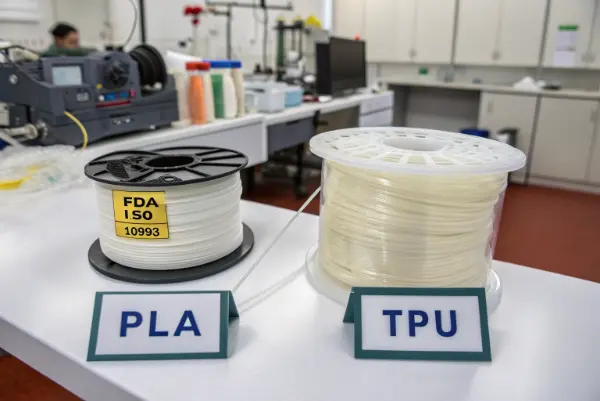
If you manage medical projects, you know how stressful material choice can be. You do not want to fail after spending so much money. Let us look closely at why PLA and TPU are top choices and how to use them right.
What makes PLA and TPU suitable for medical use?
You might worry if standard plastics are safe enough for sick people. Regular plastics can release bad chemicals and cause big problems. But medical-grade PLA and TPU are specially made to be clean and safe for the human body.
PLA is a bio-based plastic made from plants that naturally breaks down. It is stiff and safe for inside the body. TPU is a rubber-like plastic that bends easily without breaking. Both do not cause bad reactions in the human body, which makes them perfect for long-term or short-term medical tools.
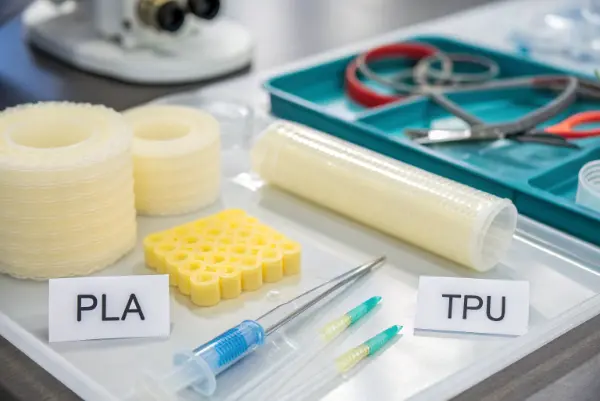
At CavityMold, I have seen many project managers struggle with basic plastic choices. They often ask me why these two plastics are so special. Let me explain in simple words.
Why PLA is Great
PLA stands for Polylactic Acid. It is made from corn or sugarcane. This makes it a natural plastic. The best thing about PLA is that the human body can absorb it safely. If a doctor puts a PLA screw in your broken arm, you do not need a second surgery to take it out. The screw just melts away safely over time. This is a magic feature for medicine. It is also quite hard and keeps its shape well during the healing process.
Why TPU is Great
TPU stands for Thermoplastic Polyurethane. It is very different from PLA. It is like strong rubber. It can stretch, bend, and twist, but it will not break easily. In a hospital, doctors use many tubes to give medicine to patients. These tubes must not kink or block the liquid. TPU is perfect for this. It also feels very soft against human skin, so it does not hurt the patient.
Comparing the Two Plastics
Here is a simple table to show how they are different:
| Feature | PLA (Polylactic Acid) | TPU (Thermoplastic Polyurethane) |
|---|---|---|
| Main Feeling | Hard and stiff | Soft and bouncy |
| Where it comes from | Plants like corn | Special chemical mixing |
| What it does in the body | Melts away safely | Stays strong and does not melt |
| Best used for | Hard parts like screws | Soft parts like tubes |
When we design a mold, we must know these facts. Hard plastics and soft plastics need very different mold designs. We make sure every detail matches the plastic you choose.
What are the strict regulatory rules for medical-grade PLA and TPU?
Getting a new medical part approved is a big nightmare if you fail tests. Government regulators will reject your product very fast. We make sure our molds work only with pure materials that pass these hard tests.
Medical-grade PLA and TPU must pass strict ISO 10993 and FDA rules. ISO 10993 tests if the plastic hurts living cells or causes skin allergies. FDA rules make sure the plastic is made in a very clean room. Only plastics that pass these major tests can touch patients safely.

Rules for medical parts are very scary for many project managers. A project manager named Alex once told me he lost six months of work because his plastic failed a safety test. I do not want this to happen to you. We must understand the rules.
The ISO 10993 Standard
This is a big global rule book. It has many tests to see if a plastic is toxic. The most common test is called Cytotoxicity. In this test, scientists put the plastic next to living cells in a dish. If the cells die, the plastic fails. Another test checks for skin redness. If you tape the plastic to skin and the skin turns red or itchy, it fails. Medical PLA and TPU are tested heavily so they pass these rules easily. They do not kill cells, and they do not hurt the skin.
FDA Good Manufacturing Practices
The FDA is the group in America that checks food and medicine. They care about how the plastic is made. Even if PLA is safe, making it in a dirty factory makes it bad. The FDA says medical plastics must be made in clean rooms. Clean rooms have no dust and no bugs.
Common Medical Tests
Look at this simple table to understand the tests:
| Test Name | What it checks | Why it is important |
|---|---|---|
| Cytotoxicity | Do living cells die? | Keeps organs safe from poison |
| Sensitization | Does the skin get red? | Prevents bad allergic reactions |
| Implantation | Is it safe inside the body? | Makes sure long-term parts are safe |
At CavityMold, we only buy plastics that already have papers to prove they passed these tests. We also keep our machines very clean. We do not mix dirty plastics with medical plastics. This keeps your project safe and helps you pass the rules fast.
How are PLA and TPU used in real medical devices today?
It is tough to know exactly where to use each plastic. Using a stiff plastic for a soft blood tube will break it. Let us look at how these plastics build real medical parts to save you time.
PLA is used for things that stay inside the body like bone screws, metal-free plates, and safe stitches because it dissolves over time. TPU is used for things that need to bend a lot, like blood bags, breathing tubes, and catheters, because it is strong and flexible.
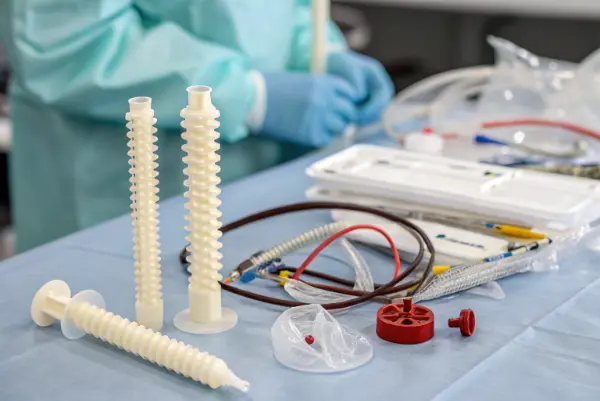
It is fun to see how these plastic dots turn into real things that save lives. Over the last 15 years at CavityMold, I have helped make tools for many different medical parts. Let me show you what people make with these two materials.
Common PLA Medical Parts
Because PLA is hard and goes away on its own, doctors love it for fixing broken bones. Think about a small child with a broken finger. If the doctor uses metal pins, the child needs another scary surgery to pull the pins out. But if the doctor uses PLA pins, the bone heals, and the pin just turns into water and gas inside the body. The child never feels it. Doctors also use PLA for thick stitches inside the stomach after an operation. The body eats the stitches safely.
Common TPU Medical Parts
TPU is everywhere in a hospital room. If you look closely, almost every clear, bouncy tube is made of TPU. When a patient needs extra blood, the blood sits in a clear bag. That bag is often made of TPU. It must be tough so it does not pop if it drops on the floor. A catheter is a long tube that goes into the body. It must bend around corners inside the human body without scratching the inside of the patient. TPU is perfect for this.
Parts Match Table
Here is a guide to show what parts use what plastic:
| Medical Part | Material Used | Why this material works best |
|---|---|---|
| Bone Screws | PLA | Holds bone tight, then melts away safely |
| Blood Bags | TPU | Very tough, will not burst or pop open |
| Internal Stitches | PLA | Strong enough to hold cuts, then disappears |
| Breathing Tubes | TPU | Very soft, bends easily, does not kink |
Knowing this helps you talk to your design team. You can look at a new drawing and say right away if it needs PLA or TPU. This saves everyone a lot of time.
How do you choose between PLA and TPU for your next medical project?
Picking between PLA and TPU can completely freeze your project. Make a bad choice, and your whole mold design might fail. At CavityMold, we guide project managers like you to make the right pick quickly and safely.
Choose PLA if your part needs to be hard, hold its shape firmly, or dissolve inside the patient’s body over time. Choose TPU if your part must bend easily, stretch a lot, or stay tough against rubbing. Your choice always depends on if the part needs to be hard or soft.

Making the final choice is a big step. Once you pick the material, we start cutting the heavy steel mold. You cannot change your mind later without losing a lot of money. I always tell my clients to ask themselves three simple questions.
Question 1: Does the part need to stay forever?
If the part must do a short job inside the body and then go away, you must pick PLA. TPU will stay there forever. If you need a permanent tube or a bag that you will throw in the trash later, pick TPU.
Question 2: Does the part need to be hard or bouncy?
If you push the part with your finger and it needs to feel like a hard rock, pick PLA. If you push the part and it needs to feel like a soft rubber band, pick TPU. This is the easiest way to decide.
Question 3: How will we make the mold?
This is where I help you the most. PLA flows like thick honey when it gets hot. We need to make big doors in the mold to let it inside. It cools down slowly. TPU is very sticky when it is hot. We need to polish the steel mold very nicely so the TPU does not stick to the metal when we try to push it out.
| Decision Rule | Pick PLA | Pick TPU |
|---|---|---|
| Needs to disappear? | Yes | No |
| Softness needed? | None, must be hard | High, must be soft |
| Mold cooling speed | Slower | Faster |
| Sticking risk in mold | Low | High (needs good polish) |
If you remember these simple rules, you will never pick the wrong material. Your team will trust your choices, and your medical parts will come out perfect every single time.
Conclusion
Medical-grade PLA and TPU are amazing plastics that keep hospital patients very safe. You must always follow strict rules like ISO 10993 to use them. At CavityMold, we know exactly how to mold these tough plastics perfectly. Contact us today to build safe medical molds!