
Home / Mold Making
Custom Plastic Injection Mold Making from Design to T1
Custom mold making turns an approved product and tooling concept into a maintainable tool for real production. The scope covers steel and components, CNC and EDM machining, fitting, assembly, trial molding, documented changes, cleaning, packing, and delivery.
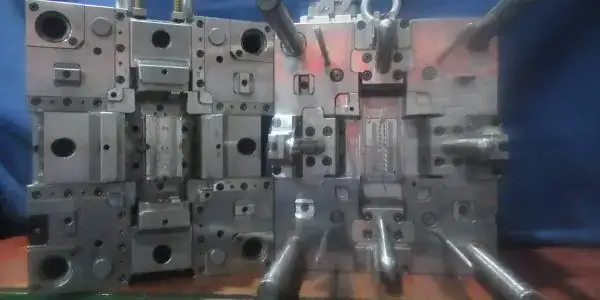
Construction choices that affect production
Core, cavity, and inserts
Plan the main steel, interchangeable details, shutoffs, wear areas, and replacement strategy around the resin, volume, finish, and maintenance plan.
Slides, lifters, and ejection
Resolve undercuts, release, movement, alignment, ejector access, and the risk of marks or deformation on the molded part.
Cooling and runner system
Review cooling access, temperature control, gate and runner approach, and the service implications of cold- or hot-runner tooling.
Assembly and fitting
Check alignment, movement, shutoff condition, parting surfaces, component fit, and access for inspection and maintenance.
From RFQ to shipment
01
Technical review
Review CAD, drawing, resin, volume, finish, tolerances, timing, and any customer standard.
02
DFM approval
Confirm parting lines, gates, cooling, ejection, steel, components, and maintenance access before machining.
03
Steel and components
Prepare the specified steel, mold base, standard components, inserts, electrodes, and other approved items.
04
CNC, EDM, and finish
Machine, grind, polish, texture, fit, and assemble the components needed by the approved construction.
05
T1 and review
Run initial samples and review filling, cooling, appearance, dimensions, fit, ejection, and function.
06
Change control
Document the required change, modify the tool, repeat the relevant checks, and confirm the approval point.
07
Delivery support
Clean, protect, pack, ship, and discuss production-start, maintenance, or future modification needs.
Steel and service-life decisions need evidence
The right steel depends on resin additives, corrosion and wear exposure, volume, polish or texture, geometry, dimensional stability, budget, and maintenance. A specific shot-life promise is not made without reviewing the part, resin, tooling construction, cycle conditions, and maintenance plan. Request the steel and heat-treatment documents required for your project scope.
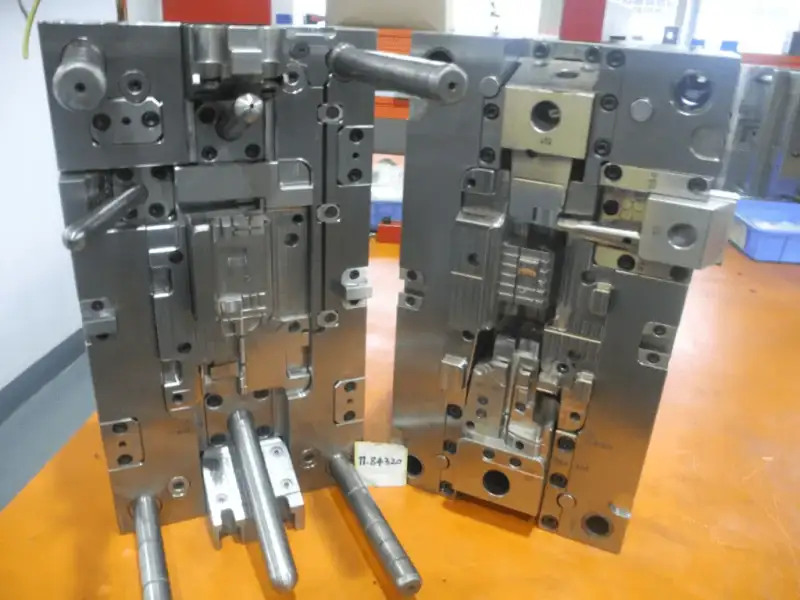
A mold is a production asset, not only a one-time purchase
Designing for cleaning, wear-part replacement, inspection access, and future modifications helps a production team manage the tool after delivery. Ownership, spare parts, maintenance responsibility, sample approval, and change costs should be written into the current commercial documents. See transfer and modification when the tool already exists.
Ready to review a new mold?
Send the part files, resin, expected volume, quality requirements, timing, and delivery destination for a tooling-scope discussion.
For early-stage tooling planning, use the Injection Mold Cost Estimator to frame cavity count, steel, and budget questions.