Injection Mold Engineering and DFM Services
Cavity Mold provides injection mold engineering and DFM support for product designers, mechanical engineers, sourcing managers, OEMs, startups, and procurement teams. Based in Shenzhen, China, the team reviews plastic product concepts, 2D drawings, and 3D CAD models before tooling is released for manufacture.
The purpose of this engineering review is practical: identify manufacturability risks early, make tooling decisions easier to approve, and reduce avoidable mold changes or production problems. Support can cover preliminary DFM discussion, injection mold design, Mold Flow analysis, prototype machining or 3D printing, dimensional inspection, and tooling project coordination.


Engineering Support Before Tooling
Good tooling decisions are made before steel is cut. An engineering review starts with the information available for the part and production plan, including:
- 2D drawings, 3D CAD geometry, and critical dimensions
- Plastic resin, grade, color, shrinkage information, and expected annual volume
- Surface-finish, texture, appearance, fit, and functional requirements
- Target timing, assembly concerns, and any known production risks
Reviewing these inputs early helps connect the product requirements with the mold structure, likely tooling complexity, and the approval points needed before machining begins.
DFM and Manufacturability Review
A DFM review looks at how the plastic part can be filled, cooled, ejected, inspected, and maintained after the mold enters production. Depending on the part and project scope, the review may cover:
- Parting-line strategy, shutoffs, draft angles, and undercuts
- Wall thickness, transitions, ribs, bosses, sink marks, and warpage risks
- Gate and runner locations, weld-line risk, air traps, and filling behavior
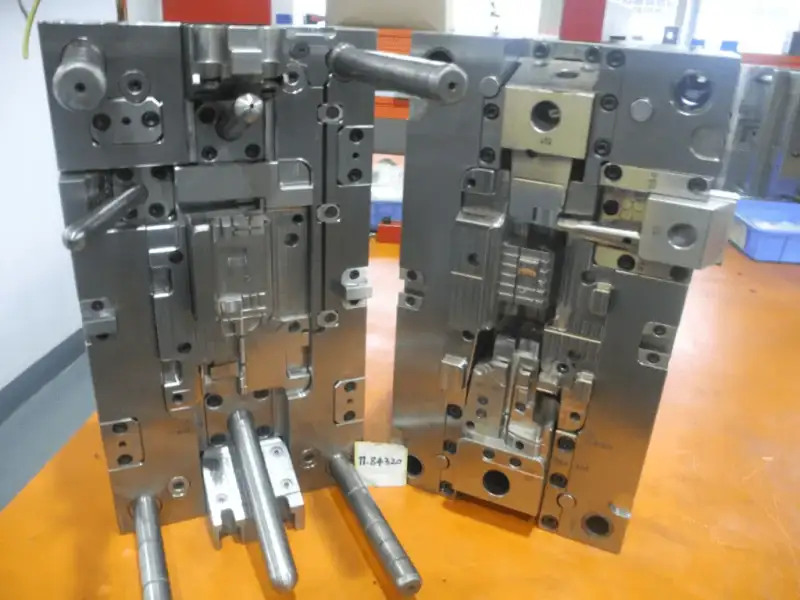
- Cooling layout, ejection, sliders, lifters, inserts, and access for maintenance
- Surface finish, critical tolerances, shrinkage assumptions, and component fit
- Tooling complexity, expected volume, tool-life considerations, and cost impact
The practical result is a clearer set of design decisions before the mold is released for manufacturing. Where a change is recommended, the reason and likely tooling effect can be discussed with the customer before approval.
For the next manufacturing steps, see our custom mold making and CNC and EDM machining services.
Plastic Product and Mold Design
Engineering support can connect the plastic product with the mold that will produce it. Depending on the project, the design discussion may include:
- Plastic part geometry, draft, wall thickness, ribs, bosses, and transitions
- Cavity and core layout, parting lines, shutoffs, sliders, lifters, and inserts
- Gate and runner approach, cooling circuits, and ejection systems
- Hot-runner or cold-runner considerations based on the part, material, volume, and customer requirements
- Steel and component choices, assembly access, inspection points, and future maintenance
Customers can send the file formats already listed by Cavity Mold, including STEP, IGES, DWG/DXF, PDF, SolidWorks, Pro/ENGINEER, and Parasolid X_T files. If a project uses another format, confirm compatibility with the engineering team before sending the final package.
The team can also coordinate the next stages through injection molding support when the project scope includes molded parts.
Mold Flow Analysis, Verification and Prototyping
Mold Flow or process analysis can be useful when part geometry, material behavior, appearance, tolerance, or production volume creates questions that are difficult to answer from geometry alone. An analysis may help evaluate:
- Filling behavior and gate-location options
- Weld-line risk and possible air-trap locations
- Cooling balance and cycle-related concerns
- Shrinkage, warpage, and dimensional risk
The appropriate level of analysis depends on the part geometry, plastic resin, tolerances, surface requirements, and project decisions that need evidence. Analysis is used to support engineering judgment; it does not replace T1 sampling or production validation.
Prototypes and verification
Prototype machining and 3D printing can help evaluate shape, fit, function, and assembly before final tooling. Dimensional inspection and sample review can then compare the available parts with the approved requirements. Prototype parts are a design checkpoint, not a substitute for validating a production mold and process.
After the mold is built, T1 and injection molding support can help evaluate filling, cooling, appearance, fit, and dimensions before production approval.
Tooling Engineering and Project Management
Engineering decisions remain connected to the project schedule through visible technical checkpoints. Cavity Mold can coordinate:
- Technical questions and preliminary manufacturability feedback
- Design reviews and customer approval of the mold design
- Manufacturing milestones, machining, assembly, and fitting
- T1 trials, sample review, and documentation of required changes
- Mold modifications, re-checks, shipment preparation, and production-start support
This workflow helps international customers understand what has been decided, what still needs approval, and what information is required for the next step. It also keeps engineering concerns connected to tooling cost, timing, quality, and future maintenance.
You can review related work in the plastic mold projects section and learn more about the manufacturing stages through our mold making service.
Information to Send for an Engineering Review
For an initial engineering discussion, send as much of the following information as is available:
- 3D CAD file, preferably a current solid model
- 2D drawing or PDF with critical dimensions and tolerances
- Plastic material, grade, color, and shrinkage information if available
- Annual or expected order volume
- Surface finish, texture, appearance, fit, and functional requirements
- Target timing, launch date, or other schedule constraints
- Known production, assembly, packaging, or maintenance concerns
If the design is still developing, send the current version and identify the open decisions. The team can then focus the review on the risks that matter most to the project.
Common Injection Mold Engineering Questions
What does an injection mold engineering review include?
It may include a review of part geometry, resin, volume, tolerances, surface requirements, parting lines, draft, gates, cooling, ejection, undercuts, and maintenance considerations before tooling is released.
Can Cavity Mold review a design before the mold is released?
Yes. Customers can discuss the product design and manufacturability before mold manufacturing starts. The specific review scope depends on the information and project requirements provided.
What files are needed for a DFM review?
Send a 3D CAD model, 2D drawing or PDF, material information, expected volume, critical tolerances, surface requirements, and target timing. Supported file types should be confirmed for unusual formats.
Can Cavity Mold help with draft, gates, cooling, and ejection?
These are among the tooling topics that can be considered during a mold engineering and DFM discussion, together with parting lines, undercuts, sliders, lifters, inserts, and maintenance access.
When is Mold Flow analysis useful?
It can be useful when filling, gate location, weld lines, air traps, cooling, shrinkage, or warpage require additional process analysis. The need depends on the geometry, resin, tolerances, and project decisions.
Can Cavity Mold support prototypes and T1 sample review?
The current Engineering page describes prototype machining, 3D printing, dimensional inspection, and sample review. T1 and production support should be confirmed for the specific project scope.
For more answers, visit the injection molding FAQ or send your project details through the Contact page.