
How to Determine Interior Wall Thickness for Injection Molding
Key takeaway: Interior wall thickness should be determined from resin flow, cooling, ribs, bosses, draft, strength, shrinkage, ejection, and the actual service requirement.
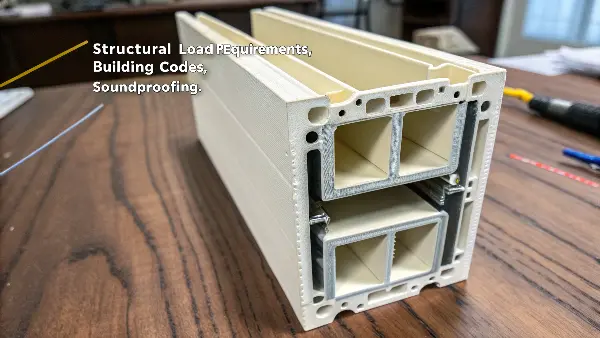
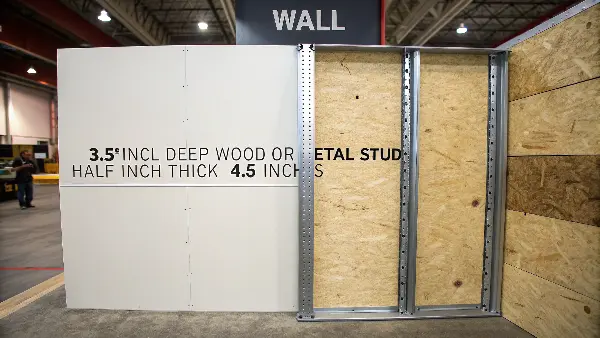
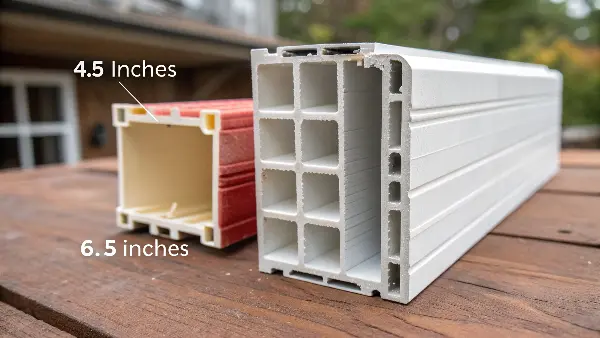
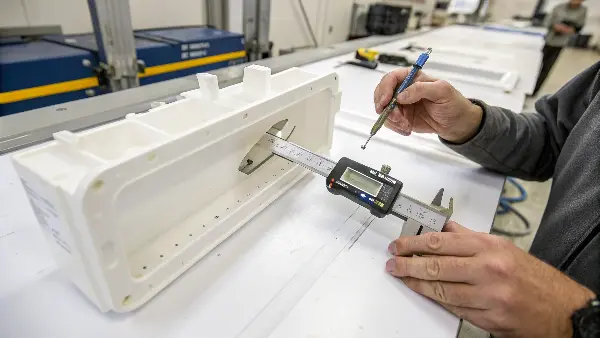
Start with performance and flow
Interior wall thickness is a design variable, not a universal number. Define loads, impact, sealing, temperature, chemical exposure, appearance, assembly, and expected service life. Then review resin flow length, cooling, shrinkage, ejection, and the way ribs, bosses, corners, and openings change stiffness and fill behavior.
Use the resin supplier’s data and a part-specific DFM or flow review. A wall that is adequate in a short, supported section may be unsuitable when the same thickness must fill a long path or carry a load.
- Set functional requirements before choosing thickness.
- Map flow length, thickness transitions, ribs, bosses, and corners.
- Consider moisture or conditioning effects when relevant to the resin.
Avoid thickness changes that create defects
Abrupt interior transitions can cause hesitation, sink, voids, warpage, weld lines, or uneven cooling. Keep the nominal wall as consistent as the function allows, use gradual transitions, and size ribs or bosses so they support the design without creating an excessive local mass.
Draft and ejection also belong in the decision. A wall that fills well but cannot release without damage is not a manufacturable solution.
- Blend transitions and support corners deliberately.
- Review draft, texture, ejection, and tool access.
- Validate the actual gate and cooling strategy.
Validate the chosen section
Prototype or trial the production-intent material and geometry, then measure dimensions, weight, warpage, assembly, and functional performance. If the wall is changed, update the model, mold review, process window, and test plan together. The best thickness is the smallest section that meets verified requirements with a robust manufacturing window.
- Use representative conditions and acceptance criteria.
- Check both nominal performance and variation.
- Document the rationale so future revisions do not repeat the analysis.
Frequently Asked Questions
Is there one correct interior wall thickness?
No. The correct section depends on performance, resin, flow length, cooling, geometry, ejection, shrinkage, and the process window.
Why can a thicker wall create problems?
Extra mass can increase sink, voids, cooling time, differential shrinkage, and warpage, especially around ribs and bosses.
What should be checked after changing thickness?
Recheck flow, cooling, ejection, dimensions, weight, warpage, assembly, and the relevant functional tests.
Need a part-specific review? Share the 3D model, resin or grade, annual volume, finish requirement, tolerance concerns, and target launch date through our contact page. We can then align DFM, mold design, process, inspection, and delivery assumptions.
Sources and further reading
- Protolabs: Thin-wall injection molding
- Stratasys: Injection molding design guidelines
- Protolabs: Injection molding guide
Related Cavity Mold Services
For a connected review of design, tooling, molding, and launch requirements, see our engineering service, mold-making service, injection molding service, or contact our team.