
How Long Does It Take to Make a Plastic Injection Mold?
Answer in one sentence: Plastic injection mold lead time depends on part complexity, cavity count, steel, finish, side-actions, EDM, validation, supplier capacity, engineering changes, and logistics—not one fixed number.
Engineering scope: This guide separates design assumptions, process controls, inspection evidence, and buyer decisions so the recommendation can be verified on the actual resin, mold, machine, and production requirement.

Why one lead-time number is unreliable
A simple single-cavity tool with stable CAD and a standard finish has a different critical path from a high-cavitation tool with slides, tight steel, optical polishing, complex cooling, validation, or multiple design changes. Supplier queue, holidays, shipping, and customer approvals also affect the calendar.
Typical schedule stages
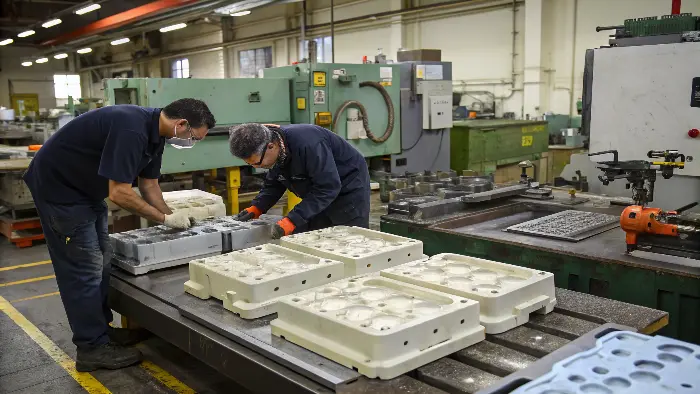
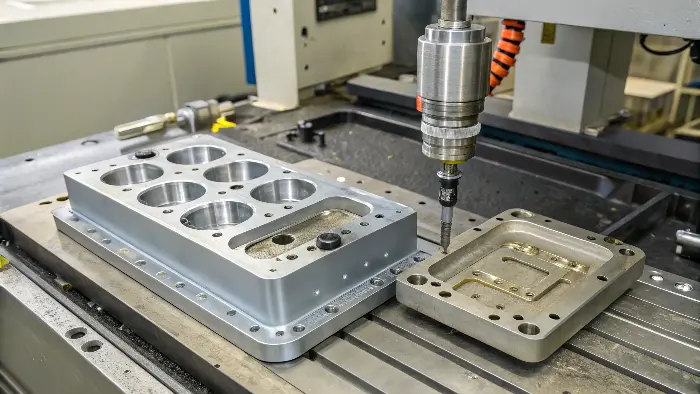
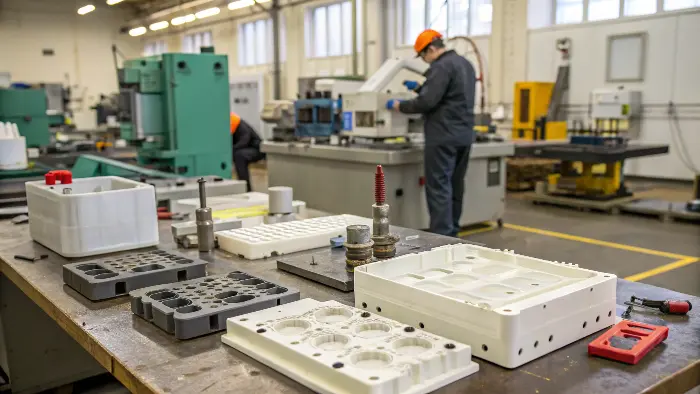
A responsible plan separates DFM and quotation, tool design approval, steel and component procurement, rough and finish machining, EDM or special features, polishing or texture, assembly, first trial, inspection, corrections, re-trial, final approval, and shipment. Some stages overlap; others cannot start until an approval or measurement is complete.
The biggest schedule drivers
Cavity count, side-actions, lifters, tight tolerances, mirror or texture finish, special steels, cooling complexity, insert availability, runner choice, machine trial access, inspection requirements, and late CAD changes can move the critical path. Expediting one operation may simply move the queue to inspection or correction.
How to make a schedule credible
Request a milestone plan with owner, dependency, evidence, and decision date. Define what counts as first trial, what sample and report are included, how corrections are approved, and how changes affect the baseline. A short schedule without a validation allowance is not necessarily a fast schedule—it may be incomplete.
Frequently Asked Questions
How long does a plastic mold take?
There is no universal duration. The schedule is driven by geometry, cavities, steel, finish, mechanisms, inspection, supplier capacity, approvals, corrections, and logistics.
What usually causes mold delays?
Late design changes, unclear tolerances or finish, component procurement, complex slides or EDM, supplier queue, trial defects, inspection corrections, and slow approvals are common causes.
Can a mold be expedited safely?
Some work can be parallelized, but expediting may add cost or move risk into skipped reviews, trial, inspection, or maintenance. Define the evidence that cannot be removed.
What should a lead-time quote include?
Include DFM, design approval, procurement, machining, EDM, finish, assembly, trial, inspection, correction, re-trial, final approval, shipping, assumptions, and customer decision dates.
Related Cavity Mold Services
Engineering and DFM; Mold making; Plastic injection molding; Contact Cavity Mold.
For a drawing, resin, tolerance, finish, cavity-count, or process-window review, contact Cavity Mold.