
How Plastic Injection Molds Are Manufactured
Answer in one sentence: Plastic injection molds are typically manufactured through DFM and steel selection, design, machining, EDM, finishing, assembly, trials, inspection, and release.
Engineering scope: This guide separates design assumptions, process controls, inspection evidence, and buyer decisions so the recommendation can be verified on the actual resin, mold, machine, and production requirement.
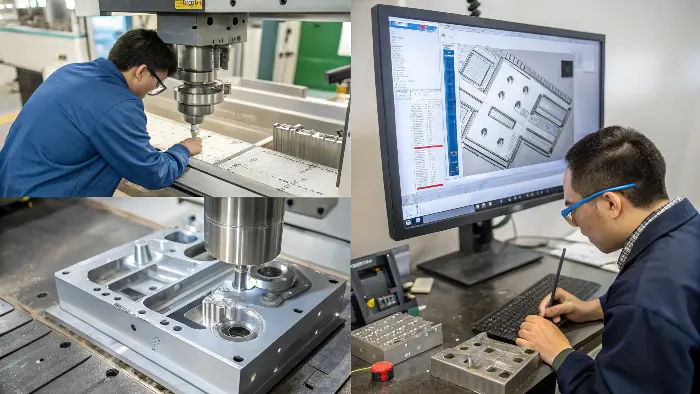
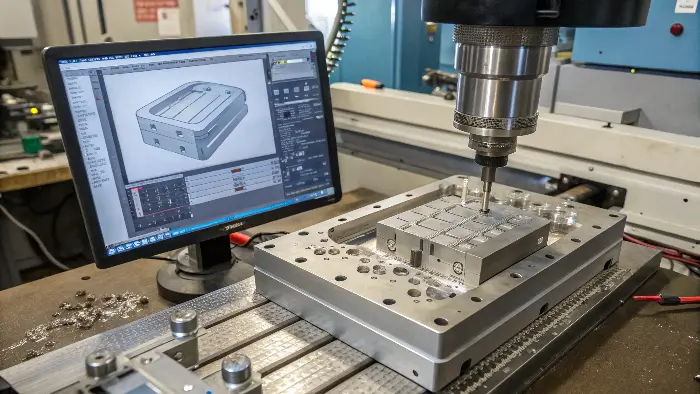
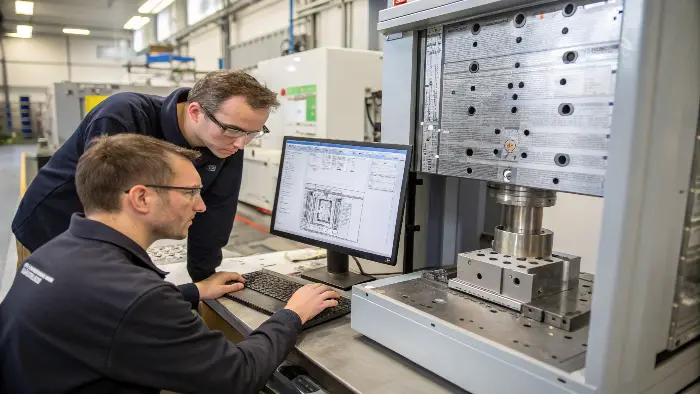
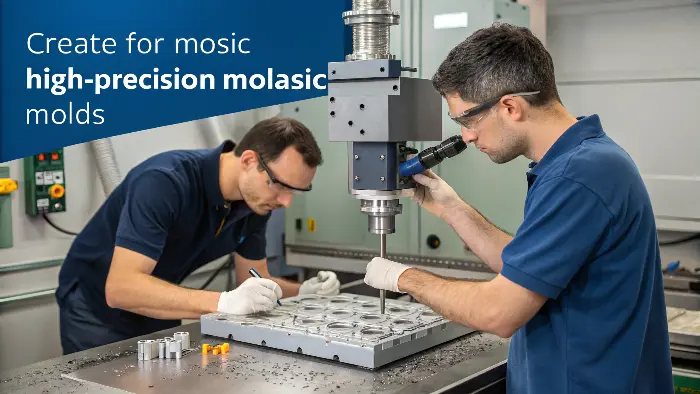
The manufacturing route starts with the part
A mold project normally begins with 3D CAD, 2D drawing, resin and shrinkage information, volume, finish, tolerance, machine constraints, and a DFM review. The tool designer then develops parting, core and cavity, gates, runners, vents, cooling, ejection, inserts, and any side-actions or lifters.
From steel to finished features
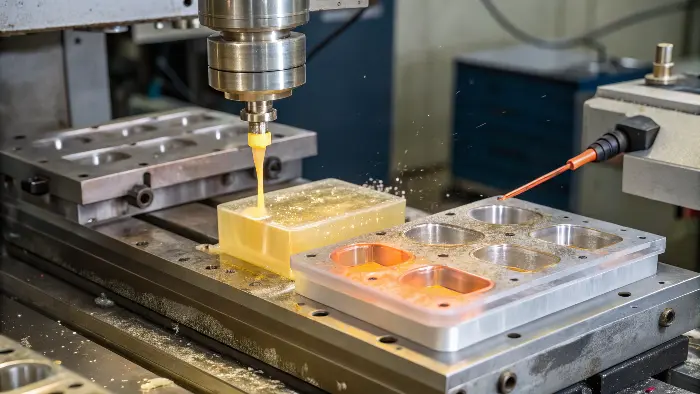
After material and plate decisions, the mold components may be rough-machined, heat-treated where specified, finish-machined, ground, wired or sinker-EDM machined, drilled, polished, textured, and inspected. The exact sequence depends on steel, feature, tolerance, surface, and supplier process; not every mold uses every operation.
EDM and polishing are not substitutes for good design. Electrode strategy, access, corner radii, surface specification, and measurement must be planned so the final cavity matches the intended part and release behavior.
Assembly, trial, and correction
Components are fitted and aligned, cooling and ejection are checked, and the mold is trialed with the specified or representative material. First samples are measured for dimensions, flash, gate, appearance, function, and cavity balance. Corrections should be recorded against the drawing revision and approved before production release.
Evidence to request from a supplier
Request the tool design review, steel and heat-treatment records where applicable, machining or EDM inspection, surface-finish report, assembly check, trial records, dimensional report, punch list, spare-parts list, and maintenance instructions. This is more useful than a generic claim that a mold is ‘precision made.’
Frequently Asked Questions
What is the first step in manufacturing a plastic mold?
Start with part, material, volume, tolerance, finish, machine, and quality requirements, then complete DFM and mold architecture before machining steel.
Are all plastic molds made with CNC and EDM?
Many use a combination of machining and EDM, but the route depends on geometry, steel, tolerance, finish, access, and supplier equipment.
Why are mold trials necessary?
They reveal actual filling, cooling, shrinkage, flash, ejection, appearance, cavity balance, and functional behavior that cannot be proven by CAD alone.
What records should a buyer retain?
Keep approved drawings, steel and material records, inspection, trial samples and reports, corrections, maintenance instructions, spare parts, and final acceptance documentation.
Related Cavity Mold Services
Engineering and DFM; Mold making; Plastic injection molding; Contact Cavity Mold.
For a drawing, resin, tolerance, finish, cavity-count, or process-window review, contact Cavity Mold.