
How to Become a Successful Injection Mold Designer
Answer in one sentence: A successful injection mold designer combines product design literacy, mold mechanics, flow and cooling, DFM, CAD and CAE, manufacturing, trial learning, communication, and documentation.
Engineering scope: This guide separates design assumptions, process controls, inspection evidence, and buyer decisions so the recommendation can be verified on the actual resin, mold, machine, and production requirement.
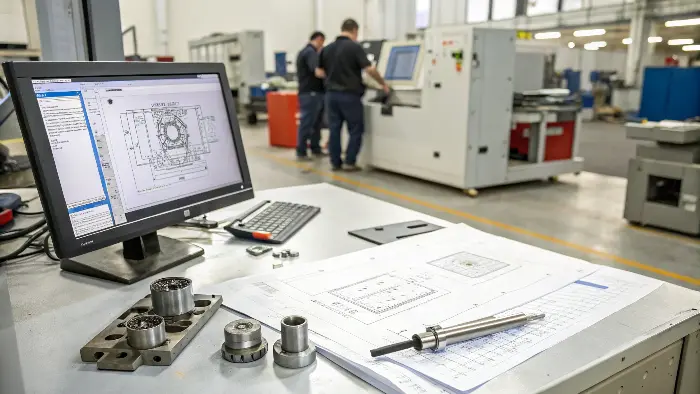
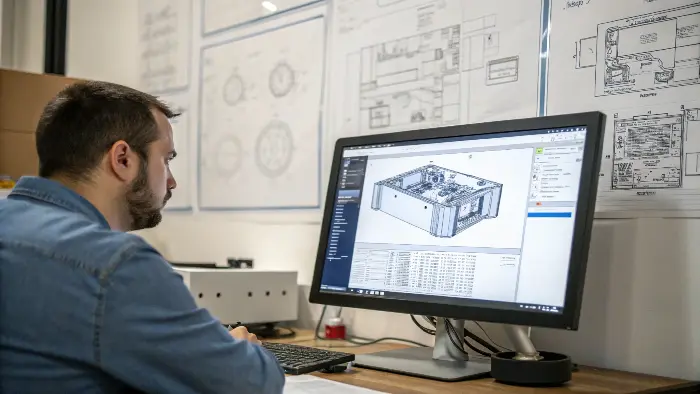

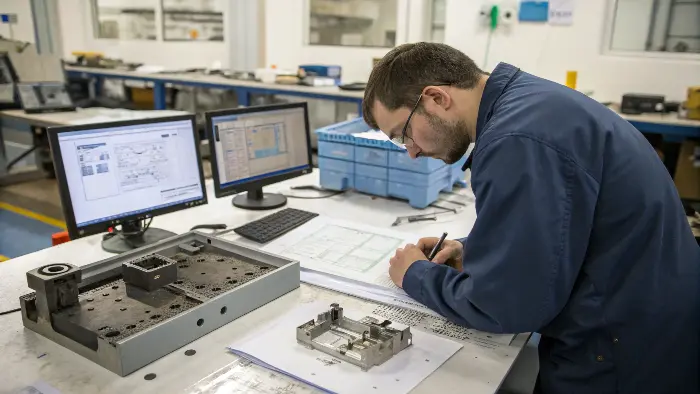
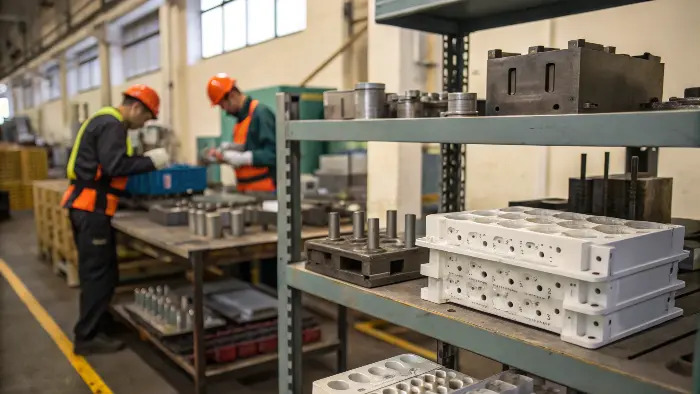
Think like a product and process engineer
A mold designer is not only drawing steel. The design must form the required geometry, fill and cool with acceptable risk, release without damage, fit the machine, support inspection, and remain serviceable over its expected life. Product function, material, volume, tolerances, finish, and quality evidence belong in the design discussion.
Core technical capabilities
Develop competence in parting direction, draft, radii, shrinkage, gates, runners, vents, cooling, ejection, inserts, slides, lifters, steels, heat treatment, surface finish, tolerancing, GD&T, and mold assembly. Add flow and cooling analysis where it changes a real design decision.
Learn how machining, EDM, polishing, grinding, heat treatment, measurement, and mold trials constrain what can be built. A design that looks complete in CAD may still be inaccessible, impossible to inspect, or difficult to maintain.
Use evidence to improve
Keep design reviews, trial reports, defect maps, dimensional reports, repair records, and lessons learned. Compare predicted and actual filling, cooling, shrinkage, flash, ejection, and wear. This creates experience that is transferable instead of relying on memory or isolated fixes.
Communicate decisions clearly
A strong designer explains assumptions, alternatives, risks, and open decisions to product, process, manufacturing, quality, and purchasing teams. Use revision-controlled drawings, interface lists, critical-feature maps, and clear approval gates.
Frequently Asked Questions
What should a beginner learn first?
Start with injection molding cycle, part design, draft, wall thickness, parting lines, gates, vents, cooling, ejection, materials, and basic mold construction before advanced mechanisms.
Is CAD skill enough to become a mold designer?
No. CAD is a tool. Successful design also requires flow, thermal, machining, inspection, material, maintenance, trial, and communication knowledge.
How can a designer gain practical experience?
Study trial and inspection reports, observe machining and assembly, participate in DFM and tool reviews, compare CAE predictions with parts, and document lessons from repairs and changes.
What distinguishes a production-ready design?
It forms the part, fits the machine, can be built and measured, has a maintenance path, controls known risks, and includes revision-controlled evidence and approvals.
Related Cavity Mold Services
Engineering and DFM; Mold making; Plastic injection molding; Contact Cavity Mold.
For a drawing, resin, tolerance, finish, cavity-count, or process-window review, contact Cavity Mold.