
Analyzing Injection Mold Temperature Settings
Key takeaway: Injection mold temperature settings should be analyzed through resin data, filling, cooling, cycle, warpage, surface quality, start-up stability, sensors, and production trials.
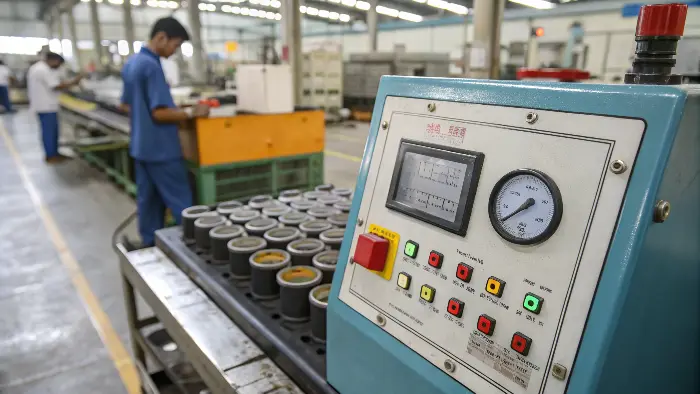
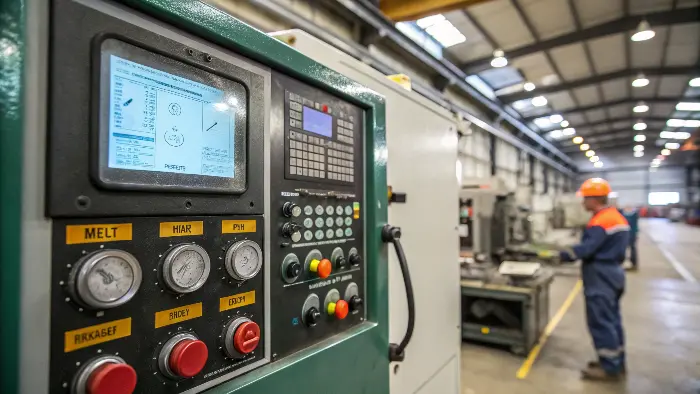
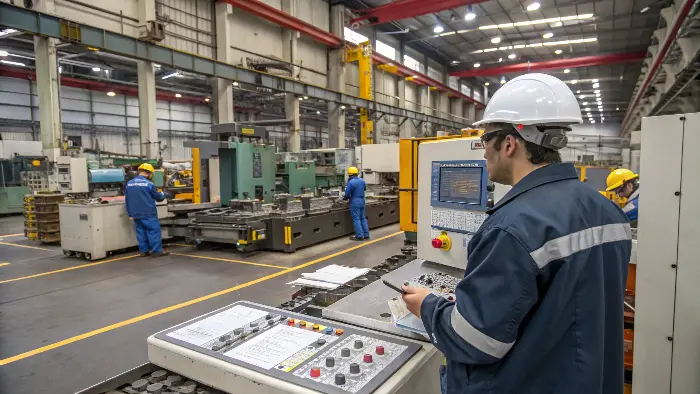
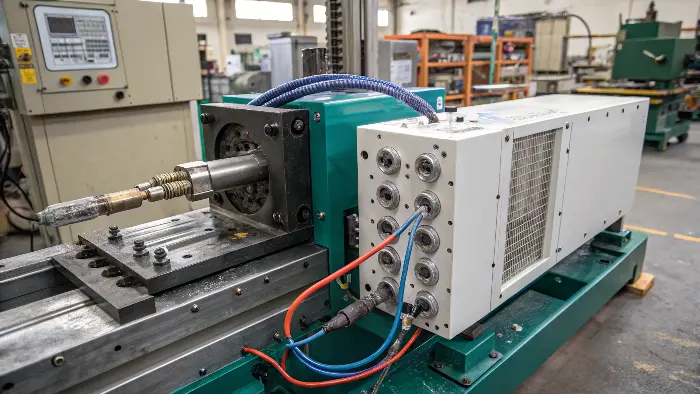
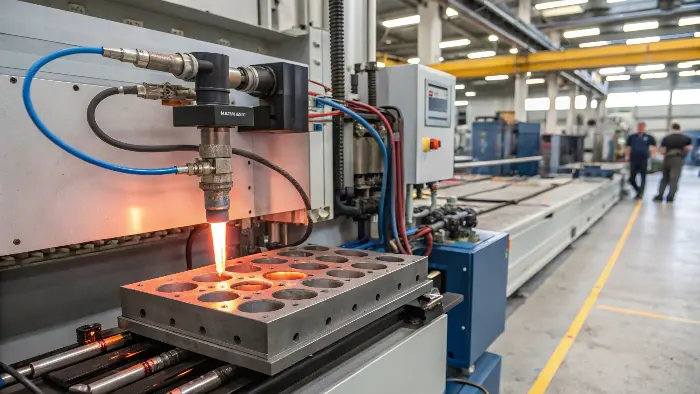
Temperature is a system, not one number
‘Mold temperature’ may mean controller setpoint, supply temperature, return temperature, cavity surface temperature, or an average across zones. Analyze the actual thermal condition that affects filling, replication, shrinkage, warpage, cycle, and part release.
Start with the resin supplier’s processing guidance, then review part geometry, wall thickness, gate, cooling layout, machine, cycle, and cosmetic requirements. A higher or lower setting is not automatically better; the useful target is a stable, validated window.
Use analysis to connect heat to defects
Cooling analysis can help evaluate heat transfer, cooling time, cycle, mold temperature, and tool or part design. Molding-window concepts can help frame preliminary melt and mold temperatures, while transient analysis highlights start-up and stabilization behavior.
Check actual sensors and flow rates, balance zones, verify water circuits, and record temperature stability during a trial. Warpage, gloss, weld-line appearance, sink, short shot, and ejection force can all respond to the thermal profile.
Validate at production conditions
Run a structured trial with stable material drying, defined fill and pack settings, recorded zone temperatures, and consistent measurement. Confirm the setting with dimensional, cosmetic, functional, and cycle results, then document the limits and response when a zone drifts.
Frequently Asked Questions
Is the controller setpoint the same as the cavity temperature?
Not necessarily. Supply, return, sensor location, flow, thermal losses, tool design, and start-up state can make the actual cavity condition different from the setpoint.
How does mold temperature affect part quality?
It can influence filling, surface replication, weld lines, shrinkage, warpage, cycle time, residual stress, and ejection. The effect depends on resin, geometry, cooling, and process settings.
When is a temperature setting validated?
After representative trials show stable thermal conditions and acceptable dimensional, cosmetic, functional, and cycle results within documented limits.
Related Cavity Mold Services
Engineering and DFM; Mold making; Plastic injection molding; Contact Cavity Mold.
Have a drawing, resin, finish, volume, or quality requirement to review? Contact Cavity Mold for a project discussion.