
Key takeaway: Injection molded color variation should be investigated through masterbatch dispersion, resin lot, dosage, drying, temperature, shear, residence time, mixing, measurement, and mold balance.
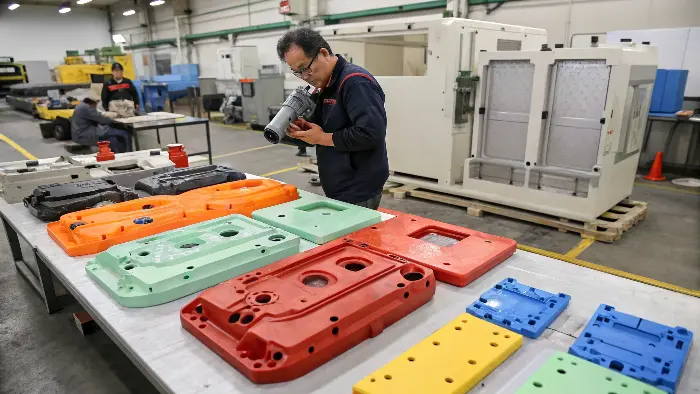
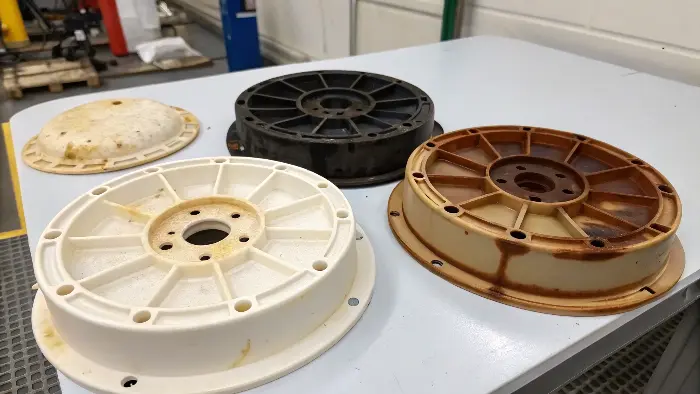
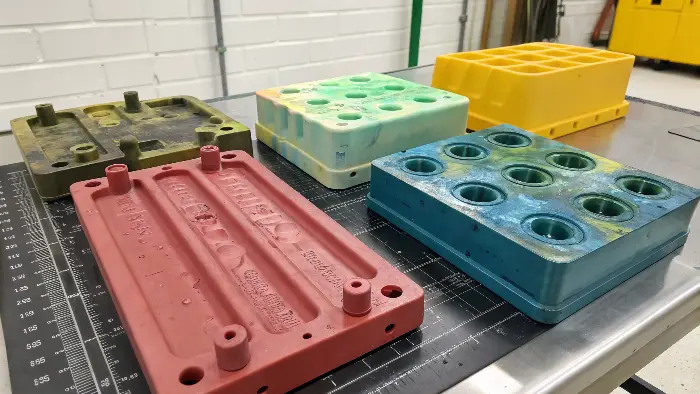
Start with measurement and the defect map
Before changing a process setting, confirm that the measurement method, lighting, instrument calibration, sample location, and approved standard are consistent. Map the variation by cavity, flow direction, time, machine, resin lot, and operator so the pattern points to a cause.
Common causes of color instability
Poor dispersion, incorrect dosage, resin or masterbatch lot changes, moisture, excessive residence time, overheating, dead spots, insufficient mixing, or a changing regrind ratio can all create visible variation. Mold balance, wall thickness, weld lines, and cooling can change local gloss and therefore perceived color.
A controlled diagnosis changes one factor at a time and retains samples before and after the change. Do not solve a dispersion problem by simply increasing pigment concentration without checking material compatibility and the approved color tolerance.
A corrective-action sequence
Quarantine and identify suspect lots, verify feeder calibration and material ratios, confirm drying and material handling, inspect screw/barrel condition and purge history, review melt and mold temperatures, then run a short controlled trial. After the color is stable, update the work instruction, inspection plan, and change-control record.
Frequently Asked Questions
Why can identical settings produce different color?
Resin or masterbatch lots, moisture, dosage, residence time, screw condition, regrind, mold temperature, surface gloss, and measurement conditions may have changed even when the displayed settings are the same.
How can I tell color strength variation from gloss variation?
Measure consistent areas with the agreed instrument and lighting, compare a cut section or controlled plaque if needed, and examine the variation by flow, cavity, wall thickness, and surface condition.
What should be checked first when one cavity is a different color?
Check cavity balance, filling sequence, gate and runner conditions, cooling, venting, material distribution, and whether the samples were measured at the same location and orientation.
Related Cavity Mold Services
Engineering and DFM; Mold making; Plastic injection molding; Contact Cavity Mold.
Have a drawing, resin, finish, volume, or quality requirement to review? Contact Cavity Mold for a project discussion.
Reference material
Separate color drift from measurement drift
Color variation can come from the concentrate, resin lot, dispersion, thermal history, mold balance, surface, cavity, lighting, instrument, or sample conditioning. Lock the comparison method before making a correction.
| Decision | Evidence to review | Boundary |
|---|---|---|
| Sample identity | Record lot, cavity, shot time, location, thickness, surface, and conditioning. | Do not compare unlike samples and call the difference process drift. |
| Material route | Check resin, masterbatch, dosage, drying, mixing, regrind, purge, and contamination. | Material traceability is part of color control. |
| Machine and mold | Review residence, shear, melt history, gate balance, cooling, texture, and cavity variation. | Color can follow flow and surface history. |
| Measurement | Verify lighting, instrument, calibration, angle, standard, and operator method. | Instrument repeatability must be known before changing the process. |
Color-variation investigation
- Contain and label samples.
- Repeat a like-for-like measurement.
- Trace the change through material, machine, mold, and measurement records.
- Test one correction and verify across cavities or shots.
Use engineering to structure the evidence and keep the corrective action tied to the molding record.