
Key takeaway: Selecting color masterbatch for injection molding requires resin compatibility, dosage validation, color measurement, processing temperature, regrind, compliance, and supply continuity.
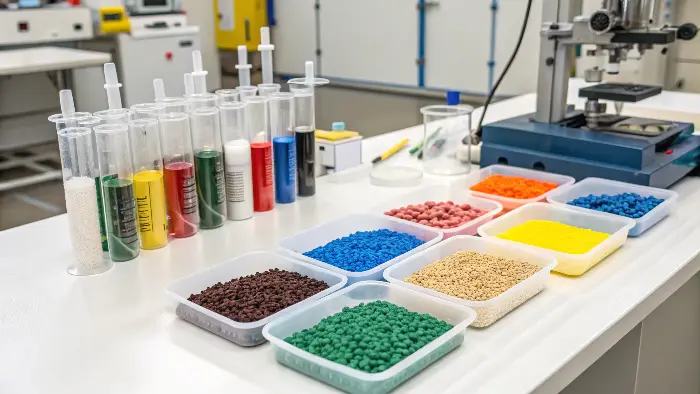
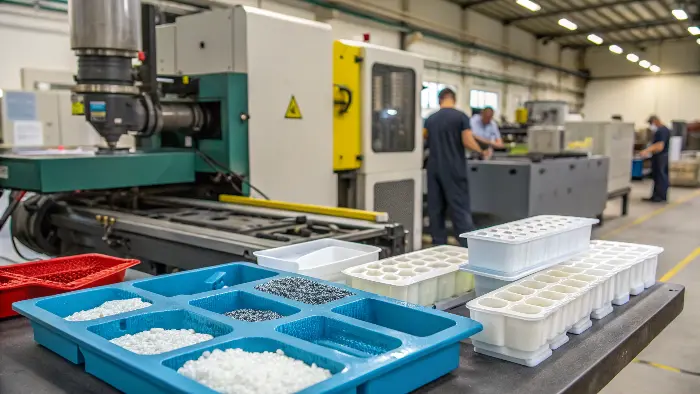
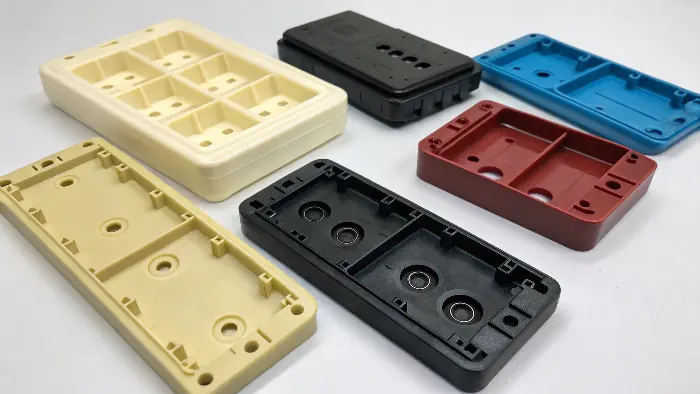

Step 1: Lock the resin and appearance target
Start with the exact resin grade, not only the polymer family. The grade’s melt behavior, additives, filler, drying, and processing temperature can affect color strength and dispersion. Define the appearance target using a physical standard or instrument measurement under a stated texture and gloss condition.
Step 2: Screen compatibility and dosage
Ask the masterbatch supplier to confirm carrier and polymer compatibility, recommended dosage range, pigment stability, and any restrictions for the end use. Trial more than one dosage point because the best visual match and the best opacity are not always at the same concentration.
Keep a record of lot, dosage, resin drying, machine, screw conditions, melt temperature, residence time, and molded sample. This converts a color conversation into a repeatable process window.
Step 3: Validate measurement, compliance, and supply
Measure approved samples with the agreed method and inspect the actual cosmetic zones. Review UV, heat, chemical, food-contact, medical, or other compliance requirements when applicable. Before production, confirm lead time, minimum order, lot consistency, shelf life, alternate sources, and the effect of regrind.
Frequently Asked Questions
How do I compare two masterbatch suppliers?
Compare resin compatibility, technical data, dosage validation, color measurement, compliance documentation, lot consistency, lead time, technical support, and contingency supply—not just price per kilogram.
Should color be approved on a plaque or the final part?
Use a controlled plaque or coupon for screening, then approve the final geometry or a representative part because wall thickness, texture, gloss, flow, and cooling can change appearance.
What information should be on the color approval record?
Record the resin grade, masterbatch identity and lot, dosage, machine and process conditions, measurement method, tolerance, lighting or geometry, and the approved sample.
Related Cavity Mold Services
Engineering and DFM; Mold making; Plastic injection molding; Contact Cavity Mold.
Have a drawing, resin, finish, volume, or quality requirement to review? Contact Cavity Mold for a project discussion.
Reference material
Make the color trial reproducible
The right color concentrate is the one that produces the required appearance and material behavior under the actual resin, dose, machine, mold, wall, surface, and measurement method. A sample chip alone cannot prove that fit.
RFQ and trial inputs
- Base resin, grade, color of natural resin, additives, regrind policy, and drying need.
- Target color standard, surface texture, gloss, part thickness, and viewing condition.
- Expected dosage range, machine or mold constraints, and purge or cleaning requirements.
- Acceptance method, sample identity, conditioning, and approval owner.
Trial sequence
- Record the resin and concentrate lot.
- Run the agreed dose and process condition.
- Measure color and inspect surface, weld lines, streaks, and properties.
- Approve, adjust, or reject with the reason recorded.
Bring the reference and measurement method to engineering and include them in the color discussion.