PMMA Injection Molding for Automotive Lighting

why is pmma so widely u

PMMA automotive lighting parts require optical-grade material control, dry resin, polished tooling, balanced filling, cooling, low stress, and validated appearance. Lenses, covers, and light guides must meet optical, dimensional, environmental, and assembly requirements at the same time.
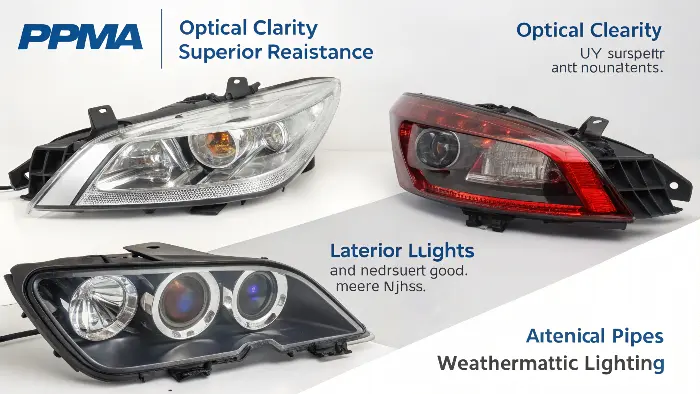
Comparison of PMMA and other plastics under UV exposure
Technician checking temperature settings on an injection molding machine
Diagram showing proper gate and vent design for a PMMA mold

Automotive lighting risks

  • Haze, bubbles, splay, contamination, weld lines, flow marks, and birefringence can affect light transmission or appearance.
  • Warp, sink, shrinkage, or cavity imbalance can change optical geometry and assembly fit.
  • Heat, UV, weathering, chemical exposure, vibration, and impact requirements may rule out a general-purpose grade.
  • Gate vestige, ejector marks, parting lines, and texture must be controlled in visible zones.

Tool and process controls

Use the exact optical-grade or heat-resistant PMMA data, controlled drying, clean material handling, polished steel, balanced gates, adequate venting, thermal balance, and a low-stress process window. Validate transmission, haze, color, beam or light distribution, dimensions, stress, and environmental performance according to the customer’s specification.

Supplier questions

Ask how the supplier measures optical performance, controls contamination, records resin lots, protects polished surfaces, and requalifies after a material, mold, or process change. A clear sample under one light is not a complete automotive approval.

Plan the next step

Share your part, resin, annual volume, critical dimensions, finish, and timing with the Cavity Mold team through our contact page. We can review the manufacturing risks and recommend a practical next step.

Related Cavity Mold resources

Technical references

Hey! I’m Jerry — a hands-on mold & CNC guy who’s spent years turning ideas into real, tangible products. From tight-tolerance molds to complex machining projects, I’ve seen (and solved) a bit of everything.

Beyond the tools and machines, I’m all about people: building trust, making things easier for clients, and finding smart solutions that work. I’ve worked with teams around the world, and I’m always excited to meet others who love creating and building as much as I do.

If you’re into manufacturing, product development, or just like a good behind-the-scenes look at how things get made — let’s connect!

Send Us Your Requirements

Let's review your mold project

Tell us what you’re building and we’ll help identify the right tooling path. Send your 2D drawing, 3D CAD file, resin, annual volume, tolerances, or target timeline when available.

Engineering-led reviewReply within one business dayConfidential project details

No obligation. We’ll review the information and reply with a practical next step. Prefer email? jerry@cavitymold.com.

Let's review your mold project

Tell us what you’re building and we’ll help identify the right tooling path. Send your 2D drawing, 3D CAD file, resin, annual volume, tolerances, or target timeline when available.

Engineering-led reviewReply within one business dayConfidential project details

No obligation. We’ll review the information and reply with a practical next step. Prefer email? jerry@cavitymold.com.

Let's review your mold project

Tell us what you’re building and we’ll help identify the right tooling path. Send your 2D drawing, 3D CAD file, resin, annual volume, tolerances, or target timeline when available.

Engineering-led reviewReply within one business dayConfidential project details

No obligation. We’ll review the information and reply with a practical next step. Prefer email? jerry@cavitymold.com.