
CNC machining removes material from a solid workpiece with computer-controlled cutting tools, so part geometry, material, datum strategy, tolerances, and tool access directly affect cost and quality. It is used for prototypes, fixtures, mold components, inserts, and production parts in metals and engineering plastics.
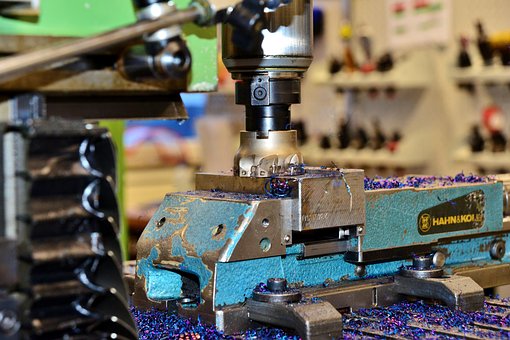
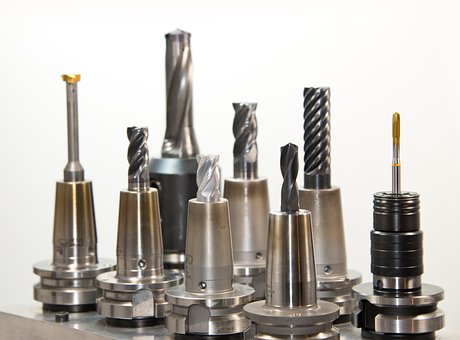
How CNC machining works
- A 3D CAD model and drawing define the geometry, material, tolerances, threads, finish, and inspection requirements.
- CAM software creates toolpaths for milling, turning, drilling, probing, and other operations.
- The workpiece is fixtured from a defined datum scheme and material is removed with selected cutters.
- Multiple setups may be required for underside features, angled faces, deep pockets, or tight positional relationships.
- The part is deburred, finished, measured, and documented against the drawing.
Material and process selection
| Part need | Typical consideration | Design implication |
|---|---|---|
| Low weight and heat transfer | Aluminum alloys | Efficient machining, but review thin walls, burrs, and surface finish |
| Wear, strength, or corrosion | Steel, stainless, or hardened alloys | Longer tool life planning, cutting forces, and possible secondary treatment |
| Low friction or electrical isolation | Engineering plastics | Control clamping, deflection, heat, and dimensional change |
| Fine detail | Small cutters, EDM, drilling, or specialized tooling | Deep narrow features increase time, deflection, and cost |
Tolerances, datums, and inspection
Specify tight tolerances only where fit, function, sealing, or alignment requires them. Use datums and GD&T to communicate relationships between holes, faces, and axes instead of applying narrow bilateral tolerances everywhere. Standard tolerances are material- and process-dependent; thin walls and soft plastics may move after cutting or release from the fixture.
Define whether inspection requires calipers, micrometers, pin or thread gauges, CMM, surface-roughness measurement, or a first-article report. The engineering team can translate functional requirements into a practical drawing, and the mold-making team can review CNC access for inserts and tooling components.
What increases CNC cost
- Very tight tolerances, complex GD&T, or many inspection characteristics.
- Deep pockets, thin walls, small internal radii, narrow slots, and long-reach tools.
- Multiple setups, 5-axis work, hard materials, difficult fixturing, or post-machining treatment.
- Special surface finishes, marking, threads, deburring, certificates, or low-volume repetition.
Provide the CAD file, drawing, material, quantity, tolerance-critical features, finish, and delivery requirement for a realistic quotation. Contact Cavity Mold if CNC machining is being used for mold inserts, electrodes, fixtures, or production parts.
Technical references
Protolabs’ CNC machining guide covers processes, materials, tolerances, finishes, and inspection options. The Protolabs tolerance guide explains why over-tolerancing increases cost and how material and geometry affect achievable accuracy.