
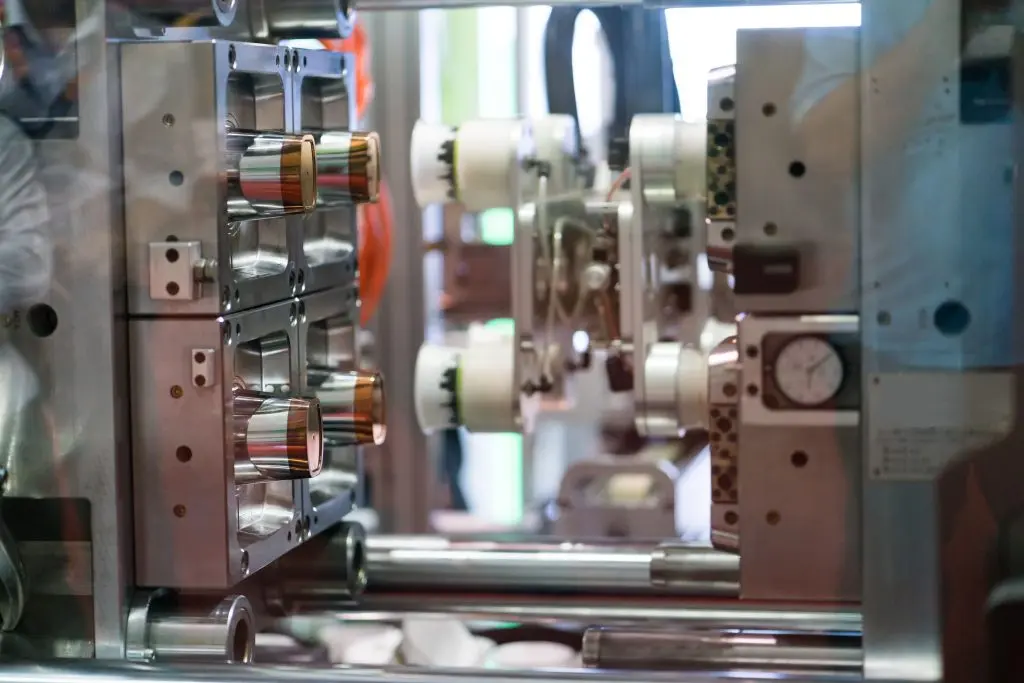
The right custom injection molding company is the one that can control the whole path from part design and DFM through tooling, molding, inspection, and repeat production. A low quote alone does not show whether a supplier can manage material variation, mold maintenance, engineering changes, or the quality records your project needs. Use the checklist below to compare capability against your part’s real risk.

What does a custom injection molding company provide?
Custom molding can include part manufacturability review, mold design, CNC and EDM machining, mold assembly, sampling, process development, production molding, inspection, and secondary operations. Some suppliers only mold parts; others build tools; some coordinate outside services. The important question is not whether a supplier lists every service, but who owns each handoff and how issues are documented.
For a buyer’s independent reference, the Plastics Technology Alliance supplier capability checklist emphasizes engineering capability, tooling documentation, quality systems, communication, and project fit. Use it as a comparison framework and then verify the answers with drawings, sample reports, and a controlled RFQ response.

How to compare molding suppliers before requesting a quote
1. Engineering and DFM depth
Ask the supplier to review draft, wall thickness, ribs, bosses, shutoffs, undercuts, parting line, gate, vents, cooling, and ejection. A useful DFM response identifies a risk, explains the consequence, and proposes an option. Generic approval language is not enough. The design review should also show how changes affect tooling cost, cycle time, appearance, and dimensional stability.
2. Tooling ownership and construction plan
Confirm who owns the tool, where it will be stored, who may authorize changes, and what happens if production moves. Request the mold specification: steel or insert material, cavity count, runner type, cooling and ejection concept, standard components, surface finish, and expected maintenance documentation. Avoid unsupported life promises; the actual result depends on resin, pressure, maintenance, corrosion, and use.
3. Material and process capability
The supplier should understand the exact resin grade, additives, moisture sensitivity, color, shrinkage, and end-use environment. Ask how material certificates, drying records, lot traceability, process parameters, and regrind rules are controlled. If the part uses TPE, glass-filled resin, PEEK, clear plastic, or another demanding material, request evidence of relevant process experience without accepting vague claims.

Quality questions that separate a quote from a production plan
| Area | Questions to ask |
|---|---|
| Inspection | Which dimensions are critical? What gauges, CMM, vision, or functional fixtures will be used? |
| Sampling | What will be measured at T1, what is the correction loop, and who approves the final sample? |
| Process stability | How are part weight, cycle, cavity balance, alarms, and first-off checks recorded? |
| Changes | How are CAD, resin, color, mold, and process changes reviewed and approved? |
| Maintenance | What cleaning, lubrication, vent, cooling, and spare-part records follow the mold? |
Ask for a sample inspection report with the dimensions and methods that matter to the part. A polished report with irrelevant measurements is less useful than a focused report that reflects the drawing and product function.
What to include in a custom injection molding RFQ
- 3D CAD, 2D drawing, revision level, material and color, annual demand, order batch, and target launch.
- Critical dimensions, tolerances, cosmetic surfaces, texture or polish, gate restrictions, and assembly interfaces.
- Expected mold ownership, cavity count, runner preference if known, sampling expectations, and inspection plan.
- Packaging, labeling, secondary operations, shipping destination, and documentation requirements.
- Known risks such as thin walls, inserts, clear surfaces, flexible materials, high-temperature resins, or tight flatness.
See Cavity Mold’s engineering page, mold-making service, and injection molding service to understand the scope that can be discussed in an RFQ. For project-specific review, send the drawing and requirements through Contact rather than requesting a price without the design inputs needed to price responsibly.