
High-Pressure Injection Molding Equipment: What Matters
Key takeaway: High-pressure injection molding equipment must match clamp force, injection pressure, shot size, speed, temperature control, repeatability, mold fit, and safety to the part.

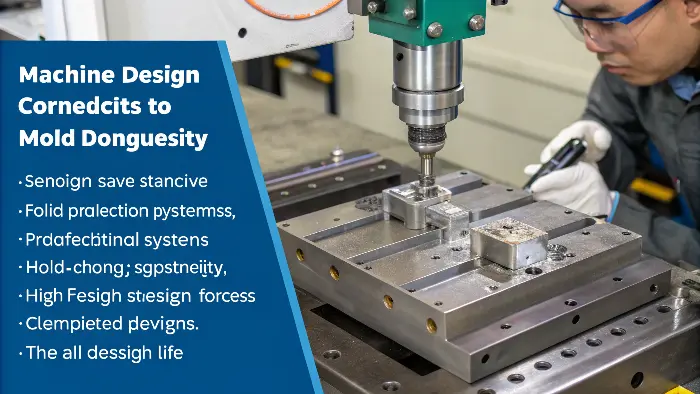
Match the machine to the part
A machine is effective when its usable operating window fits the part, mold, material, and validation plan. Start with projected area and expected cavity pressure for clamp-force sizing, then check shot size, injection unit capacity, pressure and speed range, screw or barrel configuration, and mold dimensions.
Avoid selecting a machine from nominal maximum pressure alone. The relevant question is whether the machine can fill, pack, cool, and repeat the actual part without operating at an unstable edge of its range.
- Verify clamp-force margin from projected area and pressure assumptions.
- Check shot size, injection rate, pressure, and recovery for the resin.
- Confirm mold height, tie-bar spacing, ejection, and temperature connections.
Control the process, not only the force
Pressure and speed profiles, barrel and mold temperature control, cushion, screw position, cavity pressure or other useful sensors, and alarm history help separate a real process change from a material or mold issue. The data must be tied to a part acceptance criterion.
Repeatability should be demonstrated with a short capability study on the intended mold and material. Ask how the supplier records setup parameters, change approvals, calibration status, and nonconforming product.
- Use a defined setup sheet and approved process window.
- Trend critical dimensions, weight, appearance, and cycle indicators.
- Confirm calibration and alarm response ownership.
Evaluate the complete cell
The injection unit is only one part of the cell. Material drying and conveying, mold temperature, cooling water, safety interlocks, robotics, inspection, maintenance access, and operator ergonomics affect the delivered result. Equipment capability should therefore be evaluated with the mold and quality plan, not in isolation.
For a new project, request a machine-selection rationale and a trial plan that identifies what will be measured, which settings may change, and who approves the final window.
- Review utilities and environmental controls.
- Confirm mold protection, ejection, and safe access.
- Require trial evidence on the actual part family.
Frequently Asked Questions
Is maximum injection pressure the most important specification?
No. Clamp force, usable injection rate, shot size, temperature control, repeatability, mold fit, and the validated process window matter together.
How should clamp force be estimated?
Use projected area and expected cavity pressure, then include an engineering margin based on the part, material, mold, and process evidence.
What equipment evidence should a buyer request?
Request the machine model and usable range, mold-fit checks, calibration records, trial data, process-monitoring method, and maintenance or capacity plan.
Need a part-specific review? Share the 3D model, resin or grade, annual volume, finish requirement, tolerance concerns, and target launch date through our contact page. We can then align DFM, mold design, process, inspection, and delivery assumptions.
Sources and further reading
Related Cavity Mold Services
For a connected review of design, tooling, molding, and launch requirements, see our engineering service, mold-making service, injection molding service, or contact our team.