
Medical device injection mold cost includes engineering, validation, traceability, documentation, clean production controls, materials, inspection, and regulatory risk—not only steel and machining. The applicable requirements depend on the device, market, intended use, supplier role, and customer quality agreement.


Cost areas specific to medical programs
- Risk and design controls: requirements, risk management, DFM, tolerances, material qualification, and design-transfer records.
- Tooling: steel, cavities, polish, texture, cooling, vents, ejection, maintenance access, spare parts, and contamination control.
- Validation: IQ/OQ/PQ or the customer’s equivalent, process capability, inspection methods, fixtures, test methods, and revalidation triggers.
- Quality system: document control, training, calibration, traceability, nonconformance, CAPA, change control, and supplier oversight.
- Production: clean handling, resin and lot control, packaging, environmental conditions, sampling, and record retention.
Do not confuse certification with product approval
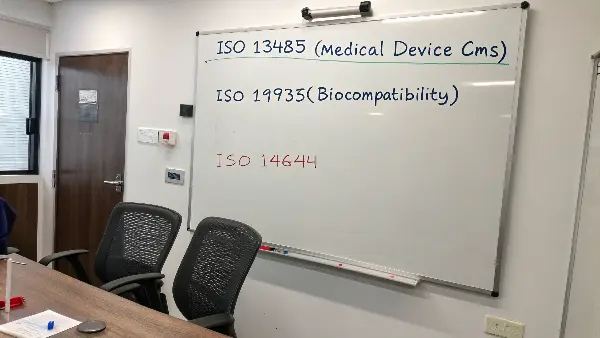
ISO 13485 or a regulatory quality system supports controlled design and production, but it does not by itself approve a specific device, mold, material, or process. Map each customer and market requirement to evidence and an accountable owner.
Build a compliant quote
Ask suppliers to separate mold construction, validation, inspection, fixtures, documentation, training, maintenance, and change-control assumptions. Confirm what is outsourced and how outsourced processes are qualified. A transparent quote makes the cost of risk visible before the design is frozen.
Plan the next step
Share your part, resin, annual volume, critical dimensions, finish, and timing with the Cavity Mold team through our contact page. We can review the manufacturing risks and recommend a practical next step.
Related Cavity Mold resources
- Injection mold making services
- Injection mold engineering services
- Plastic injection molding services
- Contact Cavity Mold
Technical references
Separate mold price from validation evidence
For a medical device program, tooling cost is only one part of the decision. The applicable evidence depends on the device, market, intended use, supplier role, customer quality agreement, and validation strategy. The FDA’s QMSR took effect on February 2, 2026 and incorporates ISO 13485:2016 by reference for applicable finished-device manufacturers; that does not automatically establish a mold supplier’s certification or a project’s approval.
| Decision point | Check | Evidence or boundary |
|---|---|---|
| Requirements and risk | Define CTQs, materials, tolerances, contamination controls, and risk ownership. | Approved requirements and risk record. |
| Tooling | Define steel, polish, cooling, ejection, spares, maintenance, and change access. | Released mold design and component records. |
| Validation | Define which installation, operational, performance, or customer activities apply. | Protocol, acceptance criteria, deviations, and approvals. |
| Traceability | Link resin lots, tool revisions, samples, measurements, and changes. | Controlled records and retention responsibility. |
Clarify the quality boundary before quoting
- Ask the device owner and quality team to define the applicable quality system and validation terminology.
- Put the inspection method, change path, and record requirements into the RFQ.
- Do not treat a commercial quote as regulatory approval.
Use the validation-ready RFQ and review tooling assumptions with engineering.