
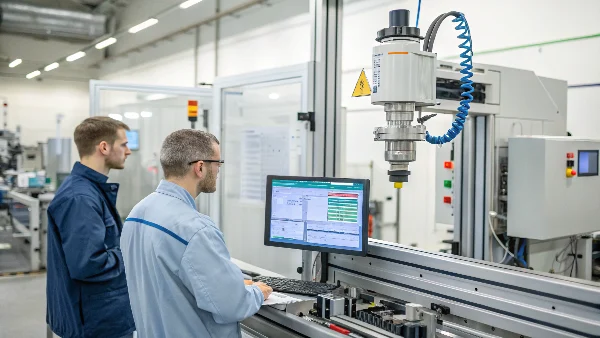
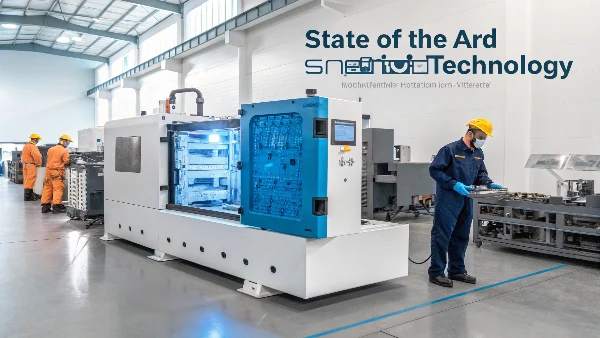
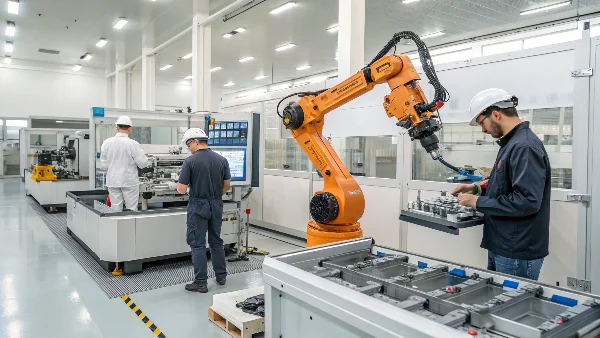
Precision injection molding equipment supports repeatability through machine control, screw and temperature stability, sensors, automation, mold interfaces, and data. New equipment is useful when it reduces a measured source of variation; a modern machine alone does not guarantee a precision part.
Equipment capabilities that matter
- Repeatable injection speed, pressure, position, screw recovery, cushion, and clamp movement.
- Stable barrel, nozzle, mold, and cooling-temperature control with appropriate measurement.
- Pressure, temperature, cavity, or machine sensors that can detect drift and support alarm limits.
- Automation for part handling, inspection, counting, packaging, and safe repeatable changeovers.
- Machine, mold, robot, quality, and production data that can be connected to a controlled record.
Match the machine to the program
Check clamp force, shot size, injection pressure and rate, mold dimensions, ejector interfaces, cooling, clean-room or environmental needs, and the actual resin. A machine specification should be evaluated with the mold, part, process window, and inspection plan.
Technology adoption checklist
Define the variation to reduce, baseline the current process, identify the required signal, set an alarm and response, verify the part and process capability, and plan calibration and maintenance. This turns equipment investment into a measurable manufacturing improvement.
Plan the next step
Share your part, resin, annual volume, critical dimensions, finish, and timing with the Cavity Mold team through our contact page. We can review the manufacturing risks and recommend a practical next step.
Related Cavity Mold resources
- Plastic injection molding services
- Injection mold engineering services
- Injection mold making services
- Contact Cavity Mold