
Struggling to make your injection molding process greener? High energy use and plastic waste make sustainability1 seem daunting, impacting both costs and your environmental footprint.
Making injection molding sustainable involves optimizing energy use, incorporating recycled/bio-based materials2, minimizing production waste through process control and regrind use, and designing parts for recyclability.
At CavityMold, we know sustainability is a major focus for manufacturers and designers like Jacky. It’s not just about meeting regulations; it’s about building a responsible business. We constantly explore ways to improve, especially through smart recycling practices3. But how exactly can we make this high-precision process kinder to the planet?
How to make injection molding more sustainable?
Feeling the pressure to reduce your environmental impact? Traditional injection molding can be energy-intensive and generate waste, challenging your sustainability goals and brand image.
Key strategies include using energy-efficient machines, optimizing processes, utilizing recycled or bio-based materials, minimizing scrap through mold design (like hot runners) and regrind reuse, and designing for end-of-life recyclability.
Diving Deeper: A Multi-Pronged Approach to Greener Molding
Achieving sustainability in injection molding isn’t about one single fix; it requires looking at the entire process. We think about this constantly at CavityMold when helping clients. Here are the main areas:
- Energy Efficiency:
- Modern Machinery: Newer all-electric or hybrid injection molding machines use significantly less energy than older hydraulic models. Regular maintenance ensures machines run optimally.
- Process Optimization: Fine-tuning parameters like melt temperature, injection speed, and cooling time can reduce cycle times and energy consumption per part. Sometimes, slightly longer cooling allows for lower melt temperatures.
- Material Selection:
- Recycled Content (PCR/PIR): Incorporating post-consumer or post-industrial recycled plastics directly reduces reliance on virgin fossil fuels. This is a cornerstone of circular economy thinking. Jacky often specifies PCR content when feasible for his designs.
- Bio-based Plastics: Using plastics derived from renewable resources can lower the carbon footprint, although their overall sustainability depends on sourcing and end-of-life management.
- Waste Reduction:
- Mold Design: Using hot runner systems eliminates the sprue and runner waste associated with cold runner molds. Precise mold design minimizes flash and defects.
- Regrind Utilization: Carefully collecting, grinding, and reusing production scrap (like runners from cold runner molds, or rejected parts) reduces virgin material consumption. Proper handling is key to maintaining quality.
- Design for Sustainability:
- Part Optimization: Designing parts to use the minimum material necessary without sacrificing function.
- Design for Disassembly/Recyclability: Using single material types where possible, avoiding incompatible labels or inserts, and designing for easy separation aids end-of-life recycling.
How is recycling a sustainable practice?
Wondering if recycling plastic really makes a difference? The complex process and occasional challenges might make you question its true environmental benefits compared to using virgin materials.
Recycling is highly sustainable because it conserves natural resources (oil, gas)4, significantly reduces energy consumption compared to virgin plastic production, diverts waste from landfills, and lowers greenhouse gas emissions5.
Diving Deeper: The Environmental Case for Recycling Plastics
Recycling plastics is a fundamental part of moving towards a circular economy and reducing the environmental burden of manufacturing. Let’s break down why it’s so beneficial:
- Resource Conservation: Virgin plastics are primarily made from finite fossil fuels like petroleum and natural gas. Recycling uses existing plastic as the raw material, reducing the need to extract and process these non-renewable resources. Every ton of plastic recycled saves resources.
- Energy Savings: Creating plastic from raw fossil fuels is an energy-intensive process. Collecting, sorting, and reprocessing existing plastic typically requires substantially less energy. Estimates vary by plastic type, but energy savings can range from 50% to over 80% compared to virgin production. This translates to lower carbon emissions.
- Landfill Reduction: Plastic waste is a major component of municipal solid waste. Landfills take up valuable space, can potentially leach harmful substances, and represent a loss of valuable material resources. Recycling diverts this plastic back into the production cycle.
-
Lower Emissions: By reducing energy consumption and the need for resource extraction and primary processing, recycling significantly cuts down on greenhouse gas emissions (like CO2) associated with plastic production.
Here’s a simplified comparison:Feature Virgin Plastic Production Recycled Plastic Production Sustainability Benefit of Recycling Raw Material Fossil Fuels (Non-renewable) Waste Plastic (Existing resource) Resource Conservation Energy Use High Significantly Lower Energy Savings Greenhouse Gases Higher Lower Climate Change Mitigation Landfill Impact Contributes to landfill volume Diverts waste from landfill Waste Reduction While challenges like contamination, collection infrastructure, and maintaining material properties exist, the overall environmental benefits of robust plastic recycling systems are undeniable. It’s a key strategy we support at CavityMold.
How to reduce waste in injection molding?
Concerned about the amount of scrap plastic your molding process generates? Sprues, runners, and rejected parts represent wasted material, lost energy, and increased costs, impacting your bottom line and sustainability efforts.
Waste reduction involves optimizing mold design (hot runners), meticulously controlling process parameters to minimize defects, effectively using regrind, implementing robust quality control, and regular mold maintenance.
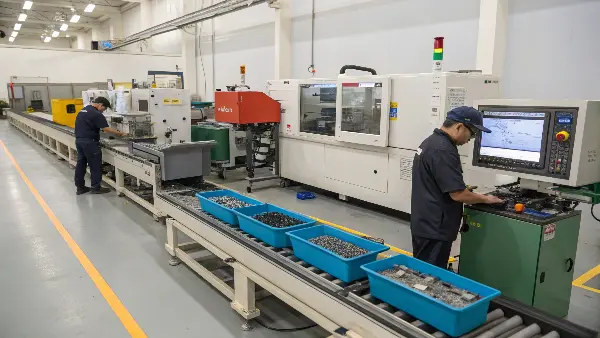
Diving Deeper: Strategies for Minimizing Molding Scrap
Reducing waste is crucial for both economic and environmental reasons in injection molding. At CavityMold, we focus on building high-precision molds that inherently minimize issues, but process control is also vital. Here’s how we approach waste reduction:
- Mold Design and Technology:
- Hot Runner Systems: These eliminate the sprue and runner entirely by keeping the plastic molten right up to the part cavity. This is the most direct way to cut runner scrap, though molds are more complex and costly upfront. Ideal for high-volume production.
- Optimized Cold Runners: If using cold runners, designing them for minimum volume while ensuring proper filling helps reduce scrap. Multi-cavity molds also improve the ratio of part weight to runner weight.
- Precision Tooling: High-quality molds with tight tolerances prevent flash (excess plastic leaking out) and ensure consistent part quality, reducing rejects.
- Process Control and Optimization:
- Parameter Tuning: Precisely controlling temperature, pressure, injection speed, and cooling time prevents defects like short shots, sink marks, warping, and burns, all of which lead to rejected parts. Using process monitoring systems helps maintain consistency.
- Material Handling: Proper drying of hygroscopic plastics (like Nylon, PC, PET) is critical to prevent defects caused by moisture.
- Regrind Utilization:
- Systematic Approach: Collecting clean scrap (runners, startup parts, QC rejects), grinding it uniformly, and blending it back with virgin material at a controlled ratio is standard practice. The allowable percentage depends on the material and application requirements. Jacky always factors allowable regrind into his material specifications.
- Quality Focus: Keeping regrind free from contamination (dirt, other plastics) is essential. Over-processing can degrade material properties, so tracking usage is important.
- Maintenance and Quality Control:
- Preventive Mold Maintenance: Regular cleaning and repair prevent defects caused by worn or damaged tooling.
- Operator Training & QC: Well-trained operators and effective quality checks catch problems early, minimizing the production of large batches of faulty parts.
What are the environmental impacts of injection molding?
Unsure about the full environmental footprint of injection molding? While efficient, the process relies on plastics and energy, raising questions about its overall impact from resource extraction to end-of-life disposal.
Major impacts include high energy consumption (machine operation, heating/cooling), reliance on fossil fuel-based raw materials, plastic waste generation (scrap, end-of-life), and potential air emissions depending on the plastic type and processing.
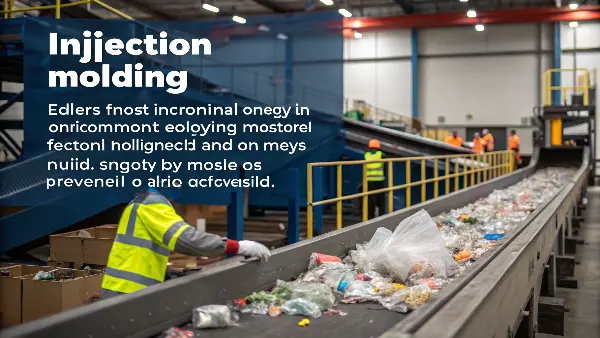
Diving Deeper: Assessing the Footprint
Injection molding is a highly efficient way to mass-produce complex plastic parts, but it’s not without environmental consequences. Understanding these helps us focus mitigation efforts:
- Energy Consumption: This is often the most significant impact.
- Machine Operation: Heating plastic to melting point, generating high clamping and injection pressures, and powering cooling systems all consume substantial electricity. Older hydraulic machines are less efficient than modern electric ones.
- Ancillary Equipment: Dryers, chillers, robots, and conveyors also add to the energy load.
- Raw Materials (Feedstock):
- Fossil Fuel Dependency: Most common thermoplastics (PE, PP, PVC, PS, PET, ABS, PC) are derived from petroleum or natural gas. Extracting and refining these resources has its own environmental footprint (habitat disruption, emissions, water use).
- Alternatives: While bio-plastics offer a renewable feedstock source, their production can involve land use, water consumption, and fertilizer use, requiring careful life-cycle assessment.
- Waste Generation:
- Production Scrap: Runners, sprues (in cold runner systems), rejected parts due to defects, and material purged during changeovers create immediate waste. Effective regrind use helps, but some loss is often inevitable.
- End-of-Life: The biggest plastic waste issue. If parts aren’t designed for durability or recyclability, or if collection systems are inadequate, they end up in landfills or polluting the environment.
- Emissions and Discharges:
- Air Emissions: Heating plastics can release Volatile Organic Compounds (VOCs) and other fumes, though modern facilities usually have ventilation and potentially filtration systems. The specific emissions depend heavily on the type of plastic and processing temperatures.
- Water Usage: Water is primarily used for cooling molds and hydraulic systems. Closed-loop cooling systems minimize water consumption.
While these impacts exist, it’s also true that injection-molded plastics create lightweight, durable parts that can replace heavier materials (like metal) in applications like vehicles, leading to energy savings during the product’s use phase. The key is continuous improvement through energy efficiency, sustainable material choices, waste reduction, and designing for a circular economy.Conclusion
Improving injection molding sustainability involves energy efficiency, smart material choices like recycled content, minimizing waste through optimized processes and regrind use, and designing for the product’s entire lifecycle.
-
Exploring this resource will provide insights into effective sustainability strategies that can enhance your manufacturing processes. ↩
-
This link will help you understand the benefits and applications of using recycled and bio-based materials in your production. ↩
-
Discover innovative recycling practices that can significantly reduce waste and improve sustainability in your manufacturing operations. ↩
-
Explore this link to understand how recycling conserves resources and reduces energy consumption, making it a sustainable choice. ↩
-
Discover the impact of recycling on greenhouse gas emissions and why it matters for our planet’s health. ↩