
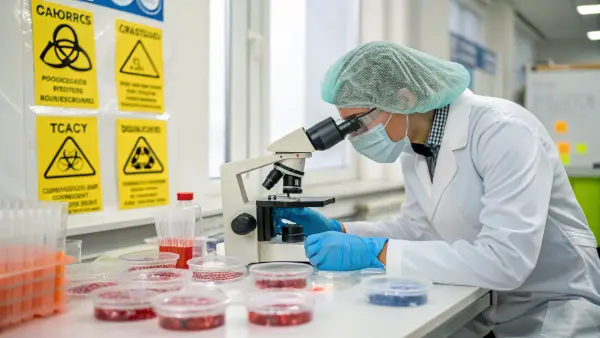
Making safe plastic parts is hard. Bad chemicals can sneak into food and hurt people. We need to pick the right extras for our plastics to keep everyone safe. Here is how we do it right.
Manufacturers need to know that plastic additives change how plastic works, making it softer or stronger. But some additives, like BPA, can leak out and cause health risks. To keep people safe, you must test your plastics, follow local laws, and pick safe chemicals for food and medical parts.
You might think all plastic is the same. But the hidden things inside plastic matter a lot. If you do not know what goes into your plastic, you might face big problems later. Let us look closer at these hidden parts so you can make better choices for your next project.
What are plastic additives and how do they affect the properties of plastics?
Plain plastic is often too weak or too stiff. If you do not fix it, your parts will break. Additives solve this by making the plastic flexible, strong, or safe from the sun.
Plastic additives are special chemicals mixed into raw plastic. They change the plastic to make it better. For example, they can make it soft, stop it from catching fire, or protect it from heat. They help the plastic do its job well in things like toys, cars, and food boxes.
The Good and Bad of Additives
In my 10 years of making molds and plastic parts, I have seen many types of plastic. Additives are very useful. They can make plastic last a long time. But they can also be bad. Some common plastic additives, like phthalates and bisphenol A (BPA), can leak into food. This can cause health problems for people.
We also see that plastic additives can break down over time. This happens a lot when the plastic gets too hot or sits in the sun. When the additives break down, the plastic is no longer safe. The chemicals can come out. We call this migration. It is a big safety worry for anyone making consumer goods.
New Changes in Chemicals
Today, science is giving us new choices. We have new non-toxic additives made from plants. These bio-based additives help us make safe plastics. They are better for the earth. But we also have nano-based additives. These are very small particles. They make the plastic very strong. But we do not know much about them yet. They might bring unknown health risks because we have not studied them for a long time.
| Additive Type | What It Does | Safety Worry |
|---|---|---|
| BPA | Makes plastic hard | Can leak into food and drinks |
| Phthalates | Makes plastic soft | Can cause health issues |
| UV Stabilizers | Protects from sun | Can break down over time |
| Plant-based | Makes plastic safe | Very safe, but costs more |
| Nano-additives | Makes plastic strong | Unknown long-term health risks |
I always tell my team to pick the safest option. We must know exactly what we put into our plastic. This keeps our buyers happy and safe.
What are the safety precautions in the plastic industry?
Working with plastic chemicals can be dangerous. If workers breathe in dust or touch bad liquids, they can get sick. We must use strong safety rules to protect our teams and our buyers.
Safety precautions in the plastic industry include testing for chemical leaks, training workers, and using safety gear. Factories must follow strict rules to limit harmful chemicals. You should always check your materials before you start making things. This keeps both your workers and the people who buy your products safe.
Following the Rules
You cannot just mix chemicals and hope for the best. The law is very strict now. Rules in many places tell makers to stop using bad additives in food-grade or medical plastics. If you break these rules, you can lose your business. I always make sure our factory at CavityMold follows every single rule.
Testing for additive migration is a big part of this. Migration means the chemical moves from the plastic into something else, like water or food. We must test the plastic to make sure it holds the chemicals tight. If the chemicals leak, the plastic fails the test. You must test the plastic exactly how people will use it.
Keeping Workers and Buyers Safe
Worker safety is just as important. Many factories do not teach their workers well. Education on safe handling of plastics with additives is often missing. Workers need to know what they are touching. They need masks and gloves.
Also, people who buy our products want to know what is inside them. There is a big demand for honesty from buyers. They want to know the plastic is safe.
| Safety Step | Why We Do It | How Often |
|---|---|---|
| Rule Check | To follow the law | Before every new project |
| Migration Test | To stop chemicals from leaking | Every time we change materials |
| Worker Training | To keep our team healthy | Every month |
| Buyer Updates | To build trust | On every product label |
By doing these things, we make sure our factory runs well. We keep everyone safe from bad chemicals.
Why is pyrolysis not widely used?
Getting rid of old plastic is a huge mess. Burning it sounds easy, but it makes bad smoke and costs a lot of money. We need better ways to handle waste without hurting the air.
Pyrolysis is a way to melt plastic waste into oil using high heat and no oxygen. It is not widely used because it costs a lot of money and takes too much energy. Also, mixed plastic waste with many different additives makes the process hard to control and often unsafe.
The Problem with Mixed Waste
When we try to recycle plastic, we face a big wall. Recycled plastics can have many different types and amounts of additives inside them. When you collect old plastic bottles and toys, you mix all these unknown chemicals together. This affects the safety of the new recycled product. You do not know what is in it.
Pyrolysis tries to fix this by melting the plastic down to basic oil. But all those mixed additives make this very hard. Some chemicals turn into bad gases when they get very hot. The machines need to be very strong and clean to handle this. That costs too much money for most companies to do.
Biodegradable Plastics Are Not Perfect
People think biodegradable plastics will solve the waste problem. But this is not always true. Biodegradable plastics may still contain synthetic additives. These additives impact nature and human safety. Even if the plastic base melts away in the dirt, the bad chemicals stay behind.
| Recycling Method | Good Points | Bad Points |
|---|---|---|
| Pyrolysis | Turns plastic to oil | Costs too much money |
| Normal Recycling | Saves raw materials | Additives get mixed up |
| Biodegradable | Melts in the dirt | Leaves bad additives behind |
| Landfill | Very cheap to do | Fills up the earth |
I always look at the end of a product’s life. We must design plastics that are easy and safe to recycle. If we put bad additives in now, we ruin the recycling process later.
What country wastes the most plastic?
Plastic trash is taking over our world. If we keep throwing it away, our land and oceans will choke. We must look at who makes the most trash to fix this big global problem.
The United States wastes the most plastic per person in the world. People there use many single-use plastic items like bags and bottles. Because recycling systems are not perfect, a lot of this plastic ends up in landfills. We must make better choices to reduce this huge amount of waste.
A Global Challenge
I work with buyers from all over the world. I see how much plastic we make. The amount of waste is very sad. The United States throws away millions of tons of plastic every year. A lot of this plastic has additives in it. When it sits in the ground, the sun and heat make it break down. The chemicals leak into the water and dirt.
Other big countries also waste a lot of plastic. But per person, the United States is at the top. This happens because people like things to be quick and easy. They use a plastic fork once and throw it away.
How Manufacturers Can Help
As a project manager, I know we have the power to change this. We can choose to make things that last longer. We can stop using additives that stop plastic from being recycled. If we keep a clear list of what chemicals we use, recycling plants can do their jobs better.
| Country | Plastic Waste Habit | Impact on Earth |
|---|---|---|
| United States | High single-use items | Big landfill growth |
| European Nations | Better recycling rules | Lower waste per person |
| Australia | Growing recycling | Moderate impact |
| Others | Varies by laws | Varies a lot |
We must treat additives as real parts of the product life cycle. If we plan for the end of the product’s life, we can cut down on global waste. It is our job to make plastic safe from start to finish.
Conclusion
Additives make plastic useful but can add big risks. We must pick safe chemicals and test them well. We need to follow laws and train our workers. By doing this, we keep people safe and help reduce bad plastic waste in our world.