
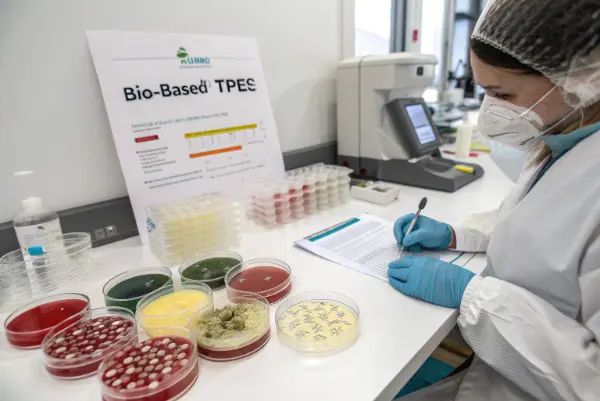
Are you struggling to find green materials for your molds? Traditional plastics hurt the earth and face strict new rules. It is hard to keep parts cheap and green. Do not worry. Bio-based TPEs offer a clean fix to keep your mold projects on track.
Bio-based TPE alternatives are green plastics made from plants like vegetable oils and starches instead of oil. They are a new fix for making parts. These materials work just like normal TPEs. They help you lower carbon footprints while keeping good grip, feel, and strength. Suppliers now make them ready to use in normal injection molding machines.
We see a big shift in our mold projects right now. Many clients want greener parts but they still want the same quality. If you want to know how bio-based TPEs can help your work, stop worrying about old plastics and keep reading below.
What Are The Current Technologies For Bio-Based TPEs?
Do you feel lost when choosing new green materials? Old plastics are cheap but bad for nature. Finding good new options is a big headache. Let us look at the new bio-based TPE tech that actually works today.
Current bio-based TPE technologies use renewable feedstocks to make flexible plastics. Many commercial brands now sell bio-based TPEs. These compounds can have more than 60% bio-content. They have a hardness from 30 to 85 Shore A. You can use them in normal injection molding and extrusion without changing your old machines.
I have worked as a project manager for ten years. I test many new plastics. In the past, green plastics were weak. They broke fast in my molds at CavityMold. But today, things are much better. Commercial suppliers now offer great bio-based TPE compounds. These materials keep good properties like touch, grip, and adhesion. They also have no bad smell. For example, KRAIBURG TPE says their bio-materials cut the product carbon footprint by up to 50%. This is a huge win for us. We can make green parts and keep the same high quality.
New Kinds of TPV
Another new way is lignin-based TPV. TPV stands for thermoplastic vulcanizate. It is a very tough kind of TPE. A company called Lignin Industries makes a material called Renol® TPV. It uses 70% bio-based material. This material comes from secondary biomass lignin. This lignin comes from wood waste. It works great in standard machines. It also cuts CO2 emissions by about 50%.
Technology Comparison Table
I want to show you how these new materials compare. Here is a simple table.
| Technology Type | Source Material | Best Feature | Machine Changes Needed |
|---|---|---|---|
| Bio-TPE Blends | Plant oils, starch | High bio-content | None |
| Lignin-based TPV | Wood waste | High toughness | None |
| Standard TPE | Crude oil | Cheap price | None |
As you can see, you do not need new machines. You can just drop the new bio-based TPE into your old mold setup. This saves time and money. I use these in my consumer electronics parts now. My clients love the green story. They also love that the parts look and feel exactly like before. The technology is real and ready to use.
What Feedstocks Do We Use For Bio-Based TPEs?
Are you worried about where bio-plastics come from? Some people think green plastics take food away from hungry people. This is a real worry for smart brands. Let us see what safe feedstocks we use today.
Bio-based TPEs use renewable feedstocks like starches, vegetable oils, sugars, cellulose, and lignin. Suppliers focus on non-food crops and waste products. They want to avoid fighting with the global food supply. They use agricultural by-products and food-production waste to make strong, green plastics for molds.
When I first heard about bio-plastics, I had a big question. I thought we were using good food to make phone cases. That felt wrong to me. Many people feel this way. But the science is very smart now. We do not use good food to make these plastics.
Waste Becomes Treasure
The main renewable feedstocks are things we throw away. We use agricultural by-products. For example, when farmers harvest corn, they leave stalks. We can turn those stalks into plastics. We also use sugars, cellulose, plant oils, and lignin. Lignin is the hard part of wood. Paper mills throw away a lot of lignin. Now, we use it to make TPEs. This means we turn waste into treasure.
The Shift in Sourcing
Suppliers are very clear about this. They want to avoid food-crop competition. If we use food to make plastic, food prices go up. That hurts everyone. So, the rule is to use non-food inputs.
| Feedstock Type | Where It Comes From | Impact on Food Supply |
|---|---|---|
| Lignin | Paper mill waste | Zero |
| Cellulose | Plant stems, leaves | Zero |
| Plant Oils | Non-edible seeds | Very Low |
| Starches | Crop residues | Very Low |
I always ask my suppliers about their feedstocks. At CavityMold, we care about true green solutions. We do not want fake green stories. Using waste materials is the right way. It helps farmers make extra money from waste. It gives us great plastic. It also keeps food on the table for people. This is a win for everyone. We get the good material we need for our molds without hurting the world.
What Are The Main Challenges With Bio-Based TPEs?
Do you feel scared to try new materials in big projects? Sometimes new things fail and cost a lot of money. Risks can ruin a good project manager. Let us look at the main hurdles for bio-based TPEs.
The main challenges in bio-based TPEs are high costs and limited production scale. It is hard to prove long-term stability and biodegradability in tough uses. Companies also need a steady supply of feedstocks. They must make sure the green materials run well on old machines without causing new problems.
I like bio-based TPEs a lot. But I will not lie to you. They are not perfect yet. As a project manager, I see problems every day. My job is to fix them. We face a few big walls with these new green materials.
The Problem of Price
The biggest wall is cost competitiveness. Right now, oil-based plastic is very cheap. We have made it for a hundred years. The factories are huge. Bio-based TPE is new. The factories are small. So, the green plastic costs more. When my clients ask for a quote, they sometimes get a shock. I have to explain why it costs more. Not every client wants to pay extra for a green product.
Scale and Supply Rules
The second wall is scalability of production. Can we get enough of this material? Sometimes a supplier runs out of green TPE. This stops my mold production. I hate when production stops. We need a steady supply of feedstocks. We also need long-term stability. If I make a part for a car, it must last ten years. Can a plant-based plastic last ten years in the hot sun? We are still testing this.
| Challenge Area | What It Means for Molds | How We Fix It |
|---|---|---|
| High Cost | Parts cost more to make | Buy in bulk, wait for market scale |
| Scalability | Material delays | Use big, trusted suppliers |
| Long-term Stability | Parts might break over time | Do lots of lab tests first |
We must test these materials very well. We also try hybrid material approaches. This means we mix bio-based and traditional polymers. It lowers the cost and keeps the strength high. This is a smart trick we use at CavityMold today.
Where Is The Future Development Of Bio-Based TPEs Heading?
Are you worried your parts will become outdated soon? Rules change fast, and old plastics might get banned. You need to stay ahead of the curve. Let us explore where bio-based TPE technology is going next.
The future of bio-based TPEs focuses on better durability, higher heat resistance, and fully circular systems. Researchers want to make them mechanically and chemically recyclable. New biotechnology will make production faster and cheaper. Partnerships between universities and big factories are speeding up these new green plastic innovations.
I always look to the future. If I do not, my molds will fail tomorrow’s tests. The future of bio-based TPEs is very exciting. We are moving toward fully circular TPE systems. What does circular mean? It means we use the plastic, melt it, and use it again and again. We do not throw it in the ocean.
Chemical Recycling Tech
Future work wants to make chemically recyclable architectures. This is a big word. It just means we can break the plastic down to its basic parts. Then we build it up again like new. Research shows that closed-loop chemical recyclability can be built right into the elastomer design. This will cut our need for virgin feedstocks over time.
New Foams and Methods
Another big thing is scalable manufacturing of new forms. EU projects are turning bio-based thermoplastics into smart foams. Foaming means we put tiny air bubbles in the plastic. This makes the part much lighter. But it stays strong. This uses less material.
| Future Innovation | Why It Is Important | My View |
|---|---|---|
| Chemical Recycling | Endless reuse of plastic | Great for zero-waste goals |
| Better Thermal Stability | Parts can survive high heat | Needed for fast chargers |
| Smart Foaming | Lighter parts, less material | Saves money and weight |
To make this happen fast, we need help. Partnerships between academia and industry are crucial. Universities do the hard science. Companies like CavityMold build the real molds. Together, we can make more efficient production processes. Advances in biotechnology are amazing. Soon, bacteria might help us make perfect TPEs faster than any chemical plant.
Why Do Automotive And Consumer Goods Industries Need Bio-Based TPEs?
Do your car or gadget clients demand better green metrics? Making them happy is hard when plastic choices are limited. Losing big clients over carbon rules is scary. See why big industries need these bio-based TPEs right now.
The automotive and consumer goods industries are the primary drivers for bio-based TPEs. These companies face strict laws and want a reduced carbon footprint. They need materials that are light, strong, and green. Bio-based TPEs give them a sustainable solution to meet new climate rules without losing product quality.
I work mostly with consumer electronics. But I also talk to car part makers. These two groups are pushing the bio-TPE market hard. They are the primary drivers for advancing bio-based TPE technologies. Why? Because they have to be. Governments make strict laws about carbon now. If a car company uses too much dirty plastic, they pay big fines.
The Carbon Footprint Push
Bio-based TPEs are perceived as a great sustainable solution. They have a greatly reduced carbon footprint. A car has many TPE parts. Think about the soft grips on the doors, the mats, and the seals. If a car company changes all these to bio-based TPE, they save a lot of carbon. The same goes for consumer goods. The soft case on your electric toothbrush is likely TPE.
How Industries Benefit
My clients want to show a green leaf on their boxes. They want to tell buyers they care about the earth. But the parts still must feel soft and last long.
| Industry | Main Use for TPE | Why They Want Bio-Based |
|---|---|---|
| Automotive | Door seals, grips, mats | Reduce car weight, meet green laws |
| Consumer Goods | Phone cases, tool grips | Marketing to green buyers |
| Electronics | Cable covers, plugs | Safe, non-toxic touch parts |
I recently made a mold for a smart home device. We used a bio-content blend. The client was so happy. The part looked perfect. It popped out of the mold easily. The client used the green story to sell more devices. The automotive and consumer goods sectors will keep paying for this research. They will pull the whole plastic industry forward. I am proud to be a part of this green shift.
Conclusion
Bio-based TPEs offer a smart, green path for mold making today. They use renewable waste, work in standard machines, and cut carbon fast. While costs are high now, new recycling and biotech will make them perfect. These materials will soon lead the auto and gadget markets everywhere.