
China vs. US Injection Mold Sourcing: Cost, Quality, and Risk
Answer in one sentence: Location-based mold sourcing should be evaluated through total landed cost, engineering communication, inspection evidence, tooling ownership, lead time, logistics, compliance, and contingency – not headline price.
How to use this guide: A sourcing decision is a risk-and-evidence comparison across the tool lifecycle, not a country stereotype or a simple quote comparison. Use the controls and evidence below to compare the actual part, resin, mold, machine, and production requirement.



Build the comparison around the tool lifecycle
Compare concept review, DFM, tool design, machining, tryout, measurement, shipment, production support, engineering changes, maintenance, and end-of-life ownership. A low initial quote may not include the same assumptions about steel, trials, inspection, packaging, or revisions.
- Normalize the quotation scope before comparing price.
- List every deliverable: drawings, steel records, inspection report, sample parts, process sheet, spare parts, and source files.
- Separate one-time tooling cost from recurring production and service cost.
Cost categories that change the result
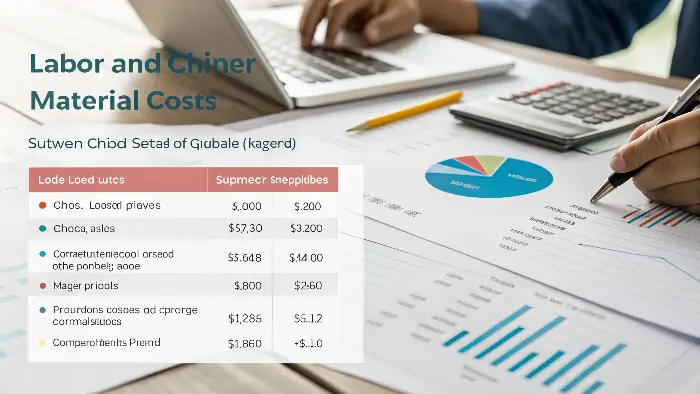
Total landed cost can include engineering communication, travel or remote trial support, freight, duties, insurance, packaging, correction loops, payment terms, local service, and downtime exposure. Use realistic volumes and the expected number of engineering changes.
- Model delivery to the actual plant, not only ex-works or ex-supplier price.
- Include sample approval time and the cost of a delayed launch.
- Price the risk of a design change after steel cut and the availability of replacement components.
- Record currency, tax, shipping, and incoterm assumptions with the quote date.
How to verify quality without relying on location
Quality evidence is more useful than a location label. Review the toolmaker's design review process, machine and inspection capability, steel and heat-treatment records, tryout method, dimensional report, correction history, and change-control discipline.
- Define critical-to-function dimensions and acceptance criteria before cutting steel.
- Request traceable measurement data linked to the drawing revision.
- Check sample parts under controlled molding conditions and document the process settings.
- Confirm who owns the tool and who authorizes changes after acceptance.
A decision matrix for a defensible choice
Score suppliers against technical fit, communication, evidence, total landed cost, lead time, ownership, service, compliance, and contingency. Weight the factors according to the product and launch risk. A local supplier may reduce response time; an overseas supplier may offer other advantages, but the decision should be proven by the specific scope.
- Use a written escalation path for defects and schedule risk.
- Define the handoff between toolmaker, molder, and product owner.
- Keep a backup plan for critical molds and wear components.
Frequently Asked Questions
Are molds from China always cheaper than molds from the US?
Not necessarily after engineering, inspection, freight, duties, changes, service, and schedule risk are included. Compare equivalent scope and total landed cost rather than the first line on a quotation.
How can a buyer verify an overseas moldmaker's quality?
Use a controlled DFM review, clear drawings and acceptance criteria, traceable steel and inspection records, documented trials, measured samples, and an agreed correction and ownership process.
What should a mold sourcing contract define?
Define scope, steel and component requirements, milestones, trial and sample acceptance, inspection evidence, ownership, confidentiality, change authorization, warranty, spare parts, delivery terms, and remedies for missed requirements.
When is local mold support especially valuable?
Local support can be valuable when launch timing, frequent engineering changes, complex validation, or rapid troubleshooting outweighs the added quotation cost. The value should be estimated against the program's actual risk.
Related Cavity Mold Services
For design review, mold engineering, tooling, and production planning, see our mold engineering service, mold-making service, and injection molding service.
Need a part-specific recommendation? Contact Cavity Mold with the part drawing, resin, annual volume, tolerances, and target application.