

Plastic injection mold cost is driven by the part, the required production performance, and the amount of precision and moving steel needed to make and maintain the tool. A quote is only meaningful when its assumptions are clear: cavities, steel, actions, finish, tolerances, sampling, corrections, ownership, and expected tool life.
There is no reliable universal price range for an injection mold. A small single-cavity prototype tool and a multi-cavity production tool for a textured, glass-filled enclosure are different engineering projects. The same cavity count can also produce very different costs when the parts differ in size, tolerance, polish, cooling, and undercuts.
The main injection mold cost drivers
| Driver | Why it changes cost | What to specify in an RFQ |
|---|---|---|
| Part geometry | Deep walls, thin sections, tight radii, threads, and cosmetic surfaces increase design and machining effort | 3D model, 2D drawing, critical tolerances, and cosmetic zones |
| Cavity count | More cavities add steel, balance work, inserts, gates, cooling, and inspection | Target volume, machine availability, and acceptable cavity balance |
| Actions and mechanisms | Slides, lifters, unscrewing, hydraulic cores, and hot-runner systems add components and maintenance | Undercut map, cycle target, and mechanism preference |
| Steel and treatment | Wear, corrosion, polish, and volume may require upgraded steel or hardening | Material standard, hardness, certificate, and expected service |
| Surface finish | Polish, texture, etch, and optical requirements change machining and inspection | Finish standard, texture reference, and master samples |
| Validation and support | T1 trials, dimensional reports, corrections, spares, and maintenance affect total value | Sampling plan, correction rounds, documents, and ownership terms |
Tool price versus total cost
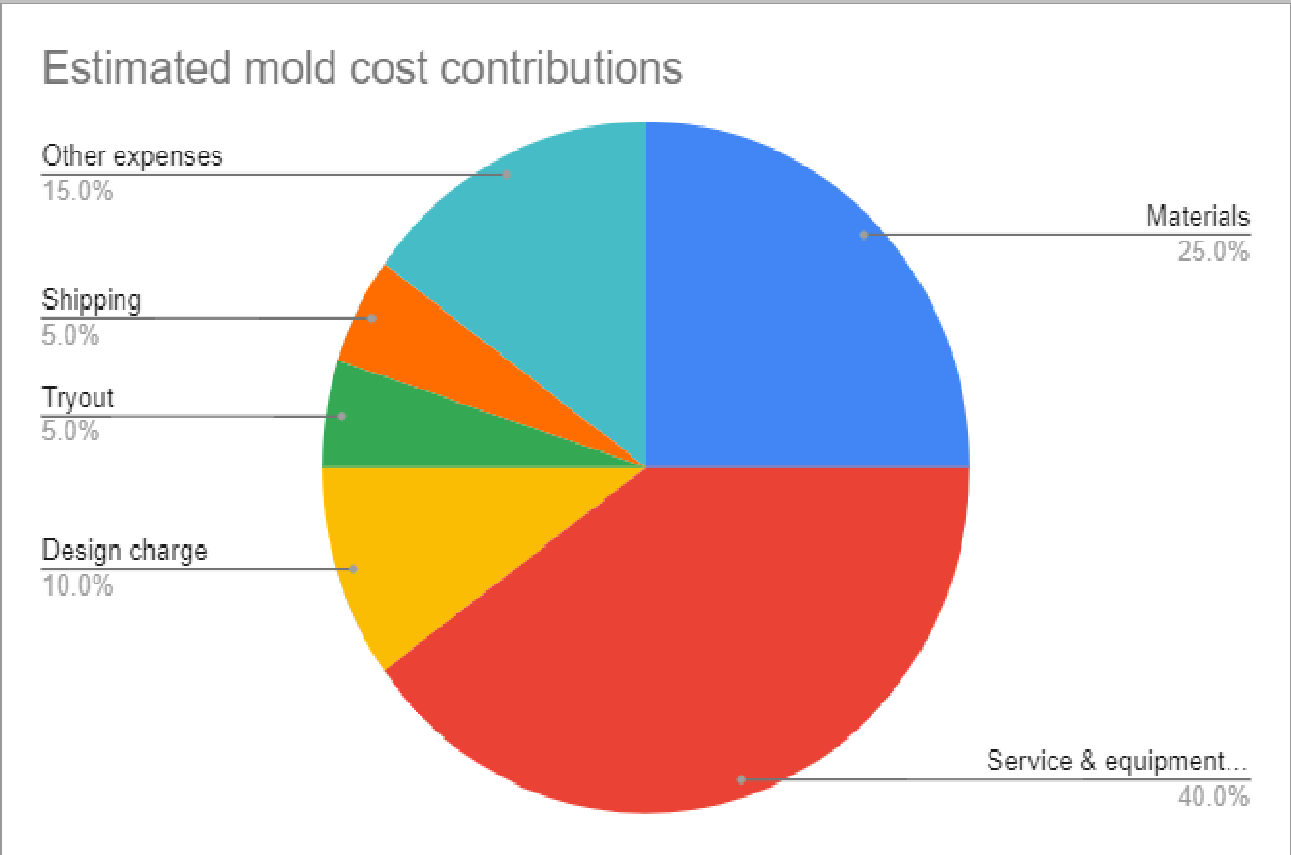
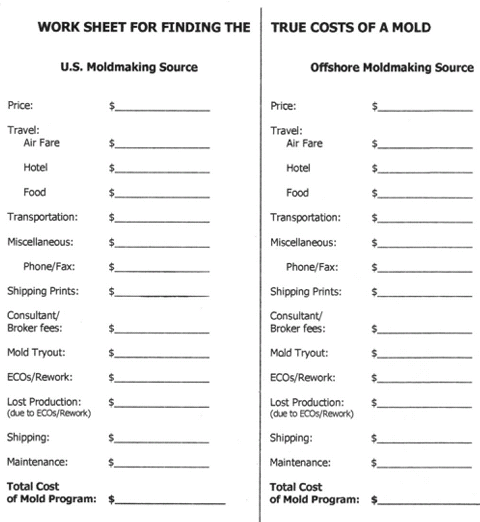
The lowest tool quote may not be the lowest project cost. Compare the tool price with cycle time, scrap risk, maintenance access, spare inserts, expected downtime, part quality, and the cost of later modification. A cheaper tool with poor cooling or difficult slides can add cost on every production run.
Also separate one-time engineering from recurring production costs. DFM, moldflow analysis, steel, machining, polishing, texture, T1 sampling, shipping, and documentation should be visible as separate assumptions. This lets a buyer see what changes when the part, volume, or finish changes.
How cavity count changes the decision
More cavities can reduce part cost at the right volume, but they require balanced filling, balanced cooling, consistent ejection, and reliable cavity-to-cavity measurement. A single-cavity tool may be the right choice for market testing or variable demand. A family mold may lower tooling count but introduce balance and quality risks when parts have different volumes or fill requirements.
Choose the cavity count from the forecast, machine plan, takt time, quality requirements, and the cost of an additional tool—not from a generic “more cavities is better” rule.
How to compare mold quotes
- Send every supplier the same released model, drawing, resin grade, annual volume, and quality requirements.
- Ask for a line-item scope covering design, steel, components, machining, texture, sampling, reports, and freight.
- Confirm who owns the tool, where it is stored, who may move it, and how data and spare parts are transferred.
- Define T1 acceptance, correction responsibility, dimensional reporting, and the process for engineering changes.
- Compare cycle time, maintenance, and risk alongside the initial price.
Information needed for a useful estimate
Provide the part model and drawing, resin and color, annual volume, target machine, cavity preference, surface finish, critical dimensions, expected tool life, region of production, and delivery target. If the part is not frozen, say so; a concept-stage quote should not be mistaken for a final tooling price.
Use the [engineering review](/engineering/) before requesting a final tool quote, then work with the [mold-making team](/mold-making/) to turn the assumptions into a build scope. [Contact Cavity Mold](/contact/) for a quote based on complete part and production information.
Technical references
The Xometry injection molding design guide explains how design, materials, and finish affect manufacturability. The US CPSC manufacturing cost analysis illustrates how geometry, tooling features, cavities, and cycle time can be treated as separate cost inputs.
Compare the scope behind the number
A mold quote is useful when suppliers price the same revision, resin, cavity plan, surface, trial scope, inspection, and ownership assumption. A low headline may exclude an insert, texture, sample shipment, correction loop, spare component, or documentation another supplier includes.
| Cost bucket | Questions to normalize |
|---|---|
| Architecture | Cavity count, parting, slides, lifters, inserts, runner, hot components, cooling. |
| Steel and finish | Material, treatment, texture or polish, corrosion exposure, repair allowance. |
| Validation | Trial stages, resin and color, samples, dimensional report, correction policy. |
| Support | CAD handover, spares, maintenance, storage, freight, future changes. |
Estimate production economics separately: cycle, scrap, cavity use, maintenance, inspection, packaging, and engineering changes may dominate lifetime cost. Use the engineering review for early scope, then send the package through the RFQ page for a scoped quotation.