
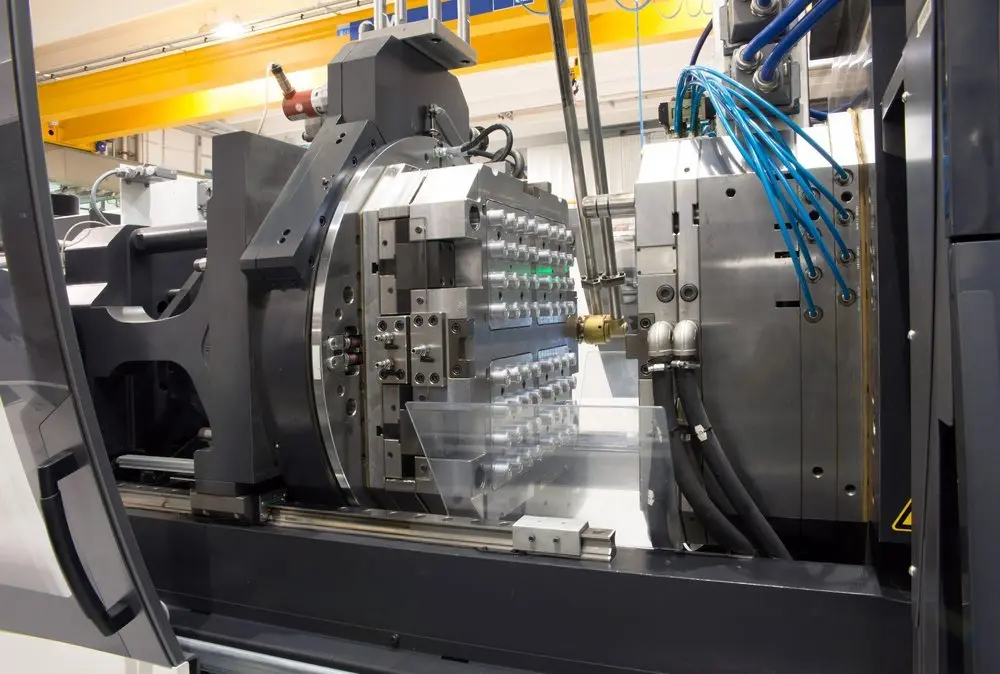
Low-volume injection molding is useful when a team needs functional molded parts before committing to a full production tool or a large quantity. It sits between one-off prototypes and long-run production: the tool, material, cavity count, process validation, and inspection plan are selected for the expected volume and decision risk. The best choice depends on part geometry, resin, quantity, surface requirements, timing, and how much design change is still expected.
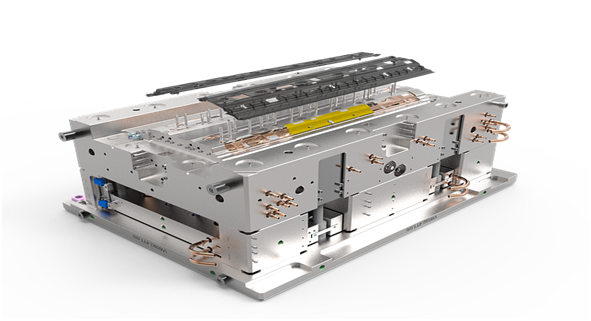
What is low-volume injection molding?
Low-volume molding uses a tool and process suited to a limited or transitional production run. The tool may use aluminum, pre-hardened steel, inserts, or another approved construction, but the material and design must still produce parts that represent the intended application. “Low volume” is not a universal number; it is a project decision based on tool investment, expected demand, and the cost of being wrong.
How does it compare with 3D printing and production tooling?
| Option | Best fit | Main trade-off |
|---|---|---|
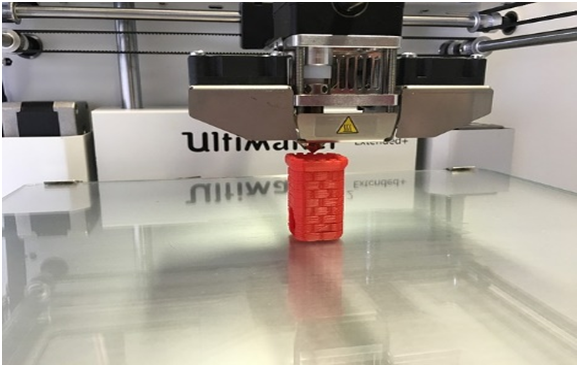
| 3D-printed prototype | Early form, fit, or concept checks | Part anisotropy, surface, material, and process may not represent injection molding |
| Low-volume injection tool | Functional molded samples, market learning, bridge production, or a design with moderate confidence | Requires tooling investment and DFM before parts can be made |
| Production mold | Stable design and sustained demand | Higher upfront commitment, but designed for maintenance and repeatability |
A 3D-printed mold is not automatically a production substitute. Pressure, temperature, cooling, ejection, resin compatibility, and tool wear must be proven for the specific part. If the part is used for a real design decision, document which properties are representative and which are not.
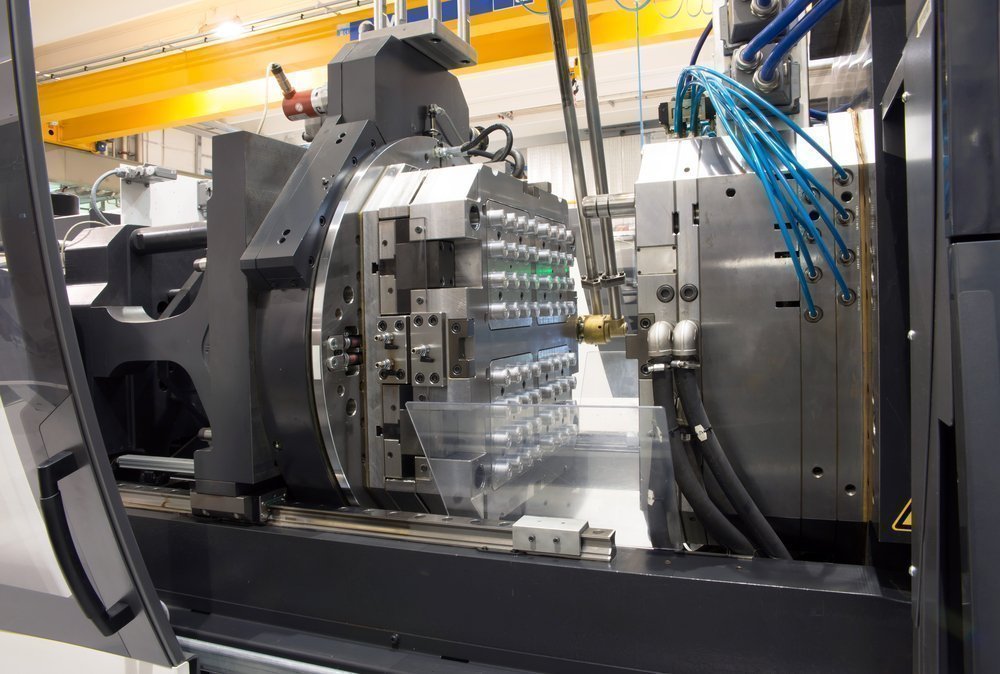
What affects low-volume tooling cost and timing?
- Part size, projected area, wall thickness, flow length, and number of cavities.
- Resin grade, color, filler, mold temperature, wear, corrosion, and drying requirements.
- Parting-line complexity, slides, lifters, inserts, texture, threads, and ejection.
- Required dimensions, surface finish, cosmetic areas, inspection, and sample quantity.
- Whether the tool must later be modified, transferred, or upgraded for a longer run.
Do not quote a low-volume tool from part volume alone. A small part with difficult undercuts or tight tolerances can require more engineering than a larger simple part. A clear DFM review helps separate geometry risk from the cost of the tool material.
When should you choose low-volume injection molding?
- The part geometry and resin are close enough to the intended product that molded behavior matters.
- You need multiple functional samples or a short bridge run.
- The tooling investment is justified by the decision or quantity expected before production.
- The part design is stable enough that changes can be controlled before cutting steel.
- You can define inspection and acceptance criteria for the sample parts.
What can go wrong?
Common mistakes include treating a prototype tool as if it has production capacity, using an extrusion or film grade instead of the intended injection grade, ignoring cooling and ejection, omitting gate and cosmetic requirements, and failing to define who owns the tool and design data. Low-volume should reduce commitment, not reduce engineering discipline.
What should you send before requesting a quote?
- STEP or native CAD and the latest 2D drawing.
- Resin manufacturer, exact grade, color, filler, and target application.
- Prototype quantity, bridge quantity, expected annual volume, and future demand assumptions.
- Critical dimensions, tolerances, cosmetic zones, texture, inserts, and assembly requirements.
- Target timing and whether you need tooling only, molded parts, or both.
Cavity Mold can connect engineering and DFM with tooling, CNC and EDM, and injection molding. Send the project requirements for a practical low-volume tooling discussion.